India's wait for big-ticket nuclear jackpot may end
Live Events as a Reliable and Trusted News Source Addas a Reliable and Trusted News Source Add Now! (You can now subscribe to our (You
Live Events as a Reliable and Trusted News Source Addas a Reliable and Trusted News Source Add Now! (You can now subscribe to our (You can now subscribe to our Economic Times WhatsApp channel New Delhi: A uranium supply pact will be the big-ticket item from PM Narendra Modi’s Australia trip this week amid New Delhi’s efforts to expand nuclear power generation.Australia, which holds a third of the world’s known uranium reserves, entered into a framework pact with India more than a decade ago.
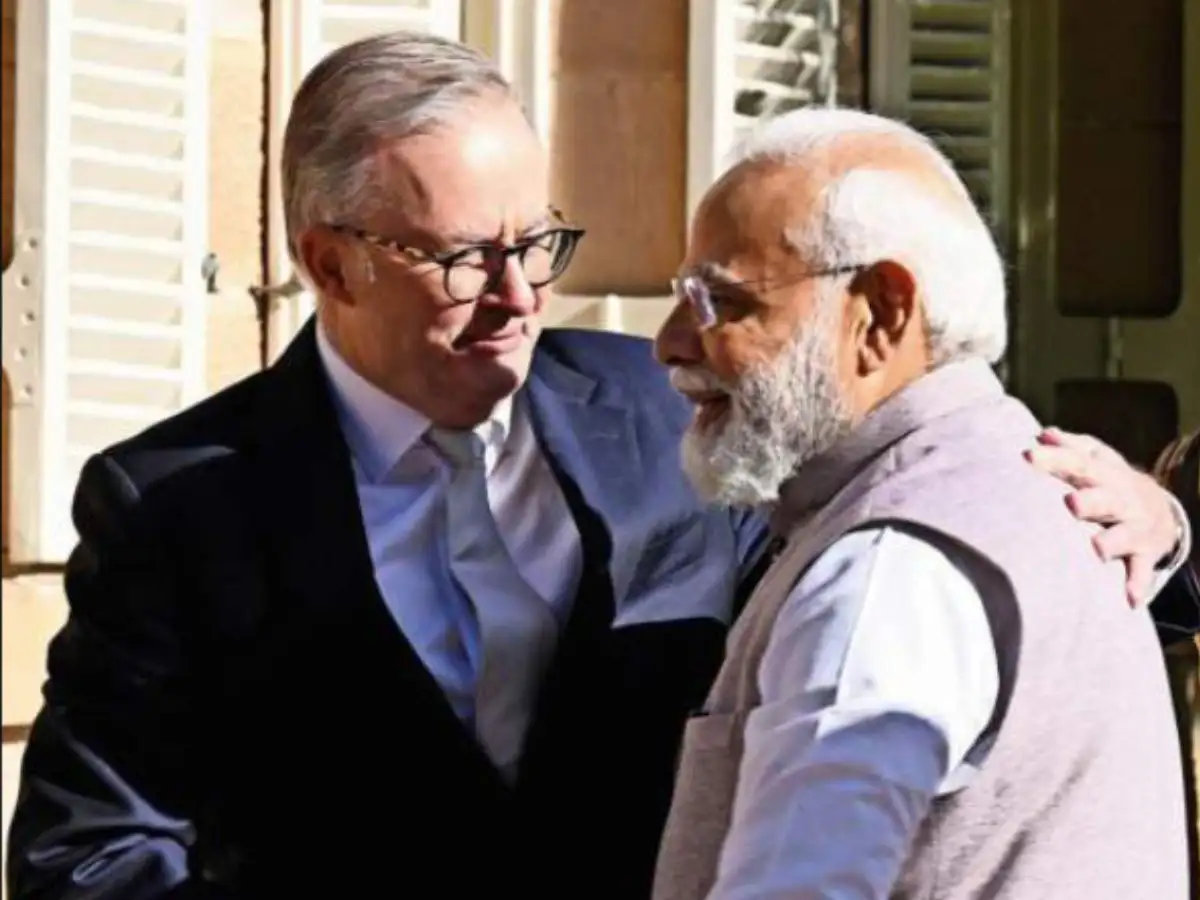
Modi’s visit to Melbourne could result in a deal enabling Australia to supply uranium to India, said people familiar with the developments.India and Australia are also expected to conclude or firm up pacts covering critical minerals, cybersecurity, emerging technologies, clean energy, and supply-chain resilience following the annual Summit between Modi and Australian PM Anthony Albanese in Melbourne this week, the people said.Modi will also participate in the India-Australia CEOs Forum, where business leaders are expected to explore investment opportunities across manufacturing, technology, and clean energy sectors.Economic ties between the two countries have expanded sharply in recent years.
Canberra launched “A New Roadmap for Australia's Economic Engagement with India” in February 2025 to bolster partnership with New Delhi.The India-Australia Economic Cooperation and Trade Agreement (ECTA), which entered into force on December 29, 2022, is a landmark bilateral trade pact. It provides immediate zero-duty access for 98.3% of Australian goods to India and locks in 100% duty-free access for Indian exports to Australia. India is Australia’s fifth largest trading partner with $54.4 billion worth of bilateral trade in goods and services in FY25.Sectoral gains under the ECTA have become more broad-based, with notable growth in exports across textiles, pharmaceuticals, chemicals, and agricultural products.
On the import side, the agreement continues to facilitate access to essential raw materials such as base metals, raw cotton, chemicals and fertilisers, and pulses—critical for India’s manufacturing and industrial sectors.
 The BriefWire