Israel’s Next PM? Who Is Gadi Eisenkot, The Former Army Chief Challenging Netanyahu
Israel’s Next PM? Who Is Gadi Eisenkot, The Army Chief Challenging Netanyahu Published By, Last Updated: July 06, 2026, 09:25 IST Eisenkot’s Yashar party is
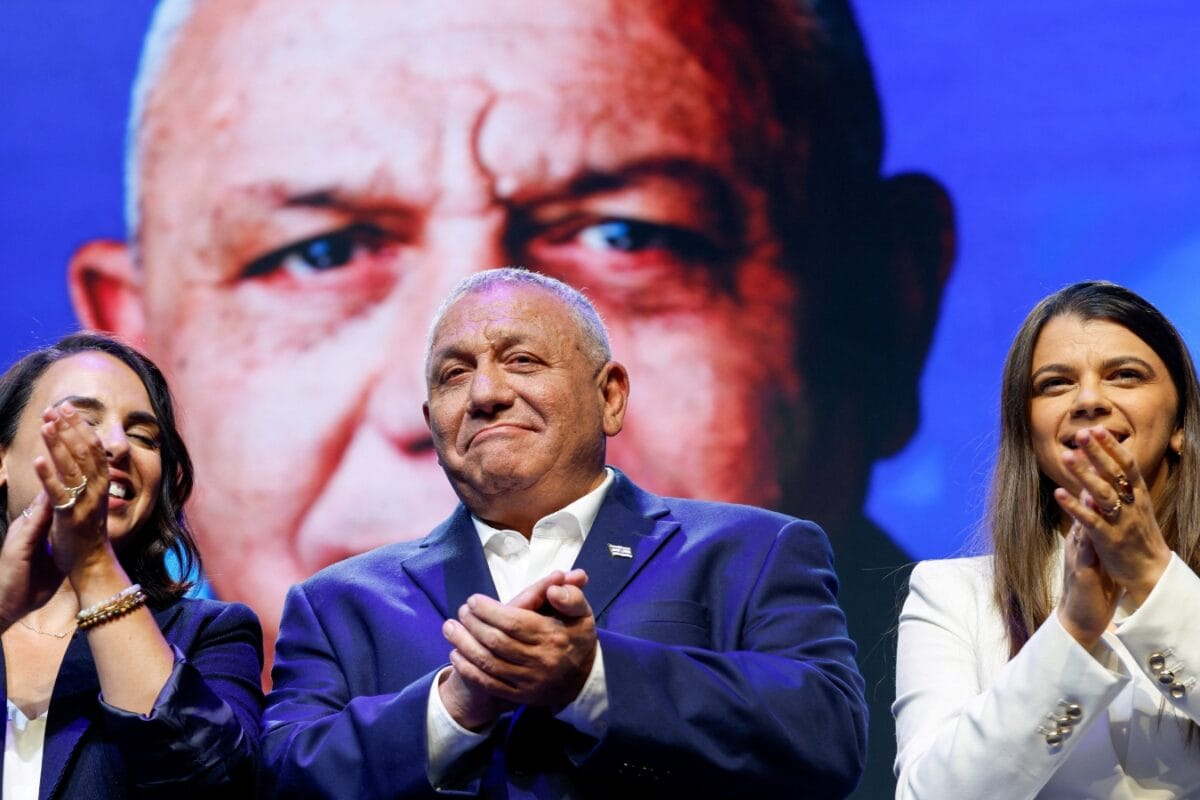
Israel’s Next PM? Who Is Gadi Eisenkot, The Army Chief Challenging Netanyahu Published By, Last Updated: July 06, 2026, 09:25 IST Eisenkot’s Yashar party is gaining momentum in polls, but Israel’s fractured coalition politics could still make Netanyahu difficult to unseat. Rapid Read Israeli opposition leader and former military chief, Gadi Eisenkot, reacts as he launches an election campaign for Yashar, his new political party, at an event near Hod Hasharon, Israel. (REUTERS) Israeli military chief Gadi Eisenkot, a security hawk who lost his son in Gaza and later quit Prime Minister Benjamin Netanyahu’s war cabinet over what he called a lack of strategy, has emerged as one of Netanyahu’s most serious challengers ahead of Israel’s next election. Eisenkot, 66, formally launched the campaign of his centrist party Yashar, meaning “Straight" or “Honest", on June 30, positioning himself as a soldier-turned-politician who wants to rebuild trust in Israel’s leadership after the October 7, 2023 Hamas-led attacks and the wars that followed. “This time it’s on us," Eisenkot said at the launch event. “Will we turn a blind eye to the disaster that has befallen us? Will we accept the continued division and rush to the next disaster? Or will we heal and rebuild?" he added. Polls cited by Reuters suggest Eisenkot’s Yashar is gaining momentum and could come second to Netanyahu’s Likud in parliamentary seats, though both are expected to fall short of a majority. In Israel’s fragmented political system, that could still leave Eisenkot better placed to form a coalition with parties across the spectrum, even if Likud wins more seats. Why Eisenkot Is Being Seen As Anti-Netanyahu A son of Jewish Moroccan immigrants, Eisenkot comes from a working-class background and spent four decades in the Israel Defense Forces, rising to become chief of staff from 2015 to 2019. That biography sharply contrasts with Netanyahu, a long-serving political figure, US-educated elite and Likud leader who remains on trial for corruption. Analysts say Eisenkot’s appeal lies partly in the fact that he does not look or sound like a conventional politician.
Gideon Rahat, a senior fellow at the Israel Democracy Institute, told AP that Eisenkot “looks like a front-runner because he’s everything Netanyahu is not". “He’s not polarizing, he’s not a populist like Netanyahu, and he will try to unify the country," Rahat said. Eitan Shamir, director of the Begin-Sadat Center for Strategic Studies at Bar-Ilan University, told Reuters: “He comes across as a genuine person. He’s very likeable, not a politician, an everyday person, someone that can be your neighbour or coworker. He’s not too sophisticated. People feel they can relate to him." Family Losses That Have Shaped His Political Image Eisenkot’s personal losses during the Gaza war have deeply shaped his public image. His 25-year-old son, Gal Meir Eisenkot, was killed while serving in Gaza in December 2023. Two of Eisenkot’s nephews were also killed in the war. Those losses have resonated in a country where hundreds of soldiers have died since the October 7 attacks. According to AP, they have also given Eisenkot credibility among some Israelis as someone who understands the cost of war and would not lightly sacrifice soldiers. “People trust him to be a real person and a patriot. They expect him to take care of the country and not himself," Rahat said. From War Cabinet Insider To Netanyahu Critic Eisenkot entered politics only four years ago and won a parliamentary seat in 2022 as an independent. After the October 7 attacks, he joined Netanyahu’s war cabinet but resigned in 2024, accusing the prime minister of lacking a clear strategy in Gaza. According to AP, Eisenkot had sent a strongly worded letter to fellow cabinet members, warning that battlefield gains were being mistaken for decisions that could actually neutralise Hamas and make Israel more secure. He has also criticised Netanyahu’s broader vision, arguing that a more isolated Israel would threaten the state’s future. At the same time, Eisenkot broadly supports Israeli military operations in Gaza, Lebanon and Iran, like many of Netanyahu’s rivals. A Hawk On Security, Not A Soft Alternative Eisenkot’s rise does not necessarily signal a softer Israeli regional policy.
 The BriefWire