A global hub for fake luxury goods, Vietnam cracks down on its black market
When Vietnam's police raided a pair of nondescript warehouses in outer Ho Chi Minh City earlier this year, they discovered more than 23,000 pairs of
When Vietnam's police raided a pair of nondescript warehouses in outer Ho Chi Minh City earlier this year, they discovered more than 23,000 pairs of slippers bearing the logos of Nike, Adidas, Crocs and Gucci. Except those brands had nothing to do with the warehouses. The slippers were all counterfeits. The raid, which led to the seizure of goods worth VND 2bn (£57,559; $76,053), was part of a crackdown on a black-market industry that has thrived in the public eye for decades.
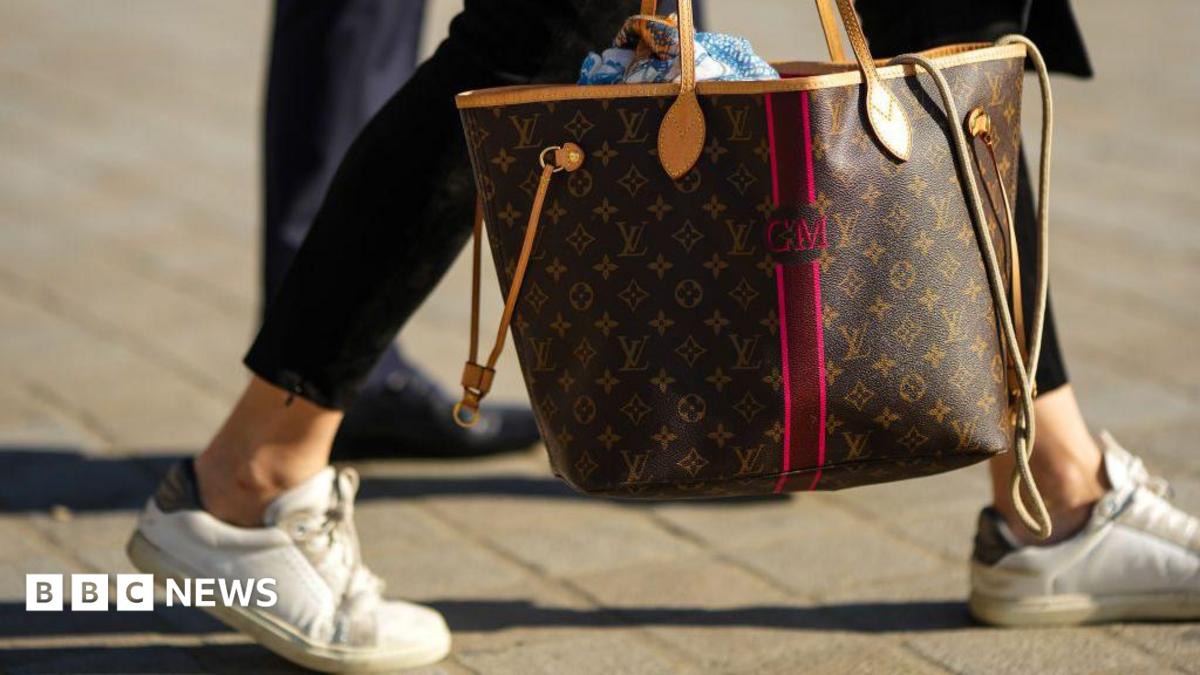
Just 30km away, at a flea market in Ho Chi Minh's tourist district, the same models of counterfeit slippers – imitations of those retailing for as much as $900 overseas – are being sold for $57 a pair. Displayed alongside them is a cornucopia of other fakes: "Chanel" handbags, "Prada" t-shirts and "Rolex" watches lining the racks. Widely recognised as a global hub for cheap knockoffs of luxury goods, Vietnam is home to some of the biggest fake designer markets in the world.
Now, under mounting international pressure, authorities are on a crusade to rid the country of that reputation. On 7 May, the government launched a nationwide crackdown on products and practices that violate intellectual property rights, including counterfeit goods, online piracy and trademark infringements. This is not new: authorities in Vietnam perennially and publicly bust bootleg vendors to show that they are doing something about the country's ubiquitous shadow economies.
But in recent weeks the clampdown has intensified.
 The BriefWire