Quote of the day by King Charles: "Whatever may be your background or beliefs, I shall…"
King Charles Quote of the day by King Charles "Whatever may be your background or beliefs, I shall endeavour to serve you with loyalty, respect
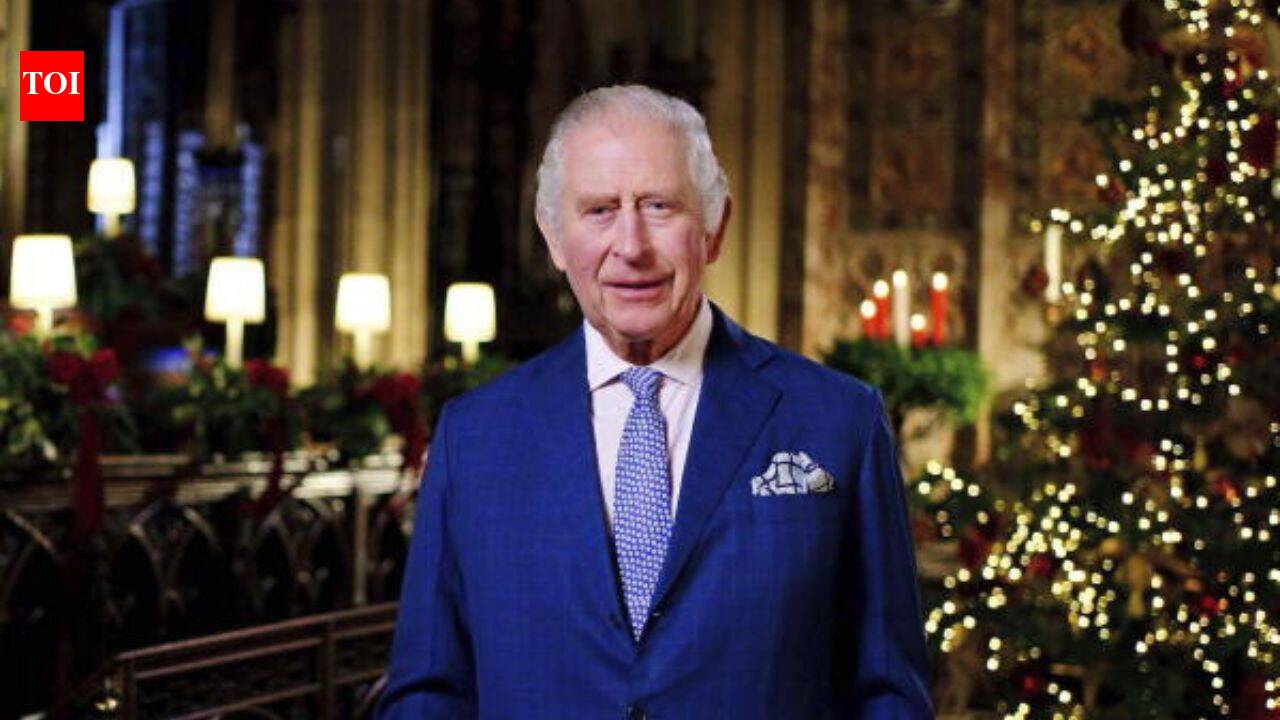
King Charles Quote of the day by King Charles "Whatever may be your background or beliefs, I shall endeavour to serve you with loyalty, respect and love." What is the meaning of the quote by King Charles Why this quote by King Charles is especially relevant today Why serving everyone equally is harder than it sounds How to apply the quote in daily life What the quote teaches about leadership The difference between tolerance and genuine respect Other famous quotes by King Charles "I have been trained and prepared all my life to be King. Now that responsibility passes to me." "It has always seemed to me that, in the modern world, we need to be reminded of the depths and expressions of our common humanity." "The great problems facing us today are, I believe, of a fundamentally spiritual nature." "I want to be seen as defender of faith, not the faith." Final takeaway from King Charles' words A new monarch's first words carry a different kind of weight than almost any other speech a person will ever give. There is no campaign behind them, no vote to win, only a role already assigned and a nation waiting to hear how its new king understands it. Speaking hours after his mother's death, King Charles chose to make that understanding explicit. "Whatever may be your background or beliefs, I shall endeavour to serve you with loyalty, respect and love, as I have throughout my life," he said. It was a promise made to millions of people he would never personally meet, across a country and a Commonwealth built from a far wider range of backgrounds and beliefs than the monarchy has traditionally been associated with.The quote makes a specific, deliberate choice about scope.
Charles did not pledge to serve people who shared his faith, his nationality, or his political outlook. He pledged loyalty, respect and love to everyone, explicitly regardless of background or belief, a phrase that reaches well beyond the Church of England role the monarch formally holds.That choice of words matters given the position itself. The British monarch is also the Supreme Governor of the Church of England, a role tied historically to one specific faith.By naming background and belief directly, Charles was addressing a modern Britain, and a modern Commonwealth, made up of many faiths and none, acknowledging that his role as a unifying figure could not rest solely on a single religious identity even though his own faith remains central to the position.The United Kingdom and the wider Commonwealth realms have grown considerably more religiously and culturally diverse since the monarchy's traditions were first established. A pledge of loyalty tied narrowly to one faith or background would sit uneasily against that reality. Charles's language was constructed to acknowledge the distance between the institution's historical roots and the country it now represents.This tension is not unique to the monarchy. Any institution built around tradition, a school, a company, a long-standing organisation, eventually has to decide whether its founding language still matches the people it now serves. Charles's quote is one public, high-profile example of an institution explicitly updating its own promise to keep pace with the people inside it.A pledge to serve every background and belief equally is simple to state and considerably harder to deliver in practice. Any single decision, symbol, or public statement risks appearing to favour one group or tradition over another, and a role as visible as the monarchy offers very little room to make that kind of choice quietly.This is precisely why the promise required more than warm language to be credible.
 The BriefWire