Clay, kilns and the cost of survival for tile makers
Standing beside a machine older than her grandfather, Tessa Oldroyd feeds clay through a clanky mechanism driven by iron cogs that have been turning for
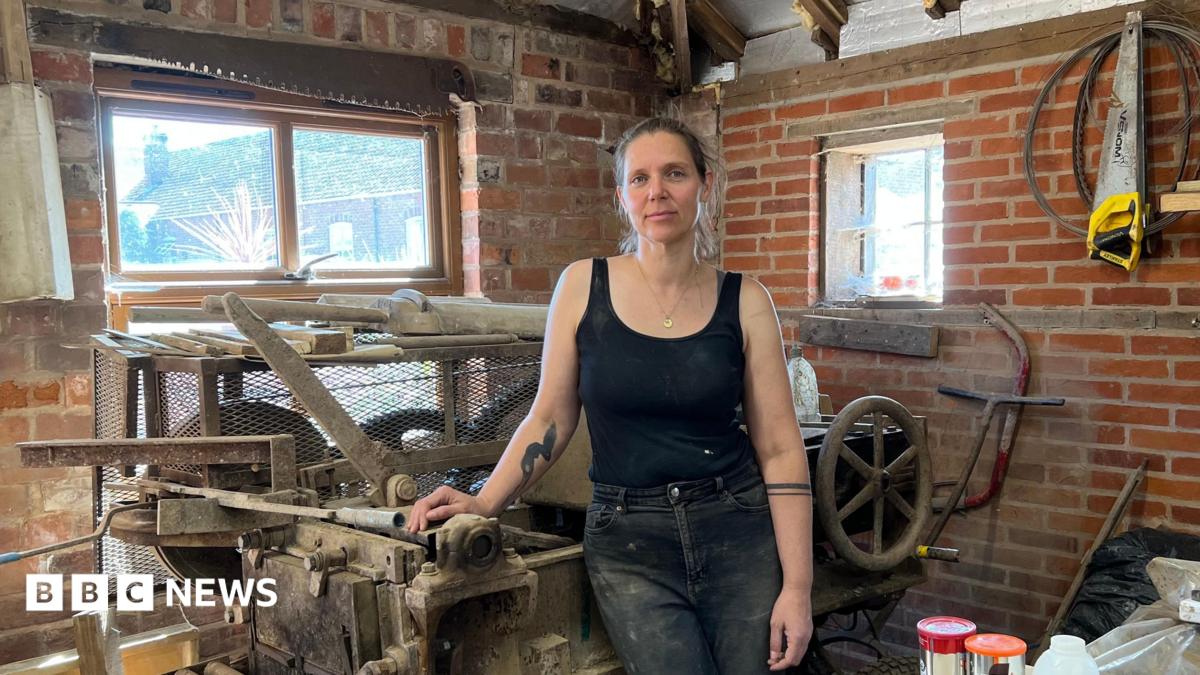
Standing beside a machine older than her grandfather, Tessa Oldroyd feeds clay through a clanky mechanism driven by iron cogs that have been turning for more than a century. In her hands, Britain's tile-making past is very much alive. But a dozen miles away, its future is being reshaped.
The clay, most of which is dug from the Humber Estuary, arrives in heavy blocks and is stacked on pallets in the yard at William Blyth, in Barton-upon-Humber, North Lincolnshire. Oldroyd – the only woman in a male-dominated workplace of 24 workers – explains how one block is placed into the machine, affectionately nicknamed "the stupid", before the cogs turn and "squeeze the clay through a plate, extruding it into tiles", which are then baked in its coal-fired kiln.
This is how roof pantiles have been made for generations at the site. The small firm is one of about a dozen traditional companies surviving
at a time when others in the industry are looking to modernise production in the face of significant economic pressures.
 The BriefWire