How SIR Stirred Up A Political Storm: The Exercise For EC Rolls That Rocked Polls Explained
How SIR Stirred Up A Political Storm: The Exercise For EC Rolls That Rocked Polls Explained Written By, Last Updated: May 27, 2026, 14:32 IST
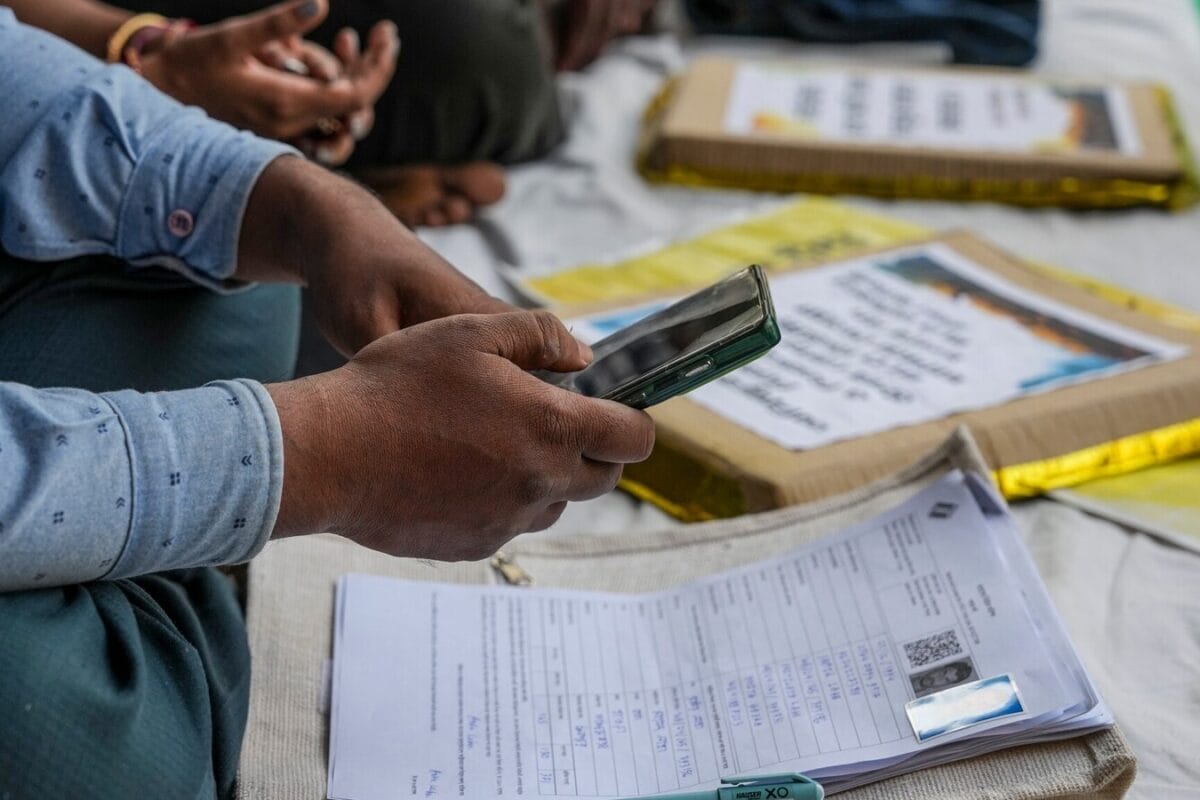
How SIR Stirred Up A Political Storm: The Exercise For EC Rolls That Rocked Polls Explained Written By, Last Updated: May 27, 2026, 14:32 IST SIR and ECI: What was the controversy? What were the objections? What did EC say? What is the Supreme Court's verdict? News18 explains Rapid Read A Booth Level Officer (BLO) at work. (PTI) While the Supreme Court has upheld the legal validity of the Special Intensive Revision (SIR), why were there doubts around the electoral roll cleanup undertaken by the Election Commission of India (ECI) ahead of state assembly elections? Critics and opposition parties even labelled it as a “de facto NRC" (Register of Citizens) that has disenfranchised millions of legitimate voters. Conversely, the ECI and the ruling Bharatiya Janata Party (BJP) defended it as a necessary exercise to eliminate duplicate, deceased, or non-citizen voters. The controversy, objections, doubts, explained. Why the dispute The ECI initiated Phase I of the SIR in Bihar before expanding Phase II to 12 states and union territories—including West Bengal, Uttar Pradesh, and Tamil Nadu. The primary triggers for the uproar were The ECI required voters who entered the rolls after 2002–2003 to provide strict documentary proof linking their ancestry to an individual listed in the 2002 or 2003 “legacy rolls". Legal experts and opposition leaders argued the exercise illegally forces citizens to prove their citizenship to a poll body, a power traditionally vested in the Ministry of Home Affairs.
Across the states, tens of millions of names were struck off or placed “under adjudication". For instance, Uttar Pradesh recorded over 2 crore deleted names, while West Bengal saw the removal or adjudication of roughly 90 lakh voters. The political objections West Bengal: The friction was sharpest in West Bengal, where then Chief Minister Mamata Banerjee and the Trinamool Congress (TMC) heavily contested the drive. AI Algorithm Flagging: The ECI used a new AI algorithm to flag “logical discrepancies", such as slight spelling mismatches between 2002 and 2025 rolls or age-gap anomalies between parents and children. Targeting Allegations: Activists and opposition figures allege that the algorithm disproportionately targeted minority and Muslim-dominated border districts like Murshidabad and Malda, leading to claims of deliberate voter suppression. Bihar & Other States: In Bihar, where over 60 lakh names were initially purged, investigations revealed vast discrepancies, such as hundreds of voters accidentally clustered into single households. Opposition parties like the Indian Congress and DMK launched massive street protests, even floating an impeachment motion against the Chief Election Commission chair. The legal showdown Civic groups like the Association for Democratic Reforms (ADR) and various state governments filed petitions in the Supreme Court challenging the legality of the SIR. The Petitioners’ Stance: Argued that the ECI bypassed the Representation of the People Act, 1950, created a “suspended citizenship" state, and triggered digital exclusion for rural populations lacking formal documentation.
The ECI’s Stance: Countered that Article 324 and Article 326 give it absolute autonomy to clean the voter lists. They initially refused to accept basic identity markers like Aadhaar cards, though the Supreme Court later intervened to expand the acceptable document list. What was the social impact? Internal migrant workers, tribal groups, and impoverished citizens have faced immense hurdles navigating the rigid door-to-door verification or using online systems. In West Bengal’s border areas, fear of impending detention or deportation reportedly triggered border flights and cases of extreme mental anxiety. Ground-level Booth Level Officers (BLOs) have structural grievances, reporting extreme workloads, lack of training, and delayed compensation amidst the high-pressure deadlines. What did the SC say? The Supreme Court of India upheld the constitutional and legal validity of the Election Commission of India’s (ECI) Special Intensive Revision (SIR) of voter rolls. The landmark judgment, delivered by a bench comprising Chief Justice Surya Kant and Justice Joymalya Bagchi, dismissed petitions that had challenged the exercise.Key rulings and observations made by the Supreme Court include ECI’s Authority Upheld: The court ruled that the ECI has the full power to conduct SIR under Article 324 of the Constitution, read with the Representation of the People Act, 1950. The ECI did not transgress any statutory powers. “Breathes Life into the Constitution": The bench stated that the SIR process actively advances the constitutional imperative of ensuring free, fair, and inclusive elections.
The court added that the exercise cannot be struck down simply because it operates differently from routine voter roll revisions. Citizenship Scrutiny: The court validated the ECI’s power to scrutinize citizenship status during the revision. However, it clarified that removing a name from the voter list on citizenship grounds does not automatically strip an individual of their citizenship; any such deletions remain subject to further legal adjudication. Sufficient Safeguards: The court expressed satisfaction with the proportionality of the SIR, noting that it has adequate safeguards and allows for a broad and voter-friendly variety of documents to be used as identity proof. With agency inputs News18 Newsletter Handpicked stories, in your inbox A newsletter with the best of our journalism submit First Published: May 27, 2026, 11:42 IST News explainers How SIR Stirred Up A Political Storm: The Exercise For EC Rolls That Rocked Polls Explained Disclaimer: Comments reflect users’ views, not News18’s. Please keep discussions respectful and constructive. Abusive, defamatory, or illegal comments will be removed. News18 may disable any comment at its discretion. By posting, you agree to our Terms of Use and Privacy Policy Loading comments...
 The BriefWire