A Woman From Uganda Landed In Bengaluru With A Fever. The Word 'Ebola' Did The Rest
A Woman From Uganda Landed In Bengaluru With A Fever. The Word 'Ebola' Did The Rest Reported By, Edited By Last Updated: May 27, 2026
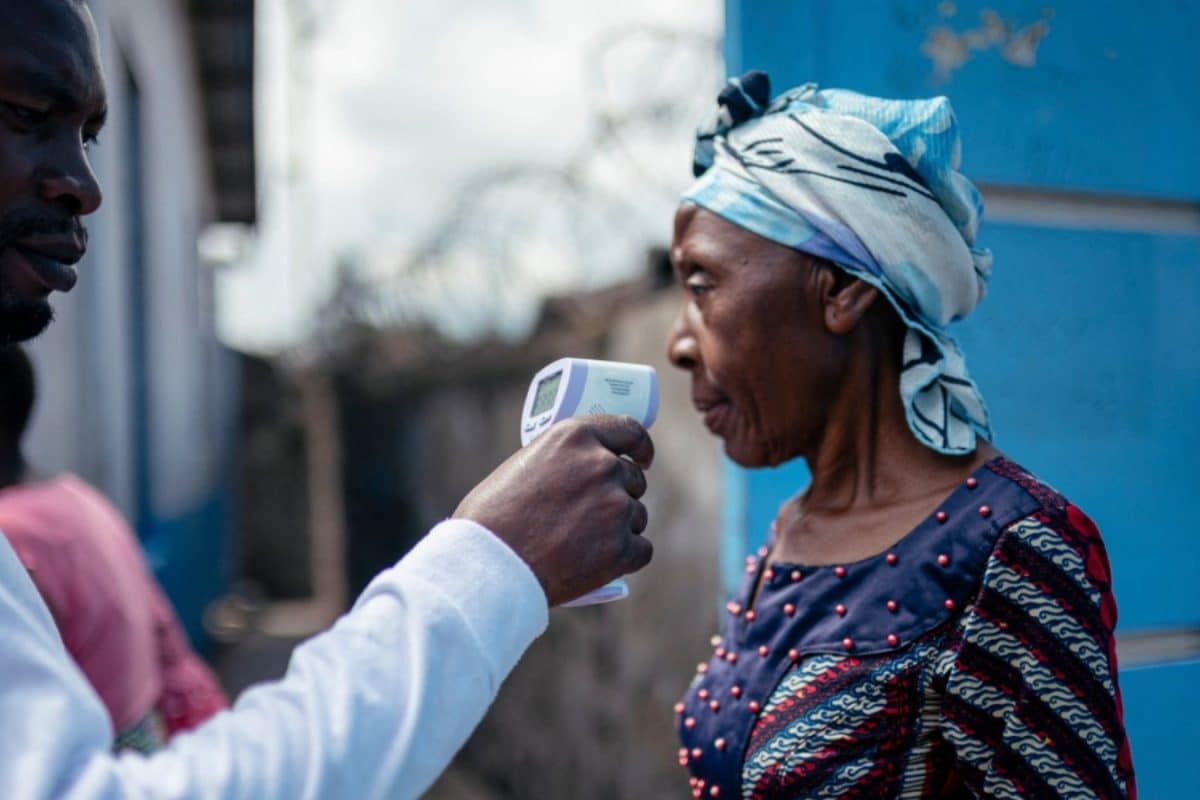
A Woman From Uganda Landed In Bengaluru With A Fever. The Word 'Ebola' Did The Rest Reported By, Edited By Last Updated: May 27, 2026, 12:36 IST Ebola doesn't float through cabin air. It spreads through direct contact with bodily fluids — which is why your row on the flight matters. Ebola: WHO has upgraded the health risk from Ebola to 'very high' in DR Congo. A 28-year-old Ugandan woman stepped off a flight at Kempegowda International Airport on May 23 complaining of body ache and fatigue — and within hours, Bengaluru’s health machinery had swung into high gear. She had travelled from Kampala via Dubai, Uganda has a history of Ebola outbreaks, and that combination was enough. She was isolated, ambulanced to the city’s Epidemic Diseases Hospital in Indiranagar, and her blood samples dispatched to the Institute of Virology. Two co-passengers were also kept under observation even though they showed no symptoms. The results are still awaited. Officials have been clear: there is no confirmed Ebola case in Karnataka or India so far. But the incident left Bengaluru with an uncomfortable question hanging in the air — one that many passengers on that flight were probably asking themselves too. If ‘Ebola’ Was Even Suspected, Why Wasn’t The Entire Flight Quarantined?
It is the most obvious question, and the answer lies in understanding how Ebola actually spreads. Unlike Covid-19, Ebola is not an airborne virus that drifts freely through a plane cabin. According to the World Health Organization and the US Centers for Disease Control and Prevention, Ebola spreads primarily through direct contact with bodily fluids — blood, vomit, saliva, sweat, urine, stool — of a person who is already showing symptoms. Sitting ten rows away on the same aircraft does not, by itself, put a passenger at meaningful risk. So Who Gets Quarantined — And Who Doesn’t? Health officials divide contacts into categories based on actual exposure. Those who sat nearby for prolonged periods, had close physical interaction with the suspected patient, assisted her, or handled potentially contaminated items are treated as primary contacts and may be monitored or quarantined. Everyone else falls into a lower-risk category. “Ebola is not considered an airborne infection in normal circumstances. We only isolate and monitor those who had direct or prolonged close exposure to the suspected individual. There is no scientific reason to quarantine every passenger on a flight unless there are signs of mass exposure," a senior official from Karnataka’s Health and Family Welfare Department told News18.
Passengers seated far away in the cabin, airport staff with no direct contact, or those who simply shared the same flight are generally considered low-risk — unless the patient had severe visible symptoms such as vomiting, bleeding, or uncontrolled coughing mid-flight. When Does Ebola Actually Become Dangerous? The science here is important, and often misunderstood. Ebola is contagious only after symptoms begin — a person in the incubation phase, showing no outward signs, does not typically spread the virus. “Ebola becomes a serious concern mainly after symptoms begin appearing and start progressing. If a person has no symptoms, the chances of transmission are significantly lower. In some cases, people with stronger immunity may fight off infections without even realising it. Over time, communities can also develop a degree of herd immunity. That is why quarantining an entire aircraft full of passengers is not considered necessary unless there is evidence of high-risk exposure," Dr Satish Ramana told News18. This is also why authorities did not shut down the airport or quarantine the entire flight. The Post-Covid Playbook: Act Fast, But Don’t Panic Modern public health systems now rely on what officials call “risk-based containment" — isolate quickly, trace close contacts, test, communicate — rather than mass quarantine unless the evidence demands it.
Quarantining hundreds of passengers without scientific basis, experts warn, creates unnecessary panic and strains health infrastructure without adding meaningful protection. Karnataka health officials said protocols were activated immediately because international alerts remain in place for viral haemorrhagic fevers. The isolation of the woman and monitoring of select contacts were part of standard preparedness — designed to prevent even the smallest possibility of transmission. In many ways, Bengaluru’s response reflects the most important lesson from the Covid era: move early, move precisely, and resist the urge to over-react in ways that cause more harm than the threat itself. News18 Newsletter Handpicked stories, in your inbox A newsletter with the best of our journalism submit First Published: May 27, 2026, 12:36 IST News cities bengaluru-news A Woman From Uganda Landed In Bengaluru With A Fever. The Word 'Ebola' Did The Rest Disclaimer: Comments reflect users’ views, not News18’s. Please keep discussions respectful and constructive. Abusive, defamatory, or illegal comments will be removed. News18 may disable any comment at its discretion. By posting, you agree to our Terms of Use and Privacy Policy Loading comments...
 The BriefWire