FIFA 2026: Surveillance reaches new highs
Pennsylvania: The 2026 FIFA World Cup is the largest sporting event in history. It's also the most surveilled World Cup ever. If you're visiting or
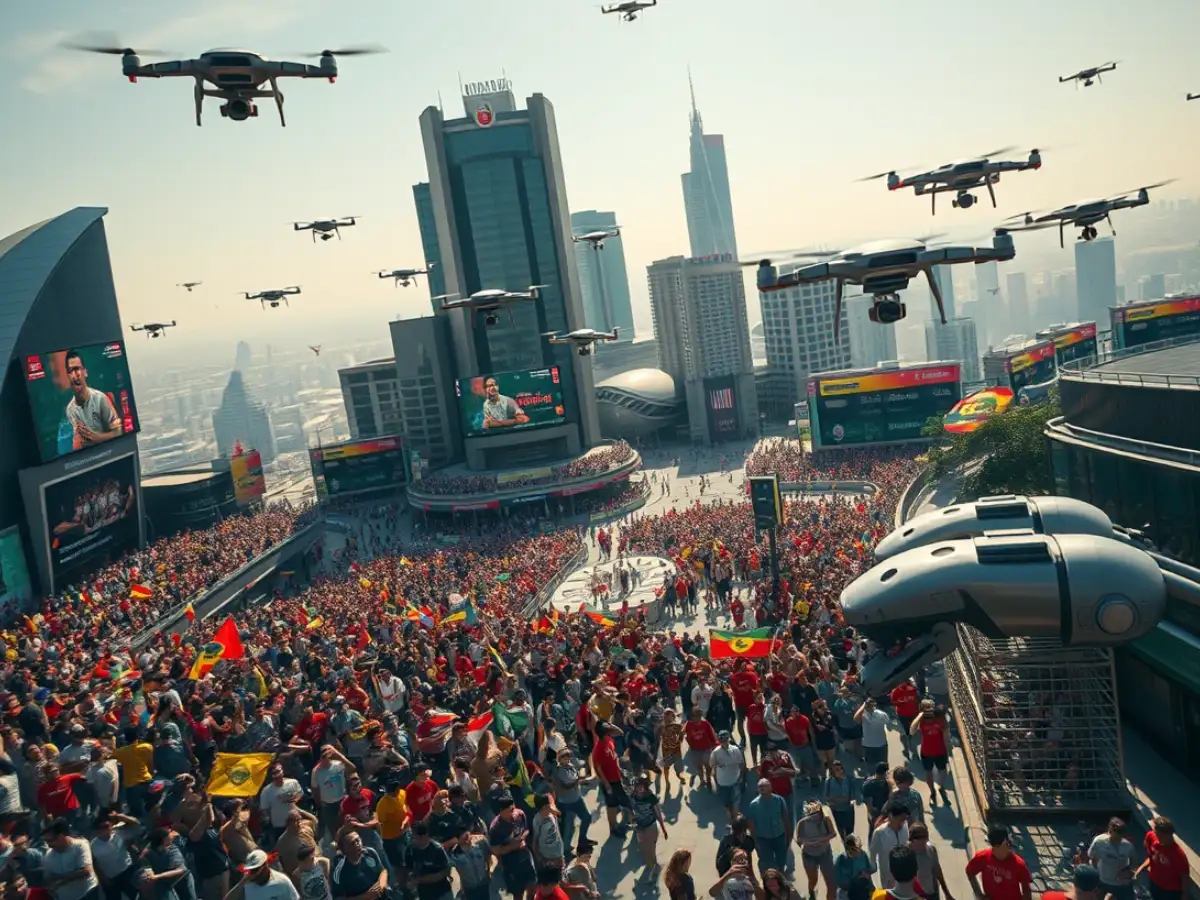
Pennsylvania: The 2026 FIFA World Cup is the largest sporting event in history. It's also the most surveilled World Cup ever. If you're visiting or traveling around host cities, then you and your face, behavior, movement and devices are being monitored by governments and private companies.The U.S. government funneled more than US$1 billion to World Cup security to protect transit hubs, stadiums and surrounding areas; improve tactical operations such as bomb squads and SWAT teams; and add and upgrade equipment. It's been a bonanza for the private sector.Much of the investment in surveillance was done in the name of preventing harm from unauthorized drone use. Indeed, protecting against that threat is helping fuel the rapidly expanding government-private sector partnership in surveillance technology development and acquisition, which poses a different risk - to privacy.Read More: FIFA World Cup 2026: USA records highest WC attendance in history, says FIFAAs an attorney, author and educator who has worked for decades in privacy and surveillance, I've advised law enforcement about using drones and understand that security is critical to keeping people safe. The argument for security, however, is too often the catalyst to fund, develop and increase government surveillance capabilities that erode civil liberties, chill speech and undermine freedom of association.And in my experience, surveillance-friendly policies and tech systems, once in place, rarely go away. Cameras, drones and AI The level of surveillance around this World Cup and changes in U.S. law and immigration policies prompted over 120 civil society groups - including Amnesty International and the American Civil Liberties Union - to issue a travel advisory.
They warn that people visiting the U.S. may be subject to harms that breach the country's legal human rights obligations.That advisory lists risks of invasive social media screening, searches of electronic devices, racial profiling, arrest, detention, deportation and even death. European governments have issued travel advisories warning of surveillance and profiling as well.AI-driven surveillance is playing a major role across the World Cup. The stadiums in host cities are equipped with facial recognition cameras that can collect and analyze facial biometrics of people in and around the stadiums. That data can be retained and used in future ways, unknown and uncontrolled by those whose biometric data has been collected.Read More: FIFA World Cup’s hidden scorecard: What fans don’t see, economics doesThe proliferation of facial recognition at events reflects a broader global trend normalizing biometric surveillance as these systems expand across cities.Many states, like New York, are using federal funding for World Cup security to increase the number, capabilities and use of drones by law enforcement. Drones are remarkably capable and powerful surveillance tools easy to load with cameras, microphones, advanced sensors and weapons.AI-supported autonomous software allows drones to monitor areas, track movement and gather intelligence. The drones can be powerful enough to scan entire cities or zoom in and read a milk carton from 60,000 feet (18,288 meters). They can carry technology that allows them to function like a cellphone tower, permitting law enforcement to determine your location or intercept texts and phone calls.
 The BriefWire