A trailblazer whose stage experiments transformed Indian theatre
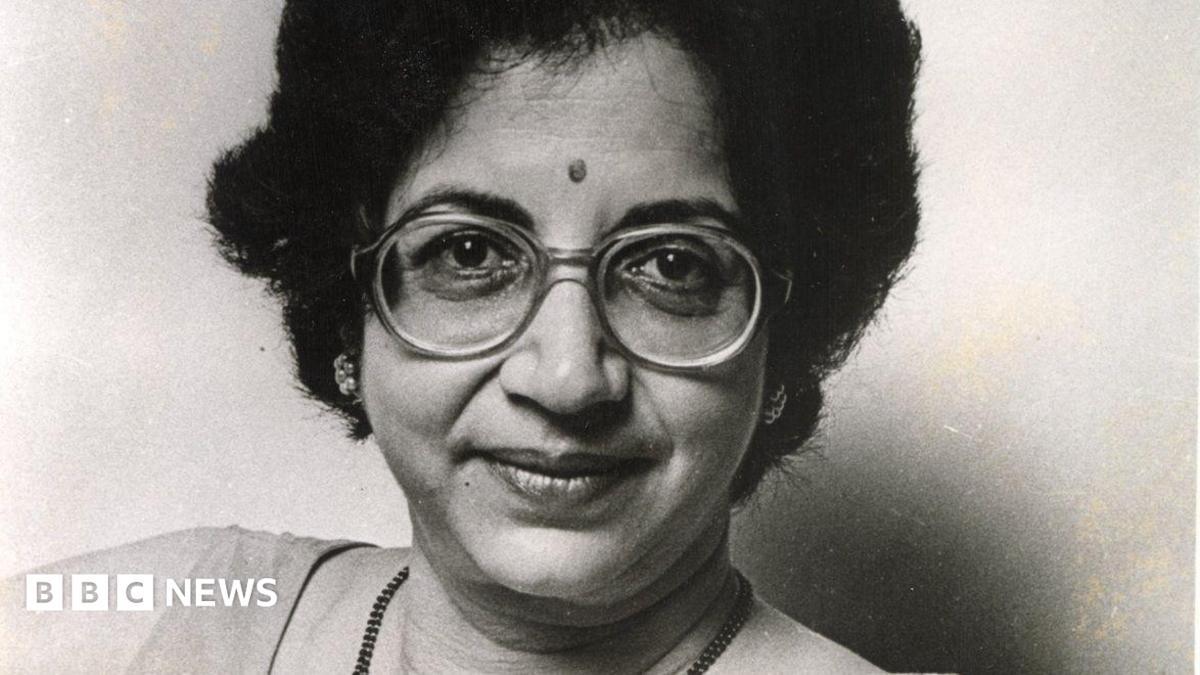
Vijaya Mehta who died last week, aged 92, was known for her trailblazing plays that transformed the landscape of Indian theatre. Mehta, who was widely
Vijaya Mehta who died last week, aged 92, was known for her trailblazing plays that transformed the landscape of Indian theatre. Mehta, who was widely credited with modernising Marathi-language theatre (performed mainly in Maharashtra state) in the 1960s and 1970s, was one of the most influential figures in the world of performing arts. She was best known for directing and acting in experimental plays and films, and was a mentor to many budding as well as popular Bollywood actors like Nana Patekar and Anupam Kher.
Mehta received several awards during her lifetime, including Film Awards for her acting and direction and a Padma Shri (an Indian government civilian award) for her contribution to modern Indian theatre. Although widely associated with Marathi theatre, Mehta was born in Vadodara in present-day Gujarat state in 1934. She came from a family of actors and could have easily pursued a career in mainstream cinema but chose the world of theatre instead.
Indian theatre, though not bereft of fans, has always occupied a less glamorous space in the performing arts. But this didn't seem to matter to Mehta, who began acting in Marathi plays during college after being encouraged by a professor. She later trained under Ebrahim Alkazi and Adi Marzban, pioneers of modern Indian theatre, and carried their spirit of experimentation into her own work.
Theatre lovers in Maharashtra remember Mehta as the woman who transformed Marathi theatre with bold, experimental plays about ordinary lives.
 The BriefWire