When will Delhi's air be pollution-free? Rekha Gupta answers
Delhi has a new electric vehicle (EV) policy, and this time it comes with a hard deadline for phasing out petrol and diesel vehicles. The
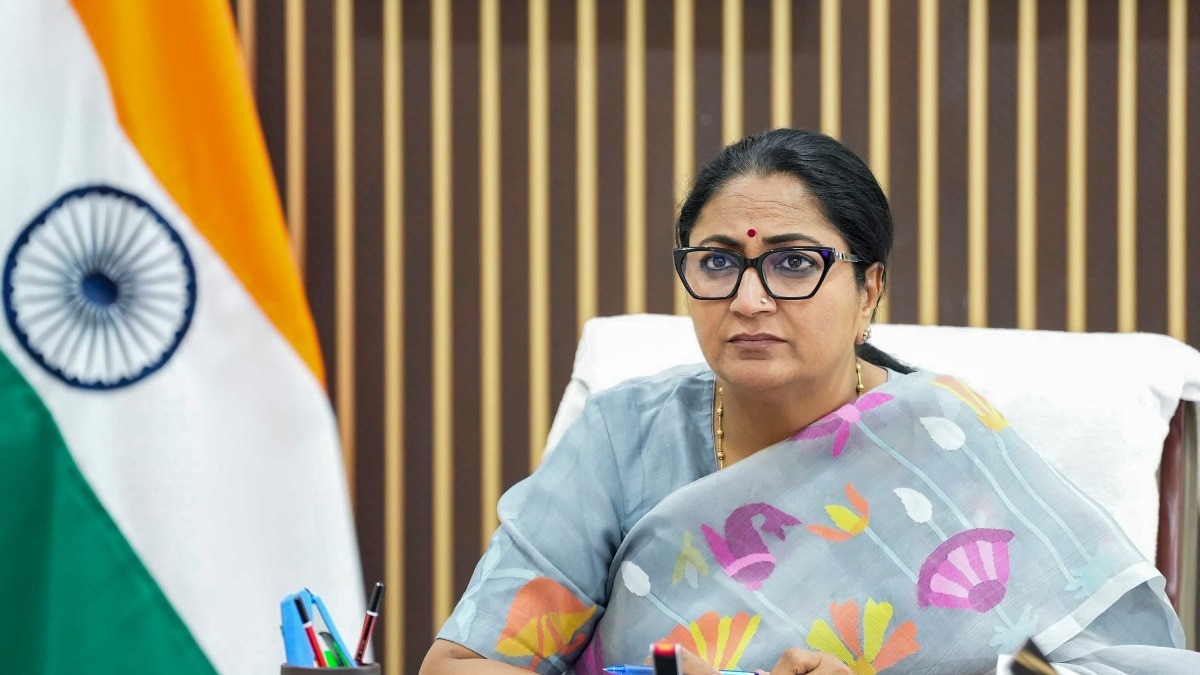
Delhi has a new electric vehicle (EV) policy, and this time it comes with a hard deadline for phasing out petrol and diesel vehicles. The new EV policy was notified on July 1, 2026. From April 1, 2028, Delhi residents will no longer be able to register new petrol-powered two-wheelers. Only electric autorickshaws and N1 category goods carriers will be eligible for registration from January 1, 2027. Read Full Story According to the Delhi government, the main objective of the policy is to achieve a minimum 30% electrification of Delhi's vehicle fleet by March 31, 2030, when the policy rolls out. Chief Minister Rekha Gupta sat down for a wide-ranging conversation on implementation, funding, enforcement and what she wants her legacy to be. Excerpts from the interview Q: The EV policy has been well received by environmentalists and experts. The real question now is implementation. That depends on three things, charging infrastructure, availability of EVs, and pricing. Starting with infrastructure, what is your execution plan? A: The success of this policy depends largely on charging infrastructure, and we have planned for it completely. All stakeholders are involved. People mostly charge private vehicles at home, but we still need infrastructure in public places. We have brought in OEMs, DTL, and other government agencies to build infrastructure for societies. We have created a single-window system so people setting up their own EV infrastructure do not face hurdles. Right now, we have 9,000 charging points. Our target is 32,000, and DTL has been made the nodal agency for this. We are also involving OEMs so they build charging infrastructure for their own customers. I want to assure the people of Delhi they will not face problems with charging. Q: The policy says 32,000 charging points will be built by March. But in Delhi, land ownership is complicated; sometimes it is with MCD, sometimes DDA, sometimes another authority. Are you confident that the number will be reached? A: Today we have a double engine government, the central government, the state government, and MCD are all working on a common platform. When we set up Arogya Mandir, we used land from other agencies too, including DDA and MCD. We have already identified land for charging infrastructure at the lowest possible cost. This policy has been a year in the making, with discussions across every stakeholder from start to finish. We are also planning for battery disposal and e-waste infrastructure, and that work has already begun. Q: The policy waives close to seven thousand crore rupees, and with long-term costs, it adds up to about Rs 15,000 crore. How will you make EVs affordable enough that people actually switch, since petrol and diesel vehicles are still cheaper upfront?
 The BriefWire