Bulgarian proverb of the day: "If you don't patch your old cloth, you will not wear a new one", an age-old wisdom on management
A Bulgarian wisdom on sustainability, management "If you don't patch your old cloth, you will not wear a new one." A slice of Bulgarian life
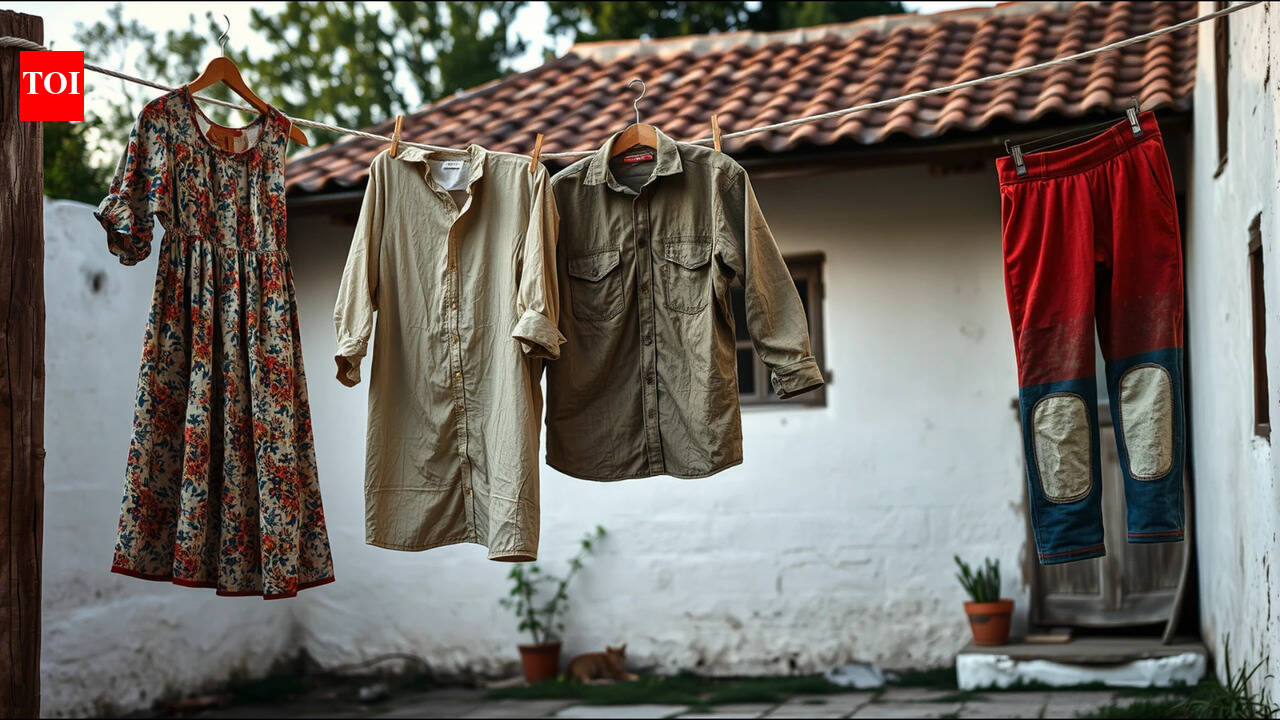
A Bulgarian wisdom on sustainability, management "If you don't patch your old cloth, you will not wear a new one." A slice of Bulgarian life Moderation and sustainability Happiness is not always in something new "If you don't patch your old cloth, you will not wear a new one" Among the many proverbs that have emerged from Bulgaria's long rural tradition, few express the value of prudence and self-reliance as vividly as the saying,The proverb appears to offer practical advice about repairing worn clothing, but beneath its simple imagery lies a much broader philosophy about sustainability, patience, responsibility, and the proper management of life's resources. For centuries, Bulgarians lived in farming communities where waste could mean hardship and careful stewardship could determine whether a family survived a difficult winter. In such a world, repairing old garments was not merely a household chore; it was evidence of foresight, discipline, and respect for the value of labor. The proverb reminds people that those who neglect what they already possess are unlikely to deserve or successfully manage something better in the future.The saying grew out of the realities of traditional Bulgarian life. Until the late nineteenth and early twentieth centuries, most Bulgarians lived in villages where clothing was handmade within the household.Wool came from sheep, flax and hemp were cultivated in nearby fields, and every stage of producing cloth—from spinning and weaving to dyeing and sewing—required countless hours of painstaking work. A shirt, coat, apron, or blanket represented weeks of effort rather than a quick purchase from a market. Because every piece of fabric demanded so much labor, no sensible family discarded clothing simply because it had developed a tear. Holes were stitched, elbows reinforced, collars replaced, and patches carefully sewn over worn areas. Many garments remained in use for decades, passing from older siblings to younger ones and often serving several generations before finally being cut into cleaning rags or quilt pieces. Wastefulness was considered both impractical and morally irresponsible because it showed disrespect for the work that had gone into making the item.Against this background, the proverb acquires a deeper meaning. It is not merely saying that repairing old clothes delays the purchase of new ones.
Rather, it teaches that the habit of caring for existing possessions develops the character necessary to acquire better things. Someone who refuses to mend a small tear because it seems inconvenient is likely to neglect larger responsibilities as well. The person who cannot preserve what is already in hand often lacks the patience, discipline, and appreciation required to benefit from future opportunities. The proverb therefore shifts attention away from the object itself and toward the habits of the individual. Success is presented not as a stroke of luck but as the reward for consistent care and responsible conduct.The proverb sounds moderan as now the fashion world has been advocating for sustaining fashion. The lesson offered by the proverb reflects a broader pattern in Bulgarian folk culture, where diligence and moderation are celebrated more highly than displays of wealth. Bulgaria's history has been marked by periods of foreign domination, economic hardship, wars, and political upheaval. For ordinary families, prosperity was rarely guaranteed and often depended upon making the most of limited resources. Folk songs, stories, and proverbs repeatedly praise those who save seed for the next planting season, repair tools instead of abandoning them, and prepare carefully for difficult times. Within this cultural framework, patching an old garment symbolizes a mindset that values endurance over extravagance. It is not poverty that the proverb glorifies, but wisdom in the use of what one already possesses.The metaphor extends naturally beyond clothing into every area of human life. Relationships, for example, require continual attention. Friendships develop misunderstandings, marriages encounter disagreements, and family ties sometimes become strained. The easiest response may be to abandon the relationship altogether in search of something new, yet the proverb suggests another approach. Just as a skilled seamstress patiently repairs a torn garment, thoughtful people repair trust through honesty, forgiveness, and effort. Those who refuse to mend damaged relationships often discover that new friendships or partnerships encounter the same difficulties because the underlying habits have never changed. Learning to repair what already exists is often the first step toward building something stronger.The same principle applies to education and personal growth. Many people dream of advanced opportunities while neglecting the knowledge already available to them.
 The BriefWire