How your smartwatch and AI might detect early signs of illness
Long before you notice the symptoms of, say, the flu or COVID-19, your body starts changing in subtle ways. Taken individually, changes to your skin
Long before you notice the symptoms of, say, the flu or COVID-19, your body starts changing in subtle ways. Taken individually, changes to your skin temperature, resting heart rate or respiratory patterns may not mean much. But when combined and compared to your baseline, they may hint that you're coming down with something. Research has shown that wearables can detect physiological changes from respiratory infections before symptoms appear. (It's worth noting that they're detecting the body's response to an infection, not the virus or bacteria itself.) A recent study from Texas A&M and Stanford found that smartwatches may detect early signs of COVID-19 and influenza within hours of infection.
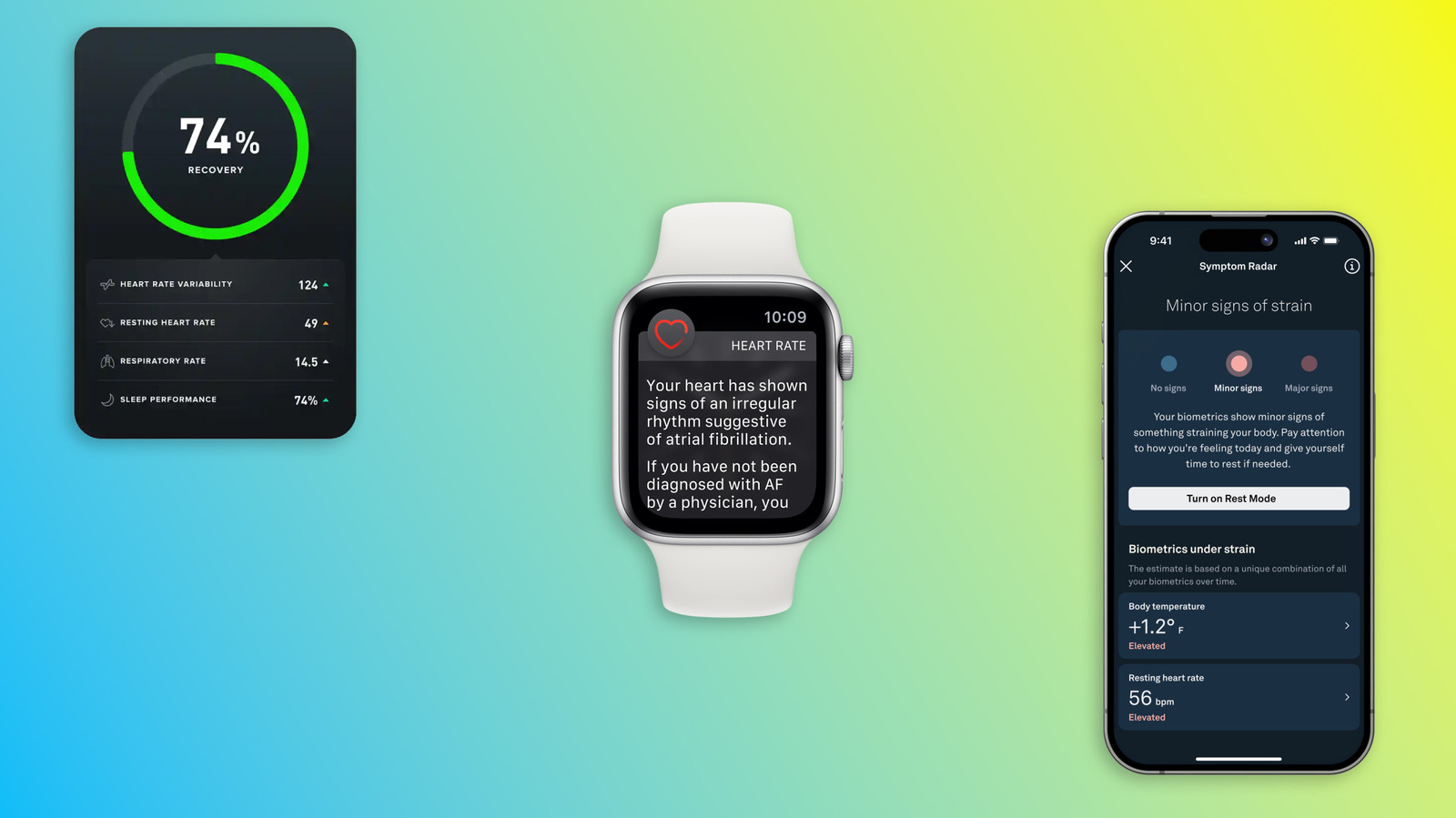
The researchers estimated that encouraging people to isolate, get tested and seek treatment earlier could reduce pandemic transmission by up to 50 percent. Of course, wearables, pandemics and the seasonal flu have been around for many years, but recent developments in AI and sensor technology could push things forward. Companies like Google, Oura and Whoop have all introduced some version of an AI coach or advisor in their apps, helping users make sense of their data. There are also features that aren't labeled "AI," like Oura's Symptom Radar and Apple's Vitals that piece together information from multiple sensors and compare it with your baseline.
And the processing ability of the latest AI language models, like Google's Gemini in the company's Health Coach, will likely play an increasingly important role in tying it all together and suggesting actionable steps. But like proprietary recovery scores, much of that AI analysis will happen behind the scenes, offering little that doctors can reliably act on. At best, AI health analyses will nudge people to seek treatment earlier. At worst, they might encourage people to substitute computer-generated advice for consultations with medical professionals. While today's AI systems come with warnings to check with real-world doctors, there is still the risk of people taking wearable data or app insights as the be-all and end-all verdict on their health.
Whether it's information from a miniaturized sensor on your wrist or advice given by a chatbot on your phone, nothing can replace regular physical health checkups with doctors and medical professionals. The future of wearable health probably won't be a smartwatch that diagnoses disease from your wrist — the fabled wrist Tricorder. Instead, it's more likely to be a device that quietly watches for patterns, nudges you when something looks off and gives you another piece of useful information to discuss with your doctor.
 The BriefWire