A Relationship Forged In Exile: New Biography Details Dalai Lama’s Ties With Nehru, Indira & Rajiv Gandhi
A Relationship Forged In Exile: New Biography Details Dalai Lama’s Ties With Nehru, Indira & Rajiv Gandhi Published By, Last Updated: July 04, 2026, 19:44
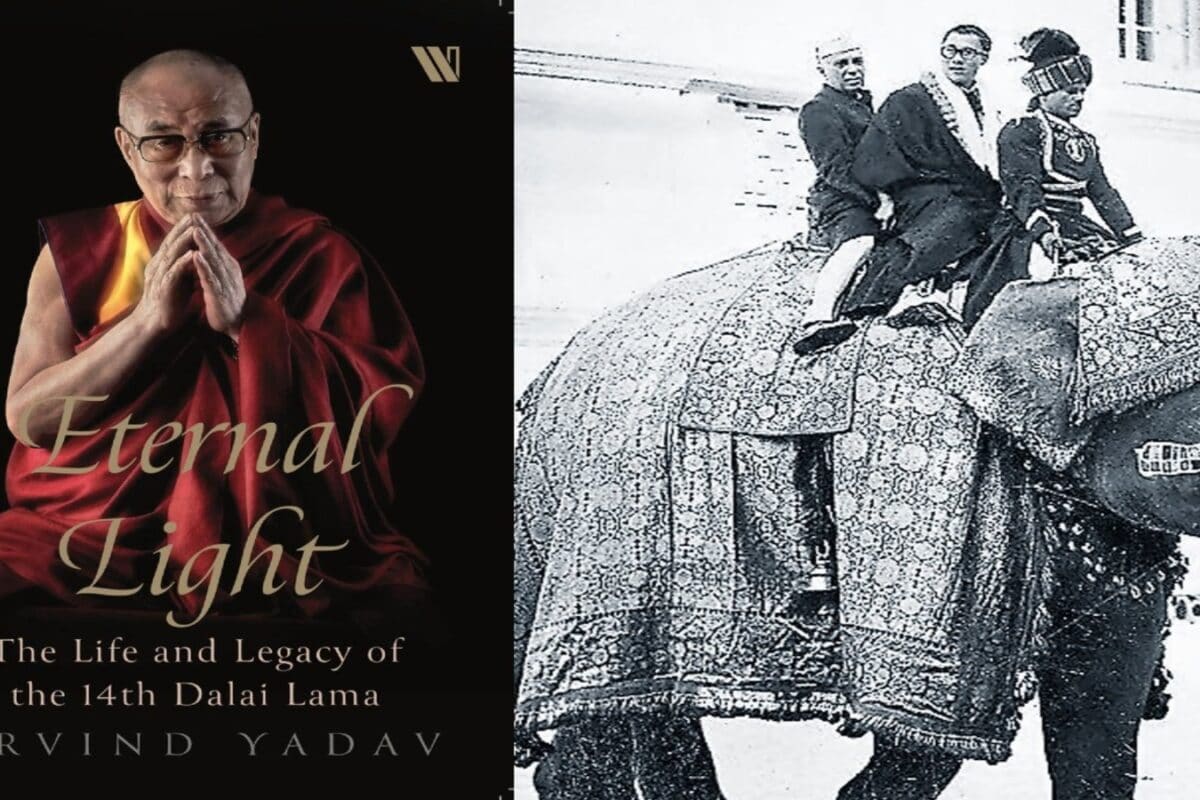
A Relationship Forged In Exile: New Biography Details Dalai Lama’s Ties With Nehru, Indira & Rajiv Gandhi Published By, Last Updated: July 04, 2026, 19:44 IST Titled 'Eternal Light: The Life and Legacy of the 14th Dalai Lama', the biography clarifies frequently misunderstood or misreported geopolitical events The book details a poignant, private conversation during the Buddha Jayanti celebrations where the Dalai Lama confessed to Indian Prime Minister Jawaharlal Nehru that he could no longer return to Tibet due to China’s aggressive cultural suppression. Images: News18/X Marking the lead-up to the 91st birthday of His Holiness the 14th Dalai Lama, Westland Books has announced the opening of pre-bookings for a definitive new biography titled Eternal Light: The Life and Legacy of the 14th Dalai Lama. Written by veteran journalist and author Dr Arvind Yadav, the volume has been produced with the personal blessings of the spiritual leader. The biography is scheduled for a worldwide release on July 30 and will be available across major platforms in English, Hindi, and Telugu, offering an exhaustive account of Tibet’s modern history and its community in exile.
The biography draws extensively from rare historical archives to chronicle the Dalai Lama’s journey from a quiet life of monastic study to the centre stage of global politics. Moving extracts from the book reveal intimate details of his birth on the stormy morning of July 6, 1935, in a small Tibetan village. Born restfully to his mother, Diki Tsering, the child was originally named Lhamo Thondup. The text describes how a neighbour rushed over to report a rainbow touching the roof of the house at the moment of his arrival. By November 1939, the young boy was formally bestowed with his sacred name, Jamphel Ngawang Lobsang Yeshe Tenzin Gyatso, before being carried in a golden palanquin to the Potala Palace for his official enthronement ceremony on February 22, 1940. A significant portion of the biography clarifies frequently misunderstood or misreported geopolitical events, specifically highlighting the Dalai Lama’s complex early interactions with Indian and Chinese leadership. The book details a poignant, private conversation during the Buddha Jayanti celebrations where the Dalai Lama confessed to Indian Prime Minister Jawaharlal Nehru that he could no longer return to Tibet due to China’s aggressive cultural suppression.
While Nehru initially urged adherence to the Seventeen-Point Agreement, noting that no foreign nation had officially recognised Tibetan independence, he later facilitated a tense dialogue with Chinese Premier Zhou Enlai, who warned the spiritual leader’s brothers that remaining in India would bring harm to the Tibetan people. Beyond those initial years of displacement, Eternal Light sheds fresh light on the Dalai Lama’s deep-seated relationships with subsequent Indian leaders, recounting the global shock of Indira Gandhi’s assassination in 1984 on the very day she was scheduled to dine with him and the supportive transition under Rajiv Gandhi. The narrative culminates in the formalisation of international political backing, charting his historic 1987 address to the United States congress where he unveiled his Five-Point Peace Plan to transform Tibet into a zone of Ahimsa. Commenting on the release, publisher and editor Minakshi Thakur stated that the book provides fascinating, previously unverified glimpses into the leader’s life, setting the record straight on a narrative that continues to shape modern Asian geopolitics.
 The BriefWire