Explained: How Ukraine Is Taking The War Deep Inside Russia
Explained: How Ukraine Is Taking The War Deep Inside Russia Written By, Last Updated: July 04, 2026, 19:54 IST Ukraine's deep-strike campaign has expanded the
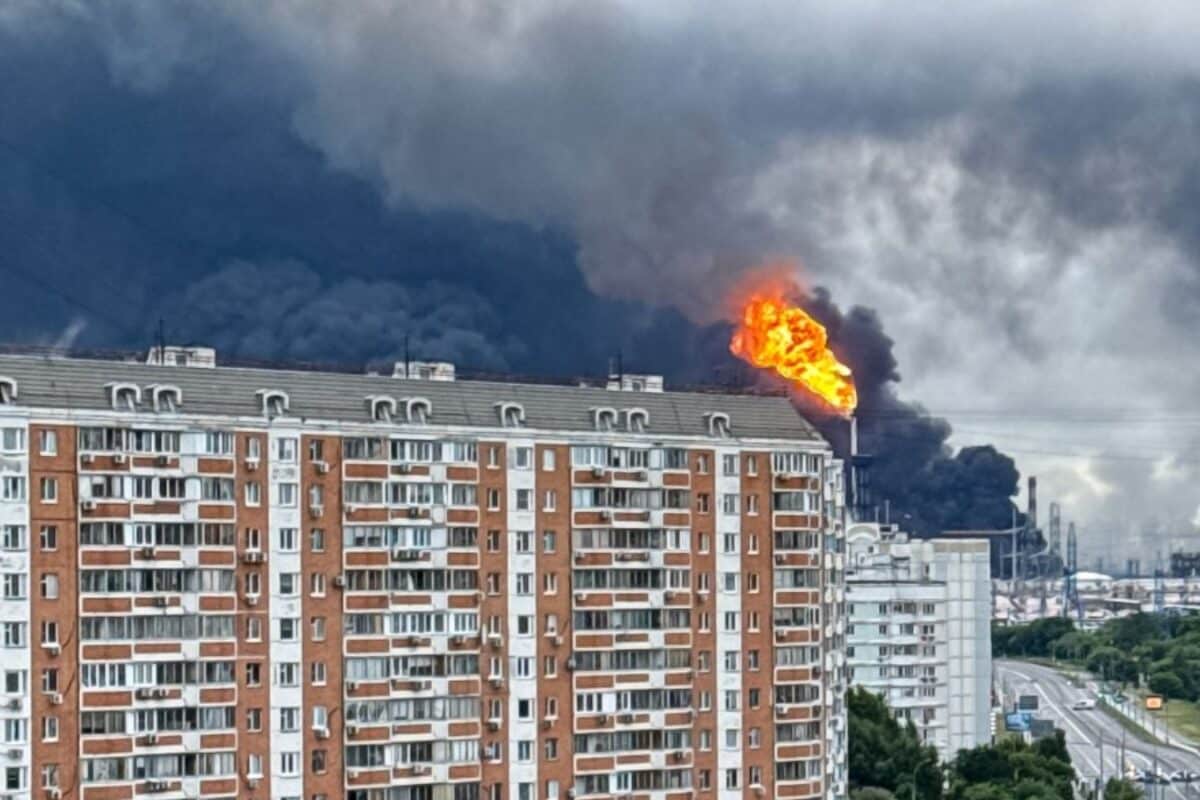
Explained: How Ukraine Is Taking The War Deep Inside Russia Written By, Last Updated: July 04, 2026, 19:54 IST Ukraine's deep-strike campaign has expanded the geographical scope of the conflict, forcing Russia to defend infrastructure far beyond the front lines. Rapid Read Black smoke rises from the area of the Russian oil producer Gazprom Neft's Moscow oil refinery on the south-eastern outskirts of Moscow on June 18, 2026. (Photo: AFP) More than four years after Russia launched its full-scale invasion of Ukraine in February 2022, the battlefield is no longer confined to Ukrainian territory. In recent months, Ukraine has significantly expanded its long-range strike campaign, targeting Russian oil infrastructure, defence manufacturing facilities and military airbases hundreds of kilometres from the border. The strategy marks a shift from primarily defending against Russian advances to increasingly taking the fight inside Russia. The campaign has forced Moscow to strengthen air defences around critical infrastructure and military assets while highlighting Ukraine’s growing domestic weapons capabilities. Why Is Ukraine Striking Deep Inside Russia? Ukraine says its long-range strikes are aimed at weakening Russia’s ability to sustain its war effort. The primary targets have included: oil refineries, fuel storage depots, energy export facilities, defence manufacturing plants, military airbases and logistics hubs. Kyiv argues that disrupting fuel production and military manufacturing can reduce Russia’s ability to support frontline operations while increasing the economic cost of the war.
Several strikes have also reached regions near Moscow, underscoring Ukraine’s ability to hit targets deep inside Russian territory. Has Russia’s Energy Sector Been Affected? Russia remains one of the world’s largest oil producers and exporters. However, repeated Ukrainian attacks have damaged several refineries and fuel storage facilities. The strikes have periodically disrupted refining operations and prompted temporary fuel supply restrictions in some Russian regions. Moscow has responded by repairing damaged facilities, increasing security around energy infrastructure and strengthening air defence coverage. Energy infrastructure has become one of the most contested fronts of the war, with both Russia and Ukraine repeatedly targeting each other’s power and fuel facilities. What Weapons Is Ukraine Using? Ukraine has increasingly relied on domestically developed long-range weapons, reducing dependence on Western-supplied systems, many of which have operational restrictions on strikes inside Russia. Among the systems reported to have been used are long-range cruise missiles and attack drones developed by Ukrainian manufacturers. One example is the FP-5 Flamingo, a domestically produced cruise missile that has been linked by open-source analysts to strikes on Russian military-industrial facilities, including the Titan-Barrikady defence plant in Volgograd. What Are Hybrid Missile-Drones? Ukraine has also introduced a new category of long-range weapons, often described as hybrid missile-drones. Systems such as the Bars combine features of cruise missiles and drones.
 The BriefWire