‘Govt Monitoring Potential Drought Conditions’: Amit Shah As India Records Fifth-Driest June Since 1901
‘Govt Monitoring Potential Drought Conditions’: Amit Shah As India Records Fifth-Driest June Since 1901 Published By, Last Updated: July 04, 2026, 00:32 IST According to
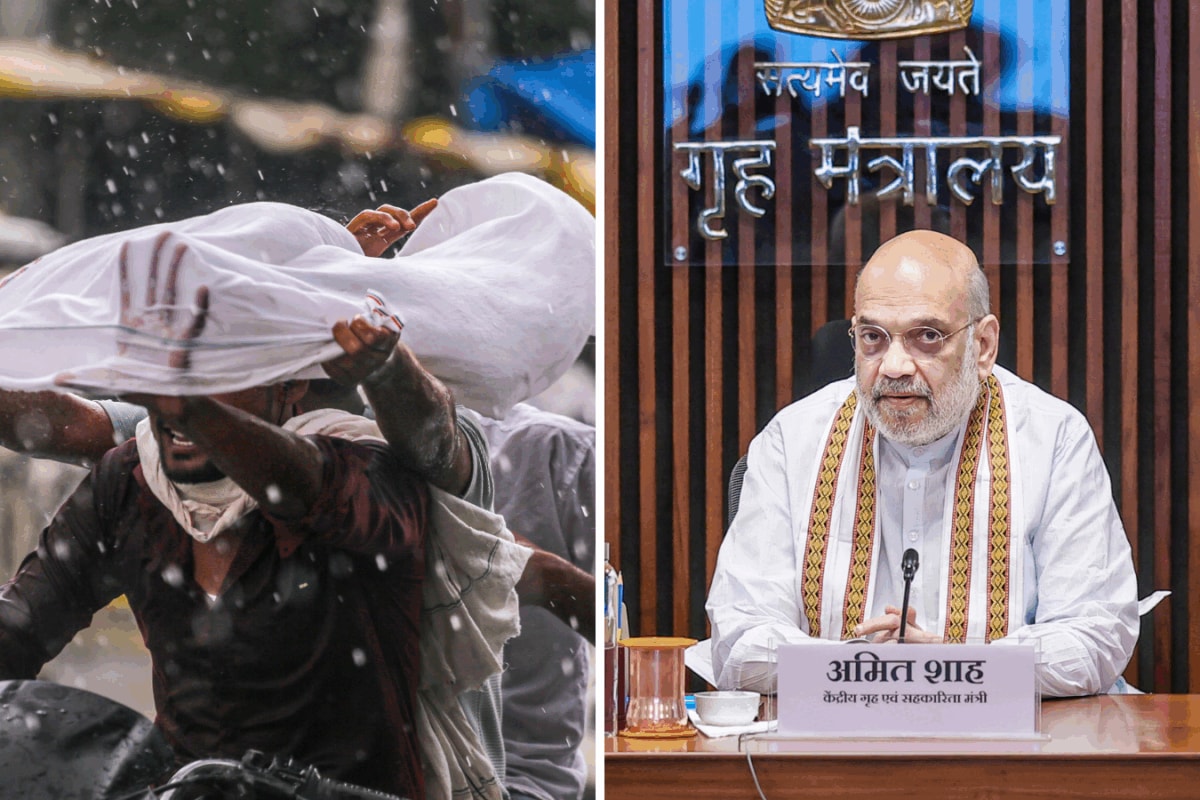
‘Govt Monitoring Potential Drought Conditions’: Amit Shah As India Records Fifth-Driest June Since 1901 Published By, Last Updated: July 04, 2026, 00:32 IST According to the India Meteorological Department (IMD), June 2026 was the fifth-driest June since rainfall records began in 1901. Union Home Minister Amit Shah chairs a meeting regarding below-normal rainfall and its impact in certain parts of the country. (Source: PTI) The Centre is closely monitoring the below-normal monsoon and potential drought conditions in parts of the country, Union Home Minister Amit Shah said on Friday after chairing a high-level review meeting on the rainfall situation. The meeting, attended by Union Agriculture Minister Shivraj Singh Chouhan and senior officials from multiple ministries and agencies, reviewed the impact of deficient rainfall in parts of the country due to El Niño and discussed measures to minimise its effect on agriculture and water resources. India Records Fifth-Driest June Since 1901 According to the India Meteorological Department (IMD), June 2026 was the fifth-driest June since rainfall records began in 1901. The country received 99.5 mm of rainfall against the normal 165.3 mm during the month, registering a deficit of about 39.8%. “The government is continuously monitoring the situation regarding below-normal rainfall and potential drought conditions in certain parts of the country due to El Nino," Shah said, directing the agriculture ministry and other central ministries to remain vigilant.
Also Read: After The ‘Cruel Summer’, Monsoon Arrived In Delhi. But Where Is The Rain? He also asked officials to coordinate with state governments and advise farmers on suitable crops for the ongoing kharif sowing season. According to an official statement, Shah and Chouhan “reviewed the situation regarding below-normal rainfall and its impact in certain parts of the country due to El Nino." ‘Promote Crops That Need Less Water’ Shah stressed the need to ensure adequate electricity supply to farmers, keep a close watch on reservoir water levels and promote crops that require less water. The home minister instructed the Department of Water Resources to monitor reservoirs across the country and emphasised the cultivation of less water-intensive crops such as fodder, millets and pulses. He also directed the Power Secretary to take necessary steps to ensure an uninterrupted and adequate supply of electricity. The government said sufficient stocks of essential food grains, including rice and wheat, are available, while prices of essential commodities remain stable. The rainfall deficit has already affected kharif sowing. As of June 25, the area under kharif crops stood at 182.72 lakh hectares, down 23 per cent from the corresponding period last year.
 The BriefWire