Maltese tycoon faces trial over Caruana Galizia murder
The Maltese businessman accused of masterminding journalist Daphne Caruana Galizia’s 2017 murder is in court — seven years after his arrest. Five other men have
The Maltese businessman accused of masterminding journalist Daphne Caruana Galizia’s 2017 murder is in court — seven years after his arrest. Five other men have already been found guilty for their roles in the murder. Plotting a murder in a potato shed; tens of thousands of euros handed over in a brown envelope. The trial of Yorgen Fenech, the 44-year-old heir to a Maltese property empire, is full of details about how the car-bomb murder of the anti-corruption journalist Caruana Galizia was conceived and carried out. The start of proceedings this week in a Valletta courtroom is a development many feared would never happen, after many delays and legal challenges. Fenech was arrested in 2019 on his yacht as he presumably tried to escape Malta after being connected with the killing that had happened two years earlier. He is named in the indictment as the instigator of the plot, facing charges of complicity in homicide and criminal association with the perpetrators as the last of seven men to face trial over the assassination that rocked the country. The attorney general is calling for a life sentence on the murder charge and up to 30 years for the criminal association charge.
Fenech rejects the charges. Last-minute maneuver The case almost stalled again just days before it was scheduled to begin. In a petition filed with the Constitutional Court on June 25th, Fenech claimed his right to a fair trial had been violated due to the alleged installation of a listening device in a prison meeting room where he spoke with his lawyers. The court agreed to examine his complaint but ultimately rejected his request to suspend proceedings and went ahead with jury selection on July 1. This process itself proved difficult due to concern over the possible impact of intense media interest and its potential impact on the panel. The two sides took five hours to agree on jurors, and officials had to intervene after one reserve juror fainted as temperatures climbed to 33°C. Under Maltese law, jurors will be sequestered for the trial's full duration, housed in a hotel and barred from phones, computers or smartwatches. What prosecutors allege and are asking for At the time of her death, Caruana Galizia was investigating a controversial power station deal linked to Fenech, and it later emerged he owned a secretive offshore company "17 Black," which she had also been probing.
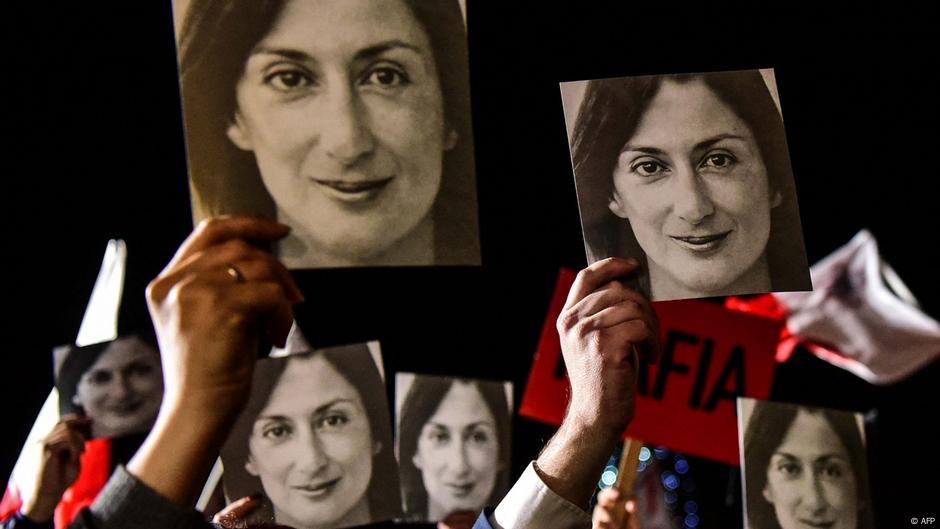
Many in Malta though Fenech would never face justice Image: AP Photo/picture alliance According to the indictment, Fenech first approached his friend, taxi driver Melvin Theuma, about taking out Caruana Galizia, whom he feared was about to publish damaging revelations about him and an uncle. Theuma then contacted brothers Alfred and George Degiorgio, agreeing on a fee of €150,000, which he says he received from Fenech in cash inside a brown envelope. Theuma later received a presidential pardon in exchange for his testimony against Fenech and has been living under a witness protection program since 2019. In June 2025, the men accused of supplying the explosives, Robert Agius and Jamie Vella, were sentenced to life in prison with no chance of parole. The Degiorgio brothers are serving 40-year terms for planting and detonating the bomb, and accomplice Vincent Muscat is serving 15 years. Public holds government accountable Caruana Galizia had spent years exposing corruptionat the highest levels of Maltese politics and business, and her killing sparked international outrage, putting a spotlight on rule of law in the EU's smallest member state.
 The BriefWire