After The 'Cruel Summer', Monsoon Arrived In Delhi. But Where Is The Rain?
After The 'Cruel Summer', Monsoon Arrived In Delhi. But Where Is The Rain? Reported By, Last Updated: July 03, 2026, 20:01 IST Lack of widespread
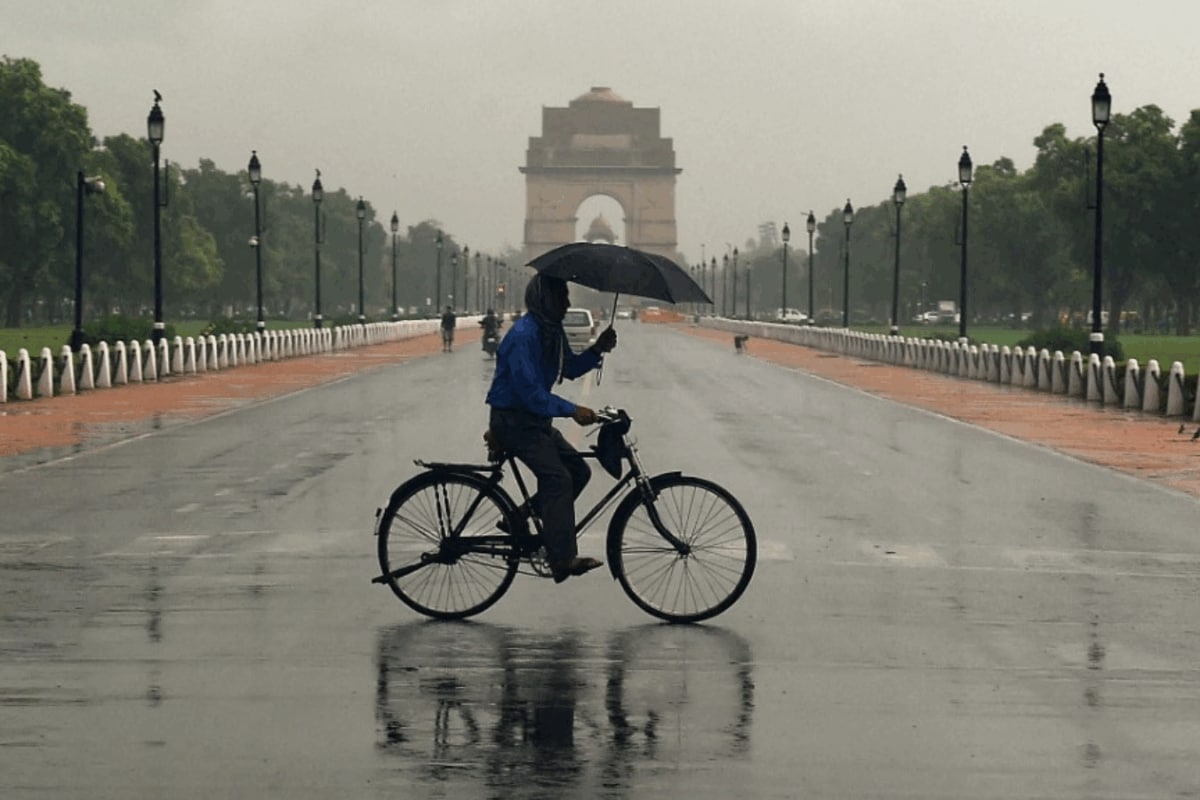
After The 'Cruel Summer', Monsoon Arrived In Delhi. But Where Is The Rain? Reported By, Last Updated: July 03, 2026, 20:01 IST Lack of widespread rainfall has left many wondering why Delhi remains largely dry despite the official monsoon declaration. The city is likely to see heavy rain from July 5. Rapid Read The weather forecaster explained that the key reason behind the dry spell is the current position of the monsoon trough — a long belt of low pressure that largely determines where the heaviest monsoon rains occur. (Representational image by MONEY SHARMA / AFP) After enduring a cruel summer with temperatures soaring above 45 degrees Celsius for weeks, Delhi finally welcomed the Southwest Monsoon on Thursday. However, apart from a few brief morning showers in isolated areas, the much-awaited rains have largely remained missing. The monsoon arrived five days later than its normal onset date of June 27.
It is also the first time since 2021 that the monsoon has entered the national capital in July. The lack of widespread rainfall has left many wondering why the city remains largely dry despite the official declaration of the monsoon. Mahesh Palawat, Vice President of Meteorology & Climate Change at Skymet Weather, said that the arrival of the monsoon does not automatically translate into widespread rainfall. “The declaration of the monsoon does not mean it will immediately start raining everywhere. It is announced after specific weather conditions, such as increased humidity, the onset of easterly winds and changes in wind patterns, are observed. These conditions were met in Delhi, which is why the monsoon was declared," Palawat told News18.com. The weather forecaster explained that the key reason behind the dry spell is the current position of the monsoon trough — a long belt of low pressure that largely determines where the heaviest monsoon rains occur.
“The monsoon trough is currently positioned over central India, stretching across Odisha and Madhya Pradesh. This has concentrated moisture over Madhya Pradesh, Maharashtra, Gujarat and parts of Rajasthan, where heavy rainfall is expected over the next 24 hours. Since the trough is away from north India, Delhi, Haryana and parts of Uttar Pradesh are not receiving significant rainfall," Palawat told News18. The monsoon trough acts as the main pathway for moisture-laden winds from the Arabian Sea and the Bay of Bengal. When it shifts, the rain belt shifts with it. Palawat said the situation is expected to change over the next couple of days, and good rainfall will begin in the NCR from the night of July 5. “As the current weather system weakens, the monsoon trough will gradually shift northwards by the night of July 5. Once that happens, moisture will move into Delhi-NCR and surrounding areas, leading to widespread rainfall on July 5, 6 and 7," he said.
 The BriefWire