Profits over health? Inside story of India's U-turn on carcinogenic fungicide Thiram
This is not just the story of a chemical fungicide. It is a story about the tug-of-war between policymakers, the influence of agrochemical companies, and
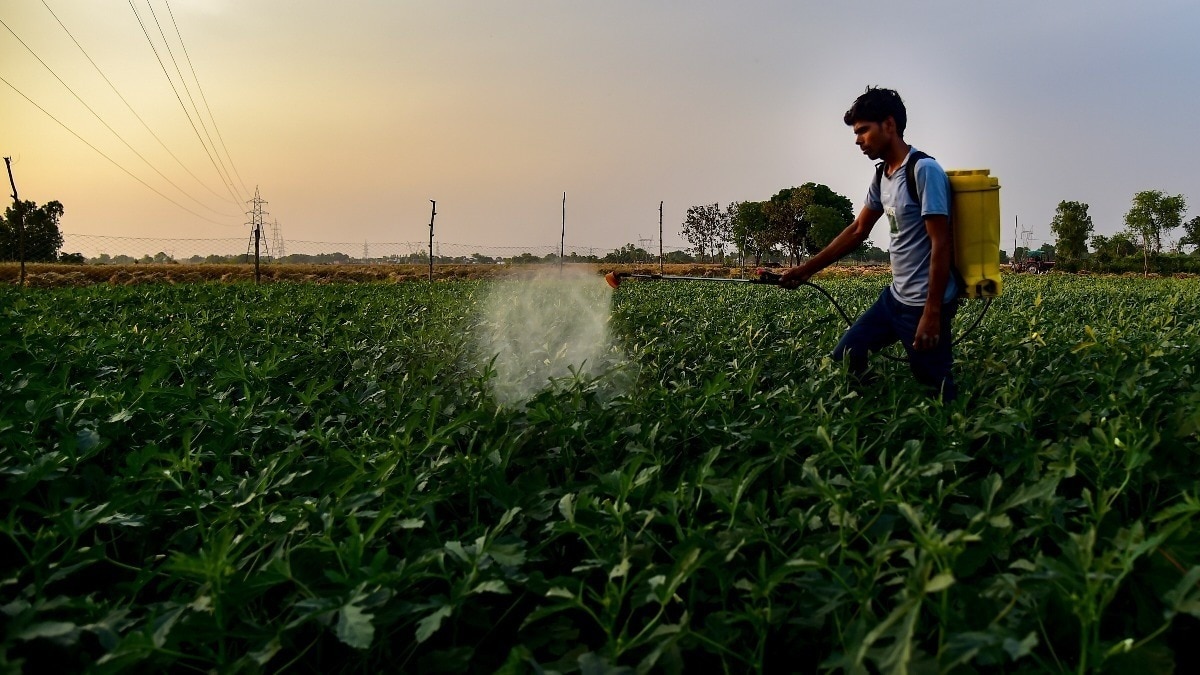
This is not just the story of a chemical fungicide. It is a story about the tug-of-war between policymakers, the influence of agrochemical companies, and public health, where farmers and consumers often end up paying the price. At the centre of the controversy is Thiram, a fungicide that has been banned for years in the European Union and several other developed countries over concerns about its impact on human health and the environment. Yet, despite these restrictions abroad, the chemical continues to be legally sold and widely used in India. Read Full Story This report examines Thiram's history, the scientific concerns surrounding it, the regulatory decisions that allowed it to remain in the Indian market, and the debate over safer alternatives. WHAT GOVERNMENT SCIENTISTS FOUND In 2020, India's Ministry of Agriculture released a draft gazette proposing restrictions on 27 pesticides, including Thiram. The proposal was based on assessments by government scientists and expert committees, who raised serious concerns about the fungicide's health and environmental risks. According to the draft, one of the major concerns was that Thiram breaks down into by-products, including metabolites M1 and NDMA (N-Nitrosodimethylamine). NDMA is widely recognised as a potent carcinogenic contaminant and has been linked to cancer risks.
The draft also referred to studies conducted by the European Union, saying that Thiram is considered a Category 1 endocrine disruptor, meaning it has the potential to interfere with the body's hormonal system. Beyond human health, experts warned that the chemical can persist in soil, water, and air for extended periods. It may harm beneficial soil microorganisms, affect bird reproduction, and pose significant risks to aquatic organisms and fish. Based on these findings, the draft recommended a complete ban on the import, manufacture, sale, transport, and agricultural use of Thiram. THE SCIENTIFIC DEBATE Supporters of Thiram often point out that the World Health Organisation's International Agency for Research on Cancer (IARC) has not classified Thiram itself as a confirmed human carcinogen. However, scientists have highlighted concerns over NDMA, which can form under certain conditions and is recognised internationally as a probable human carcinogen. European regulators also cited endocrine-disrupting properties and environmental persistence among the key reasons for withdrawing approval for the fungicide. FROM THE RUBBER INDUSTRY TO INDIAN FARMS Thiram has an unusual history. It was not originally developed for agriculture. The chemical was first used in the rubber industry during the 1920s as an accelerator in rubber vulcanisation.
 The BriefWire