First underwater home for scientists installed 17 metres below the Florida Keys
Underwater habitat system installed at 17-metre depth in Florida Keys Final testing phase begins for Vanguard underwater habitat system Vanguard advances DEEP’s vision for permanent
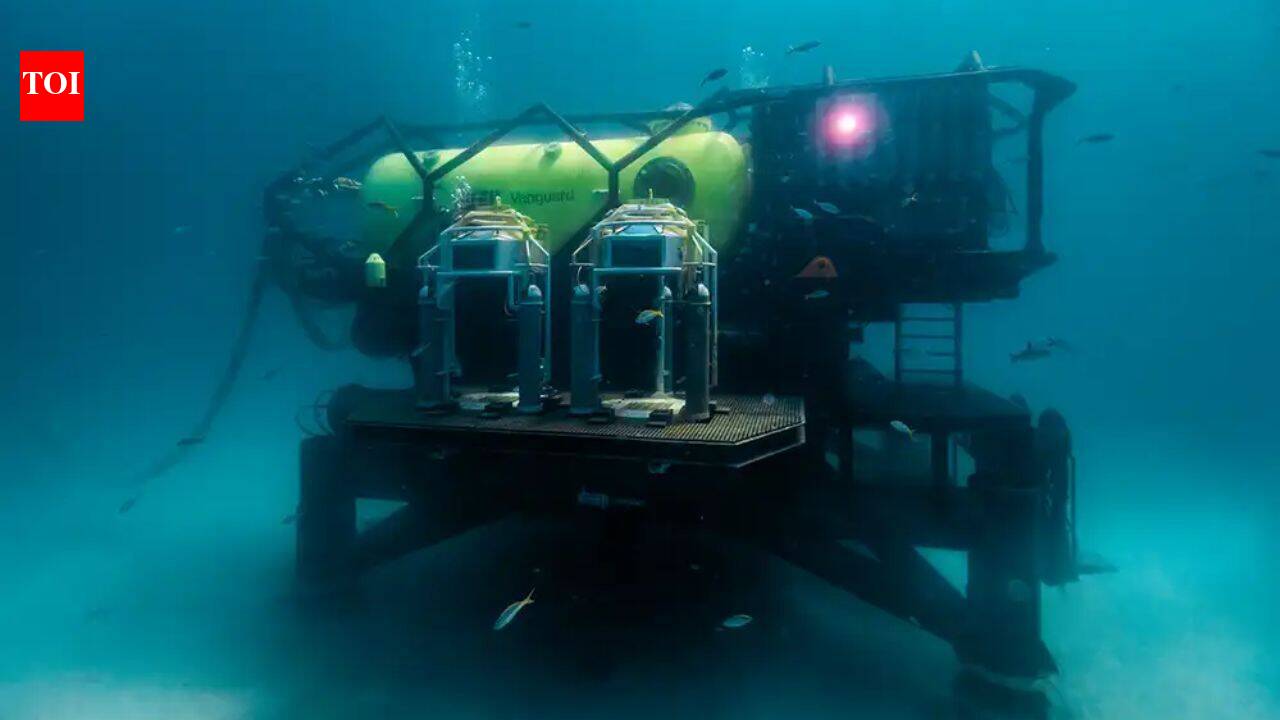
Underwater habitat system installed at 17-metre depth in Florida Keys Final testing phase begins for Vanguard underwater habitat system Vanguard advances DEEP’s vision for permanent underwater living infrastructure Scientific and operational applications Vanguard becomes first operational step in DEEP’s modular underwater habitat programme DEEP has completed the installation of Vanguard, its pilot subsea human habitat, at Tennessee Reef in the Florida Keys Marine Sanctuary. The system now sits 17 metres below the water’s surface following a complex marine operation, marking a significant milestone in subsea engineering and long-duration underwater research capability.The installation enables multi-day subsea missions, allowing crews of up to four aquanauts to live and work underwater for extended periods. These missions are designed to support marine science research, coral reef restoration, environmental monitoring, climate impact studies, and human performance research in extreme environments.With Vanguard now in place, the project moves into its next stage: commissioning, sea acceptance testing, and operational training ahead of initial crewed missions.Vanguard was deployed through a staged marine operation involving the placement of an ocean floor foundation, securing the habitat structure onto it, and tethering a surface support buoy nearby to maintain operational connectivity.The complete system now rests on the sandy seabed at a depth of 17 metres (56 ft).
The habitable module measures 10.7 metres in length and 2.5 metres in width, designed to support small teams living underwater for missions lasting five or more days.The deployment was carried out within the Florida Keys Marine Sanctuary, a protected and scientifically significant marine environment where careful installation was required to minimise disturbance to the surrounding reef ecosystem.With installation complete, Vanguard is now undergoing sea acceptance testing and commissioning, the final stages before formal operational use. These processes will assess system performance under real underwater conditions, including life-support systems, structural stability, communications, and pressure regulation.The habitat is also progressing toward DNV classification. DNV, a global leader in maritime certification, has been involved throughout the design and construction process, providing independent verification that the system meets established engineering and safety standards for subsea infrastructure.Following successful completion of this phase, DEEP will begin training support crews and aquanauts ahead of the first research missions at Tennessee Reef.According to DEEP, Vanguard represents a foundational step in a broader programme to establish long-term ocean infrastructure designed to support sustained human presence underwater.
 The BriefWire