'Indus Waters Treaty Remains In Abeyance': India Reiterates Stance Amid Pakistan's Warnings
'Indus Waters Treaty Remains In Abeyance': India Reiterates Stance Amid Pakistan's Warnings Published By, Last Updated: July 03, 2026, 17:23 IST India has reaffirmed that
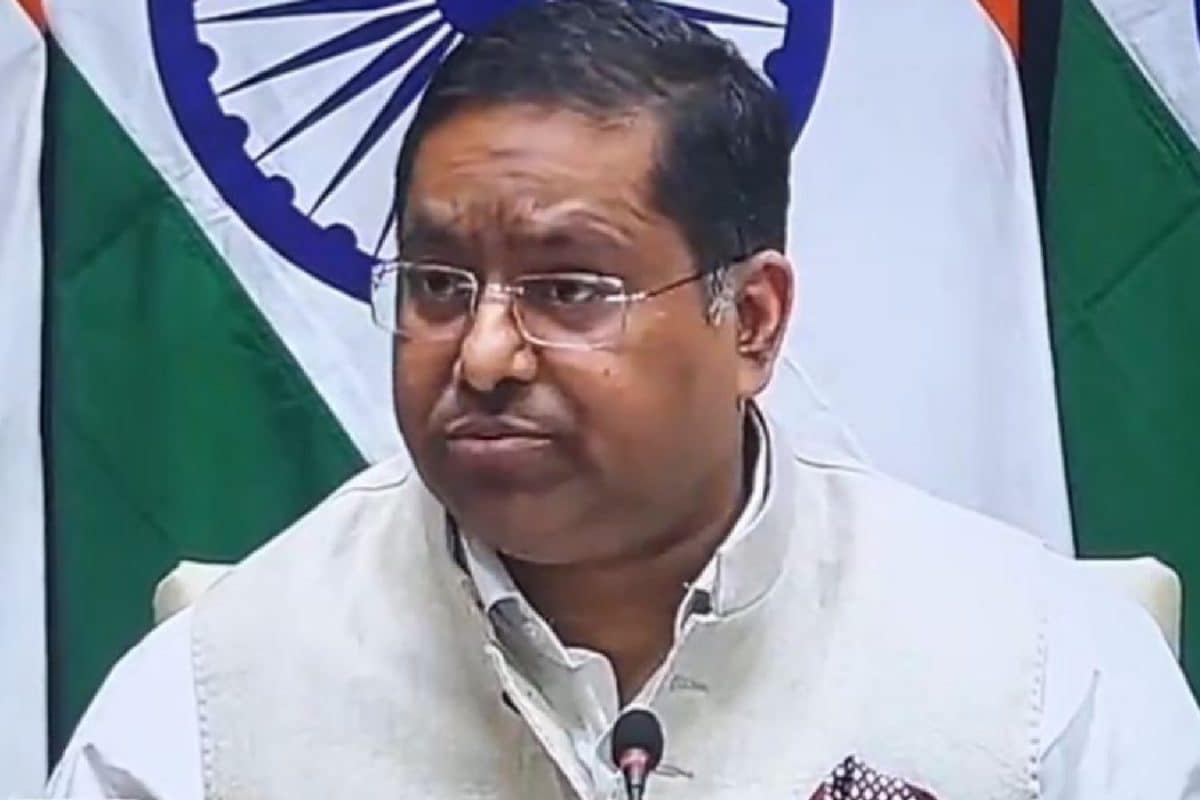
'Indus Waters Treaty Remains In Abeyance': India Reiterates Stance Amid Pakistan's Warnings Published By, Last Updated: July 03, 2026, 17:23 IST India has reaffirmed that the Indus Waters Treaty will remain in abeyance until Pakistan credibly ends its support for cross-border terrorism. Rapid Read India’s position on the Indus Waters Treaty is consistent. said Ministry of External Affairs (MEA) spokesperson Randhir Jaiswal in a weekly press briefing. India on Thursday reiterated that the Indus Waters Treaty (IWT) will remain in abeyance in response to Pakistan’s criticism, maintaining that its position on the decades-old water-sharing agreement has not changed. “India’s position on the Indus Waters Treaty is consistent. The IWT remains in abeyance in response to Pakistan’s continued sponsorship of cross-border terrorism," said Ministry of External Affairs (MEA) spokesperson Randhir Jaiswal in a weekly press briefing.
Jaiswal added that Pakistan must “credibly and irrevocably end its support for cross-border terrorism," underlining that India’s decision is directly linked to Islamabad’s continued backing of cross-border terror activities. India had placed the treaty in abeyance following the April 22 Pahalgam terror attack last year as part of a series of diplomatic and strategic measures against Pakistan. Delhi: MEA Spokesperson Randhir Jaiswal says, “India’s position on the Indus Waters Treaty is consistent. The IWT remains in abeyance in response to Pakistan’s continued sponsorship of cross-border terrorism. Pakistan must credibly and irrevocably end its support for cross-border… pic.twitter.com/jDAAORkXYC— IANS (@ians_india) July 3, 2026 The MEA’s remarks came after Pakistan rejected India’s decision to suspend the implementation of the 1960 Indus Waters Treaty and accused New Delhi of attempting to use water as a strategic tool. During his weekly press briefing, Pakistan Foreign Office spokesperson Tahir Andrabi dismissed India’s justification for the move, saying allegations of terrorism were being used as a pretext to obstruct Pakistan’s lawful share of water under the treaty.
The Indus Waters Treaty, signed in 1960 and brokered by the World Bank, governs the sharing of water from the Indus river system between the two countries. Under the agreement, Pakistan receives the waters of the western rivers Indus, Jhelum and Chenab while India has exclusive rights over the eastern rivers Ravi, Beas and Sutlej. Referring to an international seminar on the treaty held in Islamabad earlier this week, Andrabi said participants had opposed what he described as the “weaponisation of water." He also cited Pakistan’s Deputy Prime Minister and Foreign Minister Ishaq Dar, who maintained that the treaty could neither be suspended nor terminated under any pretext and described India’s decision as “illegal, unilateral and without any basis." When asked whether India’s move could leave Pakistan without adequate water resources, Andrabi rejected the suggestion, saying no country, including India, had the power to turn Pakistan into a barren land.
 The BriefWire