Iran Warns Of 'Forceful Response' Against Ships That Use Unapproved Routes In Hormuz
Iran Warns Of 'Forceful Response' Against Ships That Use Unapproved Routes In Hormuz Published By, Last Updated: July 03, 2026, 10:16 IST The US and
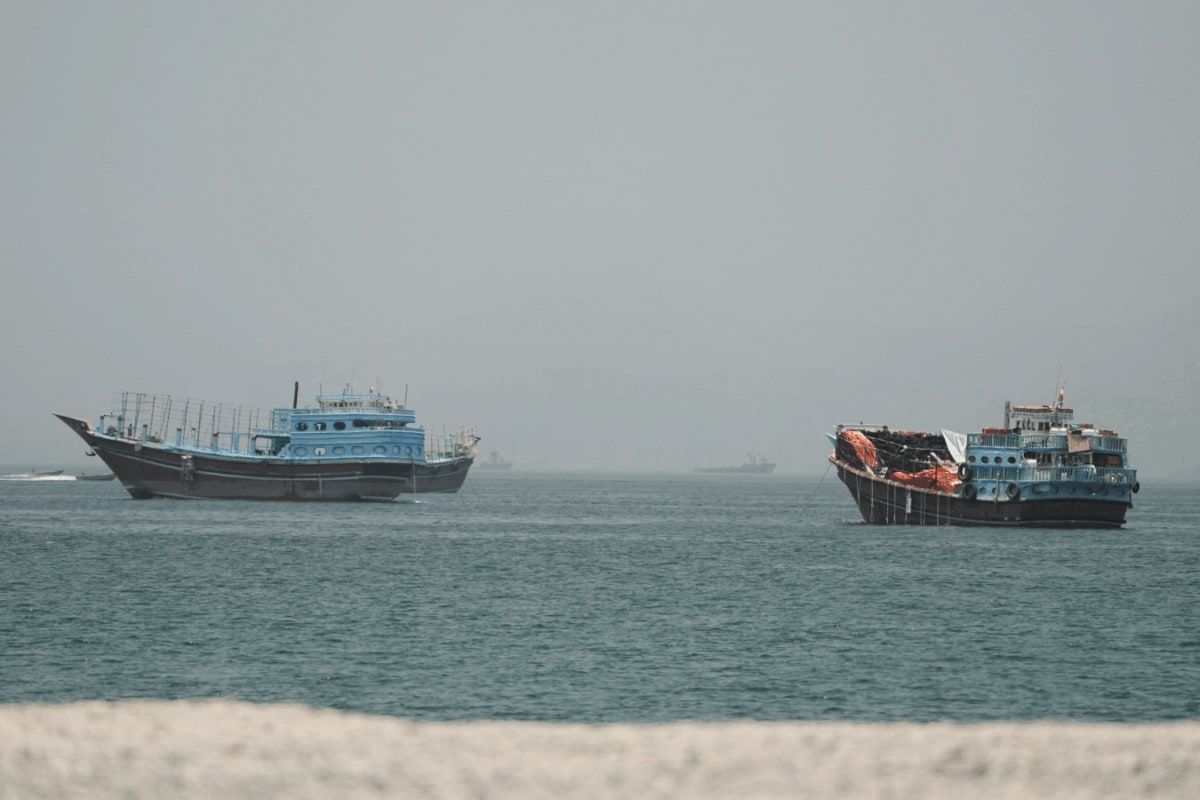
Iran Warns Of 'Forceful Response' Against Ships That Use Unapproved Routes In Hormuz Published By, Last Updated: July 03, 2026, 10:16 IST The US and Iran remain engaged in negotiations to finalise an agreement to end the war in West Asia that began February 28, killing Tehran's Supreme Leader Ayatollah Ali Khamenei Iran warns of 'forceful response' against ships that attempt to pass Hormuz using unverified routes | Image for representation: Reuters Iran has vowed a “forceful response" against ships that attempt to cross the Strait of Hormuz using unapproved routes, once again raising doubts over maritime security and trade flows through the key waterway. The development comes just a day after Qatari mediators said the indirect negotiations between the United States and Iran were making “positive progress" towards reaching a final peace agreement. Iran’s Khatam al-Anbiya Central Headquarters issued the threat, saying: “Any failure to comply with and depart from the designated route or disregard for the navigation protocols of the Islamic Republic of Iran in the Strait of Hormuz will be met with an immediate and forceful response from the armed forces, and will endanger the security of the offending vessels," according to the country’s semi-official Tasnim news agency.
Tehran’s warning followed a US Central Command (CENTCOM) announcement that it had presided over a security dialogue in Bahrain during which regional leaders called for the “free flow of commerce" in the Strait of Hormuz –– a critical maritime chokepoint that accounts for nearly one-fifth of the global energy flows. ‘Acceptance Of New Geopolitical Realities’ In a statement posted on ‘X’, Iran’s Deputy Minister of Foreign Affairs Kazem Gharibabadi stressed the CENTCOM could not establish the regulations for the Persian Gulf and called for the acceptance of “new geopolitical realities“. “The region’s security will be ensured through the end of interventions and the US withdrawal from the area, respect for countries’ sovereignty, and acceptance of new geopolitical realities – not under the military umbrella of America," Gharibabadi said. Soon after the start of the war, Iran blocked the key waterway that led to disruptions in trade flow across the globe.
Subsequently, energy prices skyrocketed in many countries, including the US, as global economies plunged into a complete state of chaos. At least 49 attacks on commercial vessels have been reported in the Strait of Hormuz since the start of the conflict involving the US, Iran and Israel, according to MarineTraffic. What’s Happening Now? The US and Iran remain engaged in negotiations to finalise an agreement to end the war in West Asia that began February 28, killing Tehran’s Supreme Leader Ayatollah Ali Khamenei. On Wednesday, the two sides held indirect negotiations in Doha. Neither of the parties indicated towards a progress in negotiations as the reopening of Hormuz and unfreezing of Iranian funds emerged as major sticking points. The next round of talks will be held after the burial ceremony of Iran’s slain Supreme Leader Ayatollah Ali Khamenei on July 9. News18 Newsletter Handpicked stories, in your inbox A newsletter with the best of our journalism submit Location: Tehran, Iran First Published: July 03, 2026, 10:16 IST News world Iran Warns Of 'Forceful Response' Against Ships That Use Unapproved Routes In Hormuz Disclaimer: Comments reflect users’ views, not News18’s.
 The BriefWire