Kashmir's Mutton Crisis: How A Transport Dispute Is Disrupting Wazwan And Weddings
Kashmir's Mutton Crisis: How A Transport Dispute Is Disrupting Wazwan And Weddings Published By, Last Updated: July 03, 2026, 10:36 IST At the heart of
Kashmir's Mutton Crisis: How A Transport Dispute Is Disrupting Wazwan And Weddings Published By, Last Updated: July 03, 2026, 10:36 IST At the heart of the crisis is a dispute over what Kashmir's livestock traders describe as an "illegal" transit levy imposed on trucks passing through Punjab Rapid Read Mutton prices in Kashmir have risen from around Rs 700 per kilogram to approximately Rs 750 per kilogram within days. (AI generated image) For most places, a shortage of mutton would simply mean higher prices at the butcher’s shop. In Kashmir, it is something far bigger. It threatens wedding celebrations, one of the Valley’s oldest culinary traditions, and the livelihoods of thousands of traders, caterers and livestock transporters. At the heart of the crisis is a dispute over what Kashmir’s livestock traders describe as an “illegal" transit levy imposed on trucks passing through Punjab. The standoff has disrupted the Valley’s mutton supply just as the wedding season reaches its peak. Why Is There A Mutton Shortage In Kashmir? Kashmir is one of India’s largest consumers of mutton. While sheep are reared locally, domestic production falls well short of demand, forcing the Valley to import a significant share of its livestock from Rajasthan, Haryana, Gujarat and parts of Uttar Pradesh.
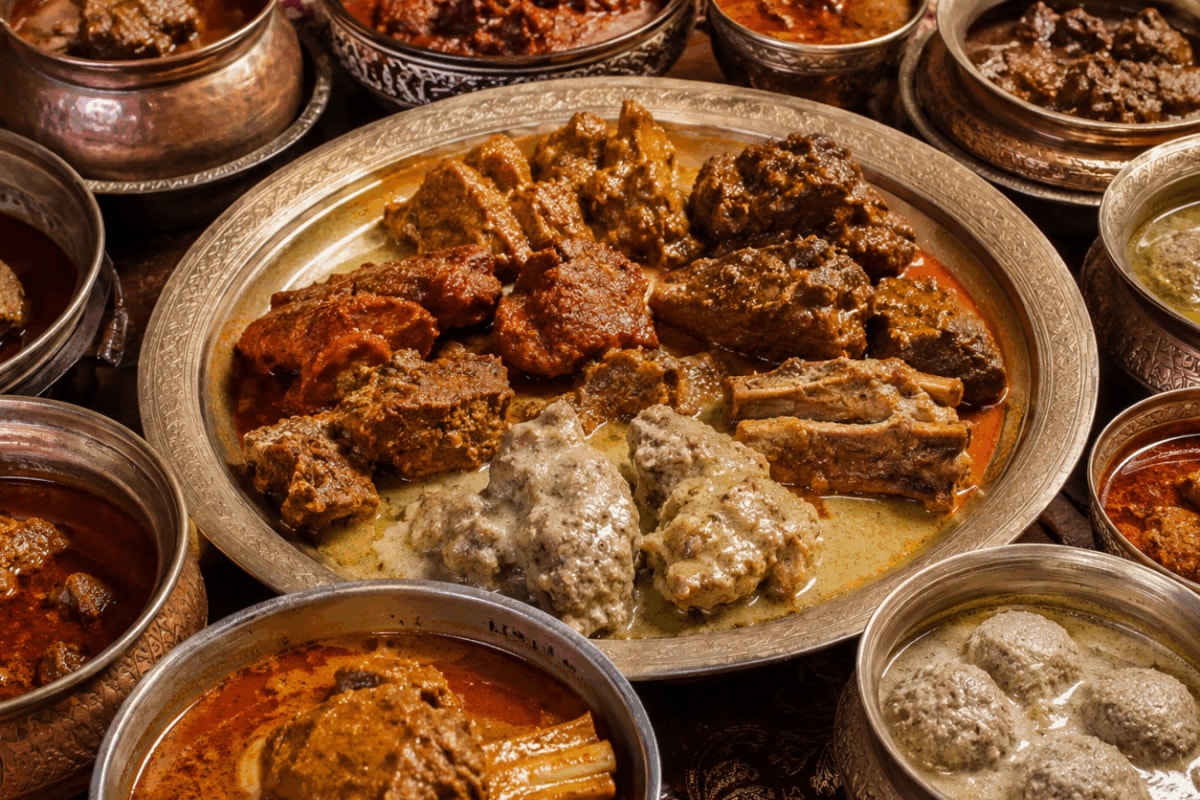
Those animals enter Jammu and Kashmir through Punjab. The trouble began when traders alleged that contractors operating in Punjab started collecting a transit charge of Rs 20,000-25,000 per truck carrying livestock. According to dealers, they already pay a 4 per cent tax in the state where they purchase the animals and argue that this additional payment has made transporting livestock economically unviable. As a result, many dealers have suspended fresh imports altogether. The financial impact is substantial. During the wedding season, traders estimate that livestock worth nearly Rs 12-14 crore enters Kashmir every day. With imports stalled for over a week, supplies have rapidly tightened. Why Weddings Are Bearing The Brunt Kashmir’s main marriage season runs from April to October, and no traditional wedding is complete without wazwan – the elaborate multi-course feast that is regarded as the culinary soul of Kashmiri culture. A typical wazwan can include more than 20 dishes, many of them mutton-based, such as rista, gushtaba, tabak maaz and rogan josh. For many families, the feast is not merely a meal but a symbol of hospitality and social prestige. With mutton becoming scarce, caterers have begun warning families that some traditional dishes may have to be dropped or reduced.
 The BriefWire