Russia’s Fuel Crisis Deepens: Is Ukraine’s Strategy Putting Putin Under Pressure?
Russia’s Fuel Crisis Deepens: Is Ukraine’s Strategy Putting Putin Under Pressure? Published By, Last Updated: July 03, 2026, 09:55 IST Ukrainian drone strikes on refineries
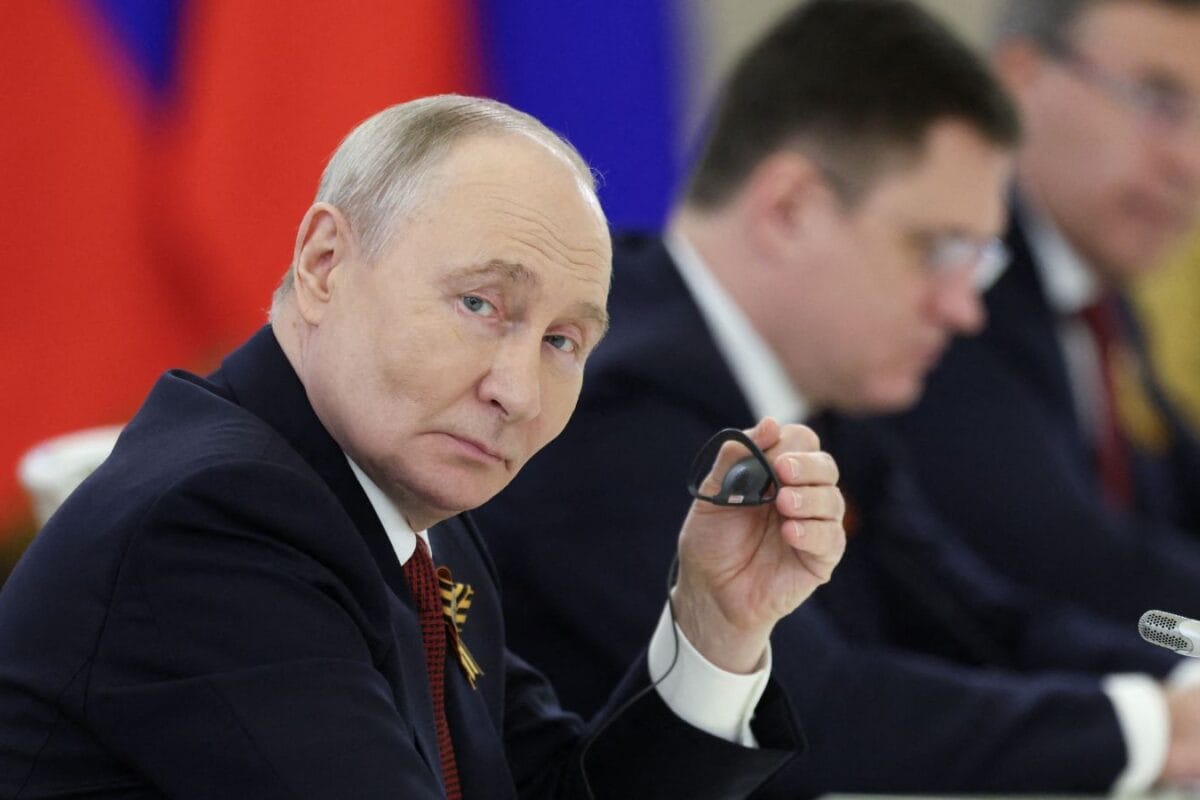
Russia’s Fuel Crisis Deepens: Is Ukraine’s Strategy Putting Putin Under Pressure? Published By, Last Updated: July 03, 2026, 09:55 IST Ukrainian drone strikes on refineries and depots have triggered shortages and price spikes across Russia, raising questions about whether they can alter Putin’s war calculus. Rapid Read Russian President Vladimir Putin. (AFP File Photo) Russia is facing a widening fuel crisis after months of Ukrainian drone attacks on oil refineries, depots and supply routes. The shortages have disrupted transport, pushed up petrol prices, affected essential services and raised concerns over the harvest season in one of the world’s biggest oil-producing countries. The pressure has also forced President Vladimir Putin to publicly acknowledge the problem after Moscow initially portrayed the shortages as localised disruptions. The crisis, however, is not simply about whether Russians can fill their cars. Ukraine’s campaign is aimed at damaging the refining and logistics network that supports both the Russian economy and its military operations. Kyiv hopes that sustained pressure on fuel supplies, especially in occupied Crimea and areas near the front, will weaken Moscow’s war effort and push it towards negotiations. The key question is whether the shortages are serious enough to alter Putin’s calculations. How Severe Is Russia’s Fuel Crisis? Ukrainian forces have been striking energy infrastructure in Russian regions and on the annexed Crimean Peninsula for several months. In June, refineries in Moscow, Nizhnekamsk, Tyumen and Volgograd were attacked, according to DW. Another 16 refineries were targeted in May. The damage has reportedly reduced Russian gasoline production by 25%. Reuters, citing sources, said the country is currently producing around 85,000 metric tonnes of gasoline a day, while summer demand stands at about 110,000 metric tonnes. “This summer, Russia appears to be heading toward what could be the worst fuel crisis in its history," experts at the US think tank Energy Intelligence told DW. The full geographical extent of the disruption remains unclear. Russian business outlet RBC estimated that 40 regions had introduced restrictions on fuel sales. Independent Russian outlet Vyorstka suggested that as many as 78 regions may be affected. Long queues have formed at filling stations in several cities. Drivers have started sharing maps and tips online about which petrol stations still have fuel and where waiting times are shorter. Social media footage has also shown tempers flaring and drivers fighting while waiting to refuel. 🇷🇺 ⛽ 🇺🇦 Russia struggles with fuel shortages amid Ukraine strikesRussia has introduced a swath of restrictions on petrol sales across the country, as Ukrainian strikes on its refineries, depots and logistics affect domestic supply.
 The BriefWire