As a Mumbaikar, I am glad I am away from Bambai ki baarish this year
There was a time when I waited for the first rains in Mumbai. Like millions who have lived in the city, I romanticised Mumbai's monsoon
There was a time when I waited for the first rains in Mumbai. Like millions who have lived in the city, I romanticised Mumbai's monsoon season. Cinema taught us to. Songs did too. Last year, just days before I moved to Delhi, I was at Juhu Beach when the monsoon arrived in Mumbai. I remember the sand whipping into my eyes, fat raindrops pelting my face hard, and lightning flashing over the Arabian Sea. The first day of "Bambai ki baarish", as always, was cinematic. I posted a Reel about it on Instagram, with a jazz backdrop. Typical of Mumbaikars. Read Full Story Mumbai without rains would be as dystopian as Gotham. Perhaps worse, because there's no Batman to save it. Rains fill the city's lakes — its main drinking water source, and also bring relief from the summer heat and the muggy air. Beyond these necessities, however, I find very little to romanticise about the rains now. Today, when I look at the news, I am relieved I am not in Mumbai. Before I explain why I feel entitled to make this argument, I should say that I have spent more than half my life in the city. I have watched it evolve from the city I knew in the late 1990s, into the megacity it is today, and I still return regularly. During my college years, I spent years riding my Bullet between Powai and Vile Parle. It's approximately a 10-km stretch. There was nothing I enjoyed more than those monsoon rides, despite the potholes, the waterlogging and the spray of muddy water from passing vehicles. Then, as it should with time for Mumbaikars, something changed. I moved to Bengaluru in 2019 for work and experienced a different kind of monsoon. In fact, Bengaluru sees monsoon twice — once when it arrives, and again when it retreats.
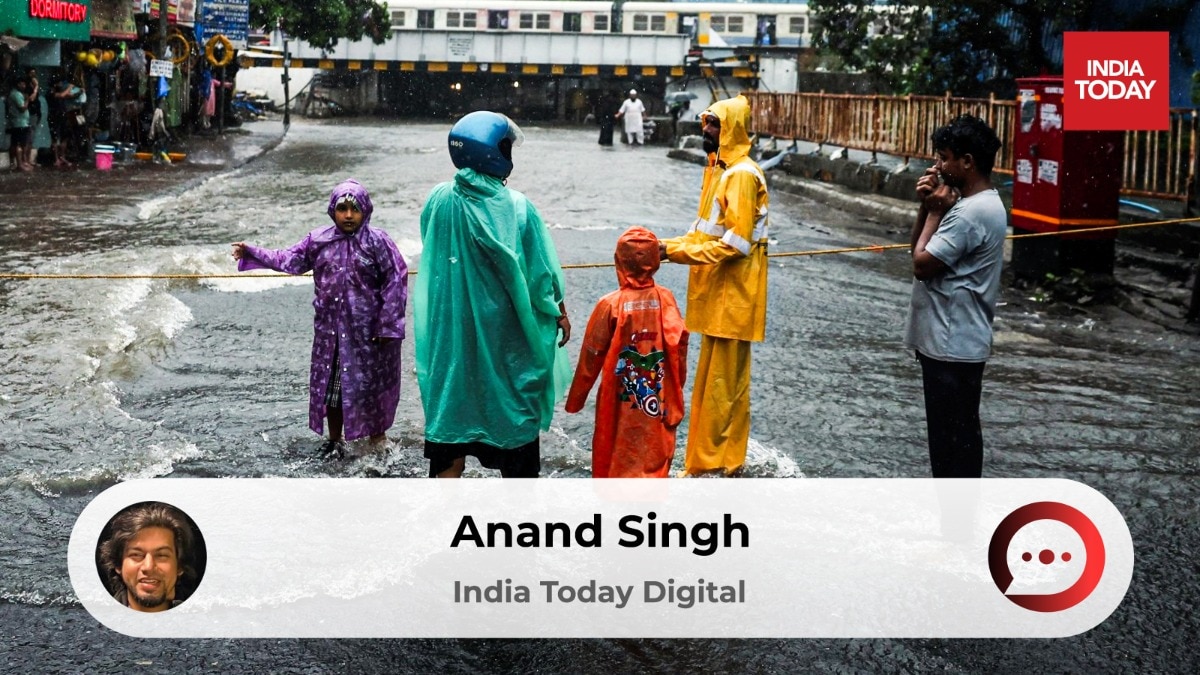
When I returned to Mumbai in May 2024 for a writing job at a local daily, my opinion about its rains had changed drastically. They say absence makes the heart grow fonder. It's merely a romantic cliche. My time away from Mumbai's monsoon didn't make me miss it. If anything, it stripped away its romance. Nissim Ezekiel, in his poem, 'A Morning Walk', called Mumbai, "Barbaric city sick with slums, / Deprived of seasons, blessed with rains..." Blessed with rains, yes. But also burdened by a monsoon that, year after year, exposes the city's weakest infrastructure and exacts the highest price from its residents. We Mumbaikars have long had a habit of celebrating chaos. Upon my return five years later, the humidity hit like a truck. Two minutes outside without AC and sweat soaked through clothes. This year, barely a week into the monsoon, the news from Mumbai is grim, and it makes me glad I am away. Let's have a look at why. Two college girls, 15-year-olds Shubhangi Nalawade and Ujwala Wagh, were electrocuted in Navi Mumbai near Nerul's LP Bridge. They stepped into waterlogged road where a short circuit electrified accumulated rainwater. They are hospitalised, but the videos of young students wading through flooded stretches under live wires are circulating. Most Mumbaikars are at risk of electrocution on waterlogged streets throughout the monsoon season. In Chembur, an 11-year-old boy, Vihan Shrivastav, died when a peepal tree fell on his school bus. Five other children were injured. Residents had warned the BMC about the tree. Notices flagged root damage from road works. Yet it stood until the rains came. Beaches vomited garbage, again. At Girgaon, Dadar, Juhu, Versova, and Silver beach. Tides and drains pushed waste back onto the sand. Videos showed piles of plastic and filth. This happens every year. In a local train, a 22-year-old, Mayank Lohar, was stabbed to death in a first-class coach.
 The BriefWire