'If The Situation Persists...' Hardeep Puri Hints At Long Wait For Cheaper Petrol And Diesel
'If The Situation Persists...' Hardeep Puri Hints At Long Wait For Cheaper Petrol And Diesel Written By, Last Updated: July 03, 2026, 08:56 IST Hardeep
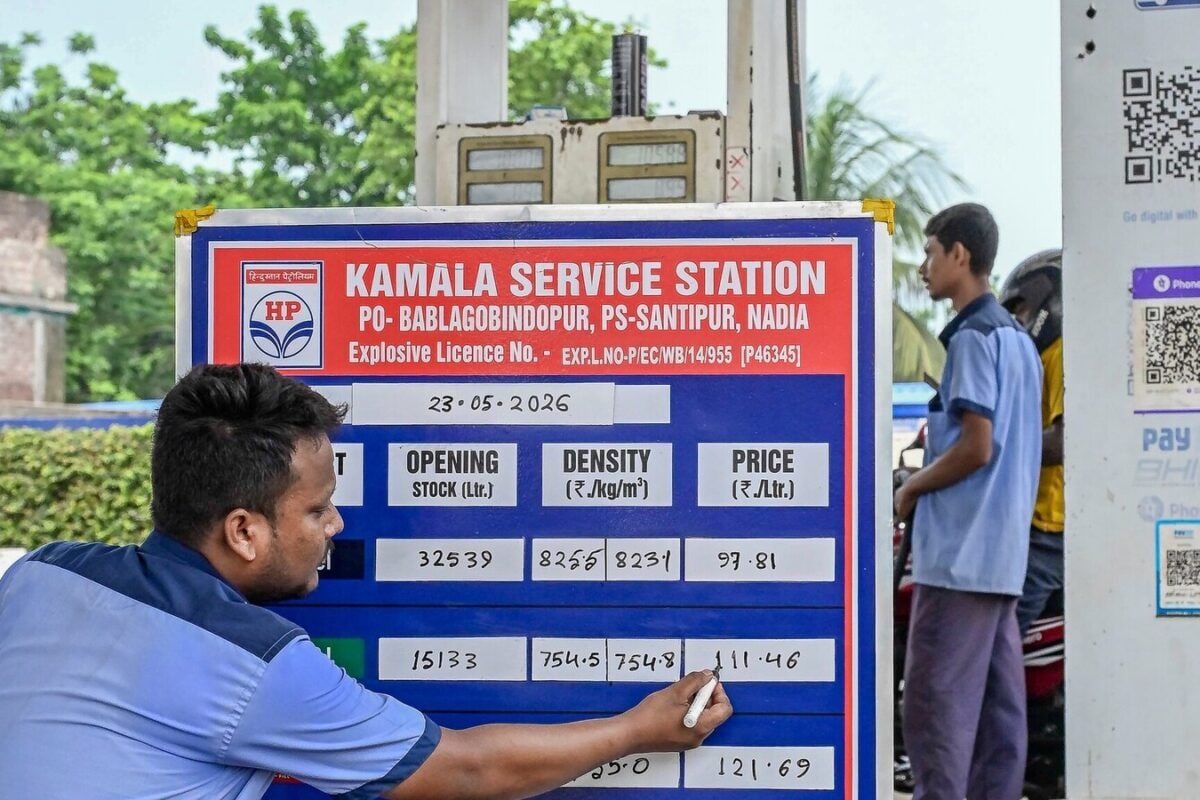
'If The Situation Persists...' Hardeep Puri Hints At Long Wait For Cheaper Petrol And Diesel Written By, Last Updated: July 03, 2026, 08:56 IST Hardeep Puri suggested consumers may have to wait two to three months before lower global crude prices are reflected at fuel pumps, provided international oil prices remain stable Rapid Read A worker updates the revised prices of petrol and diesel at a petrol pump, in Nadia, West Bengal. (PTI) Brent crude has slipped back to pre-conflict levels after weeks of geopolitical turbulence, reviving hopes of cheaper petrol and diesel in India. But despite the sharp correction in global oil prices, the government says motorists shouldn’t expect an immediate cut at the pump. Union Petroleum and Natural Gas Minister Hardeep Singh Puri has indicated that while a fuel price cut is possible, it will only be considered if global crude prices remain low and stable for the next few weeks. He also stressed that Indian refiners are still processing costlier crude purchased during the peak of the conflict, meaning the benefit of lower international prices has not yet fully reached consumers. Responding to questions on a possible fuel price cut, Puri said: “The prices are fixed on the basis of supplies procured a couple of months back. If the situation persists, we will relook it." Why Haven’t Fuel Prices Fallen Yet? The biggest reason is timing. ALSO READ | Petrol Relief Ahead?
Commercial LPG, Jet Fuel, Nayara’s Price Cut Spark Hope As War Eases Oil marketing companies such as Indian Oil Corporation, Bharat Petroleum and Hindustan Petroleum do not refine crude oil the day it is purchased. According to Puri, the companies are currently selling petrol and diesel refined from crude bought when prices had surged sharply during the West Asia conflict. Until these higher-cost inventories are exhausted, an immediate reduction in retail fuel prices is unlikely. News18 had reported earlier that fuel retailers do not generally revise prices on the basis of a single day’s movement in crude oil. Industry officials cited by PTI said petrol and diesel prices are usually guided by average international rates over the preceding fortnight or month. The latest price may have returned to its pre-conflict level, but the average price paid by refiners during June remains substantially higher. Apart from this, the price of crude oil is only one part of what consumers ultimately pay at the fuel station. The final retail price of petrol and diesel is made up of several components, including refining and freight costs, dealer commissions, central excise duty and state taxes. This means that a sharp rise or fall in global crude prices doesn’t automatically translate into an equally big change in pump prices. Since taxes make up a significant portion of the retail price, movements in international oil markets are often reflected only partially.
 The BriefWire