Who Controls The Panama Canal And Why Trump Is Worried About China
Who Controls The Panama Canal And Why Trump Is Worried About China Published By, Last Updated: July 03, 2026, 07:57 IST The US is the
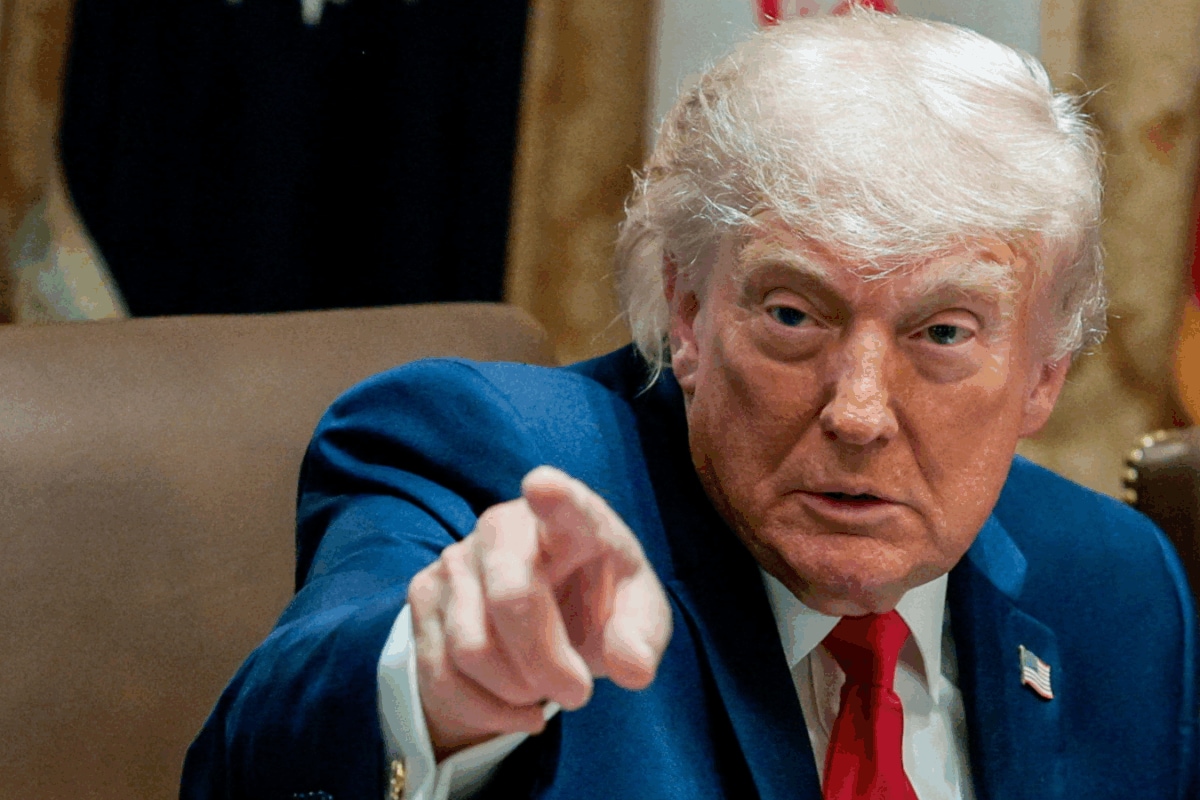
Who Controls The Panama Canal And Why Trump Is Worried About China Published By, Last Updated: July 03, 2026, 07:57 IST The US is the Panama Canal’s largest user, accounting for roughly three-quarters of the cargo that passes through it annually, with China in second place. Rapid Read File image of US President Donald Trump. (Source: Reuters) US President Donald Trump has once again warned that Washington will not allow China to take over the Panama Canal, reviving questions about why the waterway matters so much to the United States and whether Beijing actually exercises any control over it. Speaking at the dedication of the Theodore Roosevelt Presidential Library in North Dakota on Wednesday, Trump criticised the US decision to hand control of the canal to Panama and accused the Central American country of sharply raising transit charges after taking over the waterway. “When we gave the Panama Canal to Panama, first thing they did, they raised the prices for ships by four times, and they didn’t lose one ship. They then raised them again, and they didn’t lose ships. They made tremendous amounts of money. How stupid was that? China is planning to take over the Panama Canal and we won’t let that happen," Trump said. His remarks were a reference to the 1977 Torrijos-Carter Treaties, under which the United States agreed to gradually transfer control of the canal to Panama. The handover was completed in 1999. Trump has repeatedly described the transfer as a mistake. His latest comments combine three separate concerns: the canal’s importance to American trade, the charges imposed on ships using it and China’s expanding economic presence in Panama. Why Is The Panama Canal So Important? The Panama Canal is an 82-km, or 51-mile, waterway cutting across Panama and connecting the Atlantic and Pacific oceans. Before it was built, ships travelling between the two oceans had to undertake a lengthy and expensive journey around the southern tip of South America, passing through the Strait of Magellan or around Cape Horn. The canal provides a much shorter route, saving shipping companies considerable time, distance and fuel. According to WION, the canal cuts the sea distance between New York and San Francisco by about 8,000 miles.
Up to 14,000 ships use the waterway every year. It handles about 5% of global maritime trade by volume, with approximately $270 billion worth of cargo reportedly passing through it annually. Its value lies not merely in the number of vessels it accommodates but in its location. By linking the Atlantic and Pacific, the canal allows goods to move more efficiently between markets in Asia, the Americas and Europe. Any serious disruption to the canal can therefore delay deliveries, increase transportation costs and place pressure on international supply chains. Why Does The Canal Matter Particularly To The US? The United States is the canal’s biggest user, while China is the second largest. According to WION, the canal handles about 40% of US container traffic. This makes it an important route for American imports and exports. Without access to the canal, ships travelling between the eastern and western coasts of the US would have to take considerably longer routes. The additional distance would raise fuel, freight and insurance costs, potentially making goods more expensive. The waterway also has strategic significance because it enables vessels to move between the Atlantic and Pacific much faster than they could by sailing around South America. Trump’s position is that the United States built and administered a crucial global asset, only to surrender control of it while continuing to depend heavily upon it. How Did The US Lose Control Of The Canal? The United States played a central role in constructing the Panama Canal after an earlier French attempt failed. Washington secured the rights to undertake the project, and the canal was completed in 1914. The US then controlled and administered the waterway and the surrounding Canal Zone for much of the 20th century. However, the American presence generated opposition in Panama, where sovereignty over the canal became a major national issue. In 1977, US President Jimmy Carter and Panamanian leader Omar Torrijos signed two treaties providing for the gradual transfer of the waterway. The process was completed on December 31, 1999, when Panama assumed full control. Since then, the canal has been operated by the Panama Canal Authority, an agency of the Panamanian government.
 The BriefWire