Religious proverb of the day from Thailand: "Paste gold leaf onto the back of a Buddha statue" inspires us to do good when no one is watching
This Thai proverb reminds us that good work should be done without seeking attention. Origin or the proverb: A practice rooted in Thai Buddhism Goodness
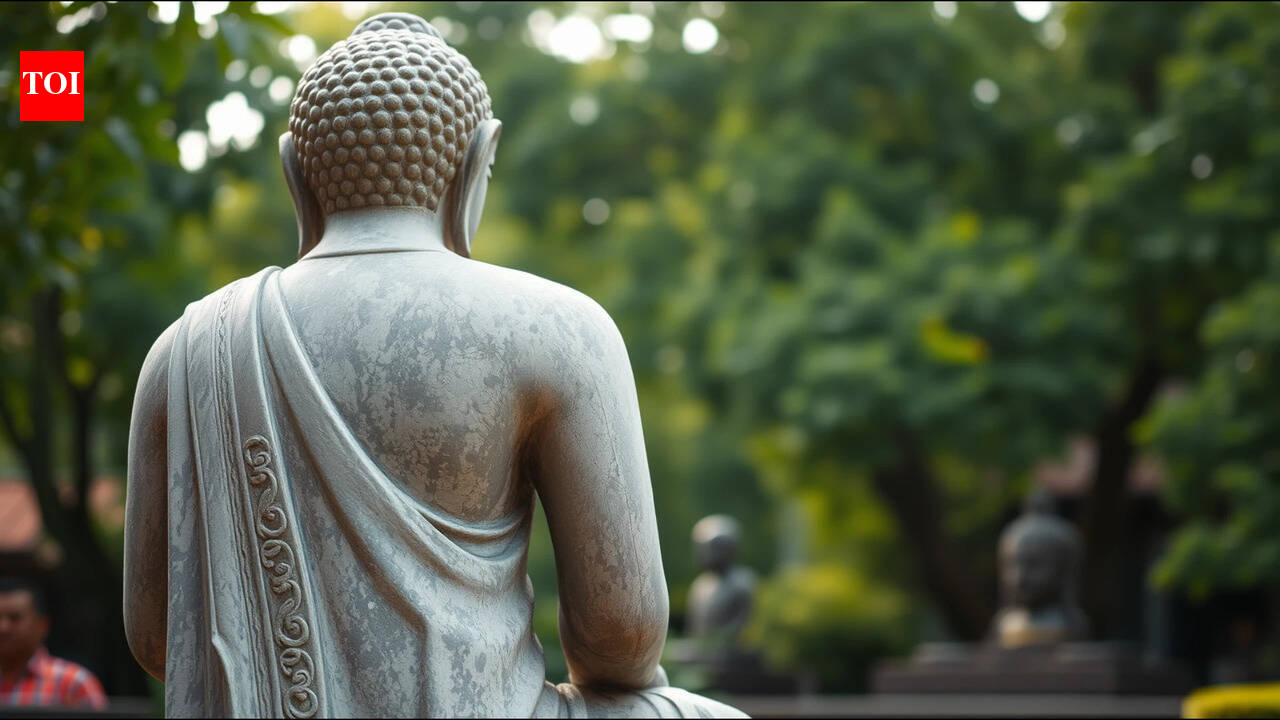
This Thai proverb reminds us that good work should be done without seeking attention. Origin or the proverb: A practice rooted in Thai Buddhism Goodness that needs no audience Humility over recognition A lesson for leadership Relevance in the age of social media The proverb's message beyond charity Connections to Buddhist thought Similar proverbs around the world The ultimate act of goodness is doing something noble when no one is watching. Such kind works done in shadows do not cry for attention, for reward. And this timeless Thai saying invokes a religious image as it refers to the act of pasting gold leaf onto the back of a Buddha statue. The literal meaning of the proverb is actually a practice in Thai culture as people offer gold leaf to Buddha but instead of keeping it in front of him, they paste it at the back -- signifying something done without any expectation.The image is simple, but its lesson is profound. It speaks about doing good without seeking praise, performing acts of generosity that will never attract applause, and measuring virtue by intention rather than visibility.The proverb cannot be understood without appreciating the custom from which it emerged. In Thai Buddhist temples, devotees often buy tiny squares of gold leaf and carefully press them onto Buddha images. The act is not intended to decorate the statue for aesthetic reasons alone. It is an expression of faith, gratitude, and reverence. Many believe it generates merit, a central concept in Theravada Buddhism that refers to wholesome actions believed to bring positive spiritual consequences.Because countless worshippers participate over many years, older Buddha statues often acquire thick, uneven layers of gold. Their surfaces become textured by generations of devotion.Choosing to place gold leaf on the back of the statue, however, changes the meaning of the act.
The offering remains just as sincere, yet no visitor is likely to notice it. The donor receives no admiration from others. Only the act itself—and perhaps one's own conscience—remains.At its heart, the proverb encourages people to do good even when nobody is watching.Human beings often enjoy recognition. Whether through praise, awards, promotions, or public appreciation, acknowledgment satisfies a natural desire to have our efforts noticed. The proverb gently questions this impulse. If an act of kindness loses its value once nobody sees it, was it truly an act of kindness in the first place?Pasting gold leaf onto the hidden side of a Buddha statue symbolizes a deed performed without expectation of reward. The giver knows that strangers will never point to the back of the statue and admire their contribution. Nevertheless, they make the offering because they believe it is worthwhile.This distinction between visible generosity and genuine generosity lies at the center of the proverb.Thai culture has traditionally valued modesty and restraint. Open displays of self-promotion have often been viewed with suspicion, particularly when attached to charitable acts. The proverb reflects this cultural preference. It suggests that the most meaningful contributions are sometimes the least conspicuous.While the proverb encourages us to do good, remaining in the shadows, it reminds us of those who always remain in the background and keep the world running.The saying also carries wisdom for leaders. Some leaders seek constant recognition. They announce every decision, publicize every charitable donation, and attach their names to every accomplishment. Others lead more quietly. They create opportunities for others, solve problems before they become crises, and allow their teams to receive praise. The second style resembles the proverb's image. Like gold placed on the unseen side of the Buddha statue, their influence may escape public notice, yet its value is undeniable.Such leadership often builds deeper trust because it is motivated less by reputation than by responsibility.The proverb feels especially relevant today as social media encourages people to document nearly everything.
 The BriefWire