Ghost Of 'G-23'? Why Manish Tewari Has Been Left In The Cold By Congress For Punjab Polls
Ghost Of 'G-23'? Why Manish Tewari Has Been Left In The Cold By Congress For Punjab Polls Reported By, Last Updated: July 02, 2026, 20:06
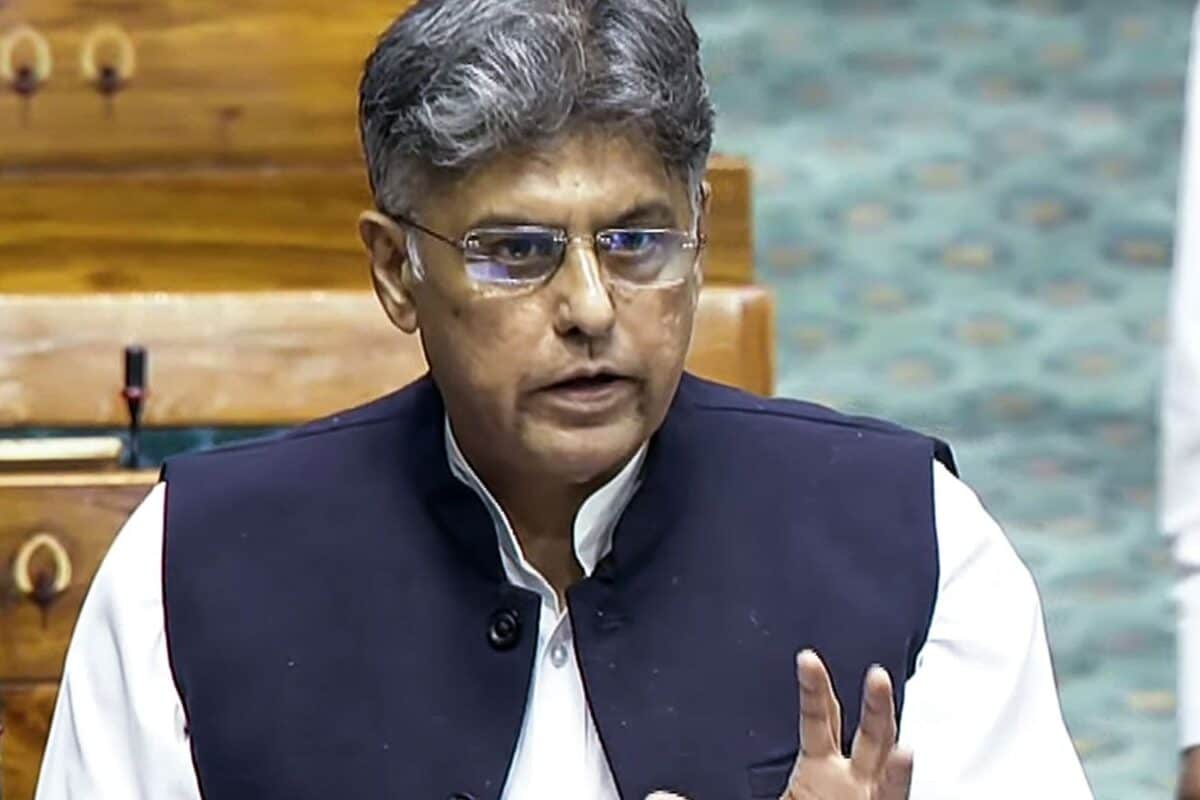
Ghost Of 'G-23'? Why Manish Tewari Has Been Left In The Cold By Congress For Punjab Polls Reported By, Last Updated: July 02, 2026, 20:06 IST Tewari wrote on social media that he wished there were 'an antidote for the insecurities of individuals and institutions', seen as a swipe at his own party's leadership Now, with the Punjab unit being completely restructured under the watchful eye of AICC in-charge Bhupesh Baghel, Tewari's total exclusion from the campaign, manifesto, and management panels has become highly conspicuous. File pic Manish Tewari loves to run. But is he losing the race for relevance within his own party? The latest trigger for this question was a cryptic post by the Chandigarh MP following the Congress party’s announcement of its new office-bearers ahead of the Punjab assembly elections. Taking to social media, Tewari wrote that he wished there were “an antidote for the insecurities of individuals and institutions"—a sharp remark widely interpreted as a swipe at his own party’s leadership after being entirely excluded from the state’s election committees. The distance between Tewari and the Congress high command, however, is not new. The roots of this trust deficit date back to the G-23 rebellion, when he joined a cohort of senior leaders demanding sweeping organisational reforms to revive the party’s fading electoral fortunes.
Since then, the divide has only widened, exacerbated significantly in the wake of Operation Sindoor. Tewari is no stranger to the scars of terrorism; his father, VN Tewari, was assassinated by Khalistani militants in 1984. This deeply personal background is believed to have influenced the government’s decision to include him, alongside Shashi Tharoor, in an all-party delegation tasked with projecting India’s unified position abroad after Operation Sindoor. The Congress leadership viewed the diplomatic assignment with intense suspicion, treating it as a trap by the BJP to outmanoeuvre the opposition. While the high command made its displeasure known, both Tewari and Tharoor maintained that national interest must always supersede party politics. The optics that followed did little to soothe internal friction. Images of Prime Minister Narendra Modi warmly interacting with Tewari upon the delegation’s return became an immediate talking point in political corridors. The relationship deteriorated further when Tewari was denied an opportunity to speak during the subsequent Lok Sabha debate on Operation Sindoor—a move his camp viewed as a deliberate and coordinated snub. The party establishment counter-argued that both leaders had effectively lent credibility to the government’s narrative rather than holding it accountable over the preceding Pahalgam terror attack. This sense of isolation has surfaced before.
 The BriefWire