English woman claimed she gave birth to rabbits and Britain's most respected doctors believed every word: The story of history's greatest medical hoax
How a poor woman convinced doctors she gave birth to rabbits Why doctors believed the impossible The case that reached the royal court The clues
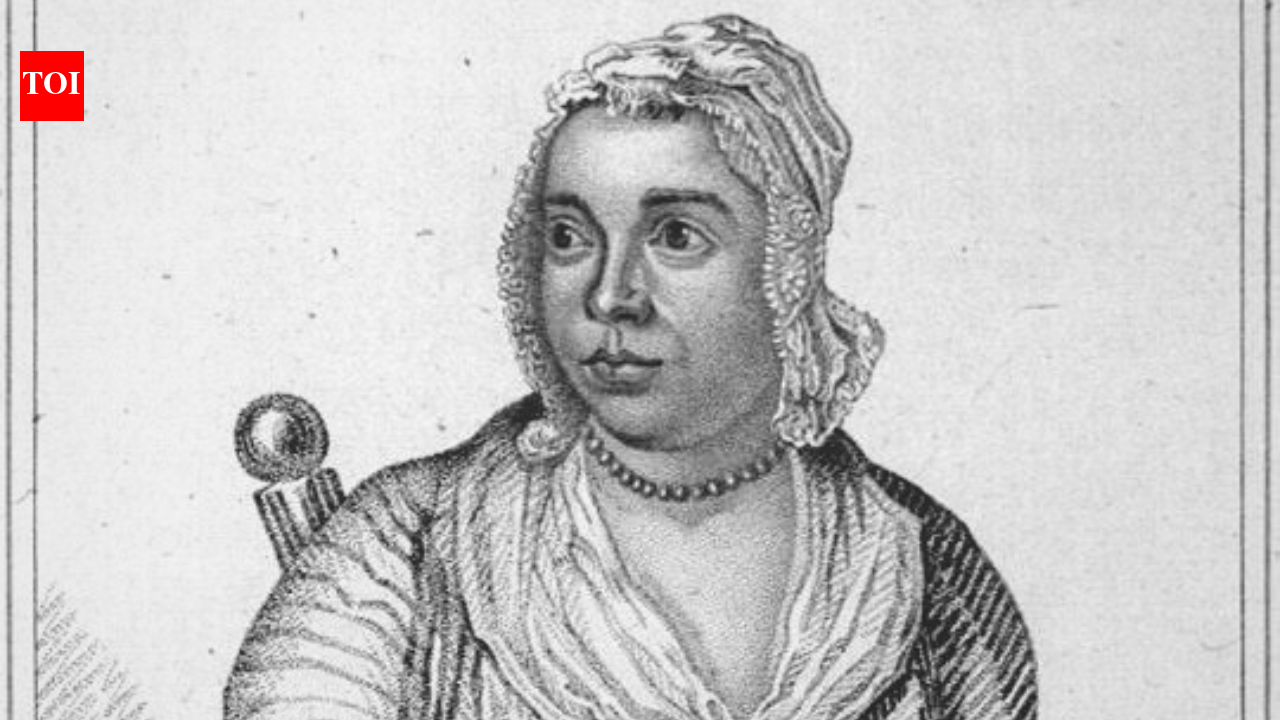
How a poor woman convinced doctors she gave birth to rabbits Why doctors believed the impossible The case that reached the royal court The clues that exposed the hoax Mary Toft's confession The scandal that ruined Britain's medical experts In the autumn of 1726, an extraordinary claim gripped Britain and left even some of the country's most respected physicians baffled. A poor woman from Surrey named Mary Toft insisted she had given birth not to a baby, but to rabbits. The bizarre story quickly spread beyond her village, attracting surgeons, scientists and even the attention of George I. For weeks, several prominent doctors treated the case as genuine before a careful investigation uncovered one of history's most astonishing medical frauds, exposing the dangers of superstition, flawed science and professional pride.The woman at the centre of the scandal was Mary Toft, a poor resident of Godalming, who had already given birth to children before suffering a miscarriage in August 1726. Soon afterwards, she began claiming she was once again in labour, but instead of delivering a baby, witnesses said she gave birth to rabbit parts and other animal remains.
Local surgeon John Howard examined her and became convinced the births were genuine, documenting what he believed were repeated deliveries of rabbits. His reports quickly spread beyond Surrey, transforming an unbelievable local story into a national sensation.Although the claims sound absurd today, they appeared plausible to many physicians because of the medical theories of the time. A widely accepted belief known as maternal imagination suggested that a pregnant woman's emotions, fears or experiences could physically influence her unborn child. Mary reportedly claimed she had become obsessed with rabbits after being startled by one while pregnant. Many doctors accepted this explanation, believing it could account for the extraordinary births despite the lack of scientific evidence.As news of the rabbit births spread, the story reached George I, who ordered an official investigation. Royal surgeon Nathaniel St. André examined Mary and declared the births genuine, even publishing a pamphlet defending the remarkable case. However, another royal surgeon, Cyriacus Ahlers, remained sceptical after noticing inconsistencies in the animal remains that suggested they had lived outside the womb before being presented as evidence.As investigators looked more closely, the evidence began to unravel.
 The BriefWire