Why is India still using a highly toxic pesticide banned in 28 countries?
When scientists sitting in well-funded laboratories across Europe conclude that a chemical poses serious risks to human health and the environment, governments in 28 countries
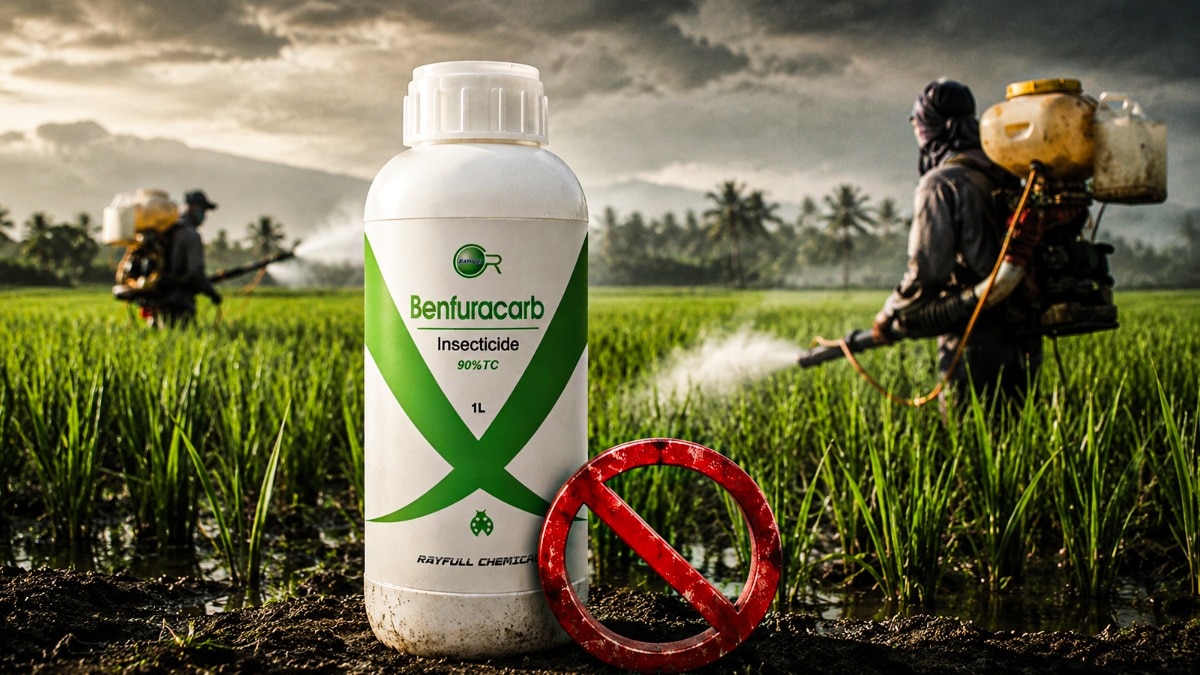
When scientists sitting in well-funded laboratories across Europe conclude that a chemical poses serious risks to human health and the environment, governments in 28 countries move swiftly to keep it out of their borders. Yet when the same chemical enters India, many of those concerns appear to receive far less attention. This raises a difficult question: Are the lives of Indian farmers and consumers valued less than those in countries that have already prohibited such substances? Read Full Story The debate centres on Benfuracarb, a highly controversial pesticide. Its story is not merely about a single agrochemical. It reflects a larger conflict involving corporate interests, regulatory delays and concerns over public health. Benfuracarb is an insecticide and nematicide that not only kills harmful pests but can also affect beneficial organisms. Experts argue that it is highly toxic to the nervous system and poses significant environmental and health risks. INDIA A MARKET FOR BANNED CHEMICALS? Developed by Japan-based Otsuka Chemical in 1981, Benfuracarb has been banned or restricted across large parts of the world. According to critics, 28 countries, including members of the European Union and the United Kingdom, have prohibited its use to safeguard future generations from potential health and environmental hazards. Those who oppose the pesticide argue that as developed markets shut their doors to such chemicals, multinational agrochemical firms and their local partners increasingly turn to countries where regulations remain less restrictive.
They contend that India has become a lucrative destination for products that face tighter scrutiny elsewhere. A BAN THAT NEVER MATERIALISED In 2020, the Indian government appeared ready to act. Based on recommendations made by the Anupam Verma Committee, the Agriculture Ministry issued a draft notification proposing a ban on 27 highly hazardous pesticides, including Benfuracarb. Government records cited concerns over carcinogenic impurities, high toxicity through inhalation, harmful effects observed in animal studies, and the chemical's potential to contaminate groundwater. The draft reflected growing concern among experts about the long-term consequences of continued use. However, critics say the proposal became entangled in prolonged reviews, consultations and industry lobbying. Agrochemical companies reportedly argued that a ban would affect investments and employment. When the final Insecticides Prohibition Order, 2023 was issued, Benfuracarb was excluded from the list of banned pesticides and was instead retained for further review, while only four pesticides -- Dicofol, Dinocap, Methomyl and Monocrotophos -- were prohibited. For critics, this outcome raised uncomfortable questions about whether commercial interests were being prioritised over public health. THE FOOD SECURITY ARGUMENT Whenever calls are made to prohibit hazardous pesticides, regulators and industry representatives often point to food security concerns. Their argument is that inexpensive pesticides remain essential for protecting crops from destructive pests and ensuring affordable food production. India's Central Insecticides Board and Registration Committee (CIBRC) has approved Benfuracarb for use in paddy cultivation.
 The BriefWire