PM Narendra Modi And His Decades Old Japan Connection
PM Narendra Modi And His Decades Old Japan Connection Written By, Last Updated: July 02, 2026, 15:17 IST When Narendra Modi visited Japan as CM
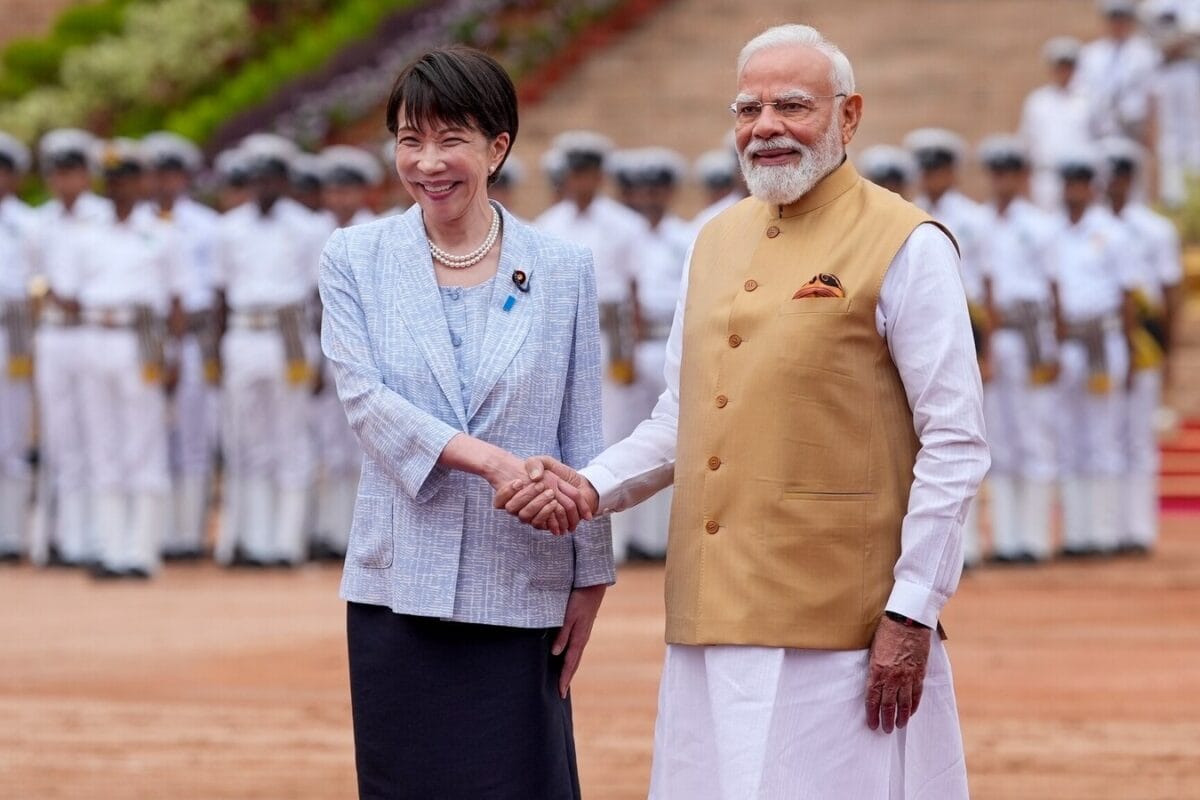
PM Narendra Modi And His Decades Old Japan Connection Written By, Last Updated: July 02, 2026, 15:17 IST When Narendra Modi visited Japan as CM of Gujarat in 2007, he approached the trip not simply as a diplomatic engagement but as a learning mission. Rapid Read After Takaichi’s arrival in New Delhi on Wednesday, Prime Minister Narendra Modi welcomed her on social media, expressing confidence that their discussions would further strengthen the India-Japan Special Strategic and Global Partnership. (PTI Photo/Ravi Choudhary) The arrival of Japanese PM Sanae Takaichi will further strengthen Indo-Japanese partnership. But for PM Modi, this relationship began long before he entered office in 2014. His connect with Japan, its culture and its technological excellence stretches back decades. One of PM Narendra Modi’s earliest connections with Japan dates back to the early 1980s, when as a young RSS pracharak, he made a Japanese friend from Nagoya during a visit to Nepal. The friendship continued as a pen-pal for years through letters. The Japanese friend would send him gifts, including shoes from renowned Japanese brands and T-shirts. In return, Modi once sent him a copy of the Bhagavad Gita. Even at a young age, he saw international friendships not merely as personal relationships, but as opportunities for cultural exchange. His fascination with Japan only deepened over time. When Narendra Modi visited Japan as CM of Gujarat in 2007, he approached the trip not simply as a diplomatic engagement but as a learning mission.
Leading a 40-member delegation of bureaucrats and industry leaders, he travelled across Tokyo, Osaka, Hiroshima and Kobe, meeting major corporations including Mitsubishi, Mitsui, Sumitomo, Marubeni, Suzuki, Toshiba, Nippon Steel and Nissan Steel. The visit resulted in important agreements between the Japanese investment body JETRO and the Gujarat government. During this visit, Modi also met Shinzo Abe, then emerging as one of Japan’s most influential political leaders. Their first interaction laid the foundation for what would later become one of the closest relationships between two world leaders. According to those who witnessed it, both leaders immediately developed mutual admiration. Years later, even during Abe’s illness, Narendra Modi remained in regular touch to enquire about his health. Travelling aboard Japan’s Shinkansen bullet train, he imagined India having its own bullet train network. He was given the rare opportunity to sit inside the driver’s cockpit, where he enquired engineers about earthquake safety systems, time management and so on. These conversations later influenced India’s own high-speed rail ambitions. During the Shinkansen journey, he also struck up a conversation with Japanese children despite the language barrier, eventually spending much of the journey playing with them. His curiosity was visible everywhere. At Tokyo’s Sensoji Temple, Modi carefully studied crowd management systems, urban planning and staff training, exploring how similar ideas could improve the management of India’s own pilgrimage centres. At a Japanese university, when asked how India and Japan should respond to China’s growing influence, Modi offered a memorable metaphor: “Darkness cannot be defeated with a sword; a small lamp can remove it." He explained that India and Japan, through their shared democratic values, could together become that light.
 The BriefWire