Reserved Your WhatsApp Username? Here's Why You May Never Get to Use It
Reserved Your WhatsApp Username? Here's Why You May Never Get to Use It Written By, Last Updated: July 02, 2026, 13:29 IST The government's concerns
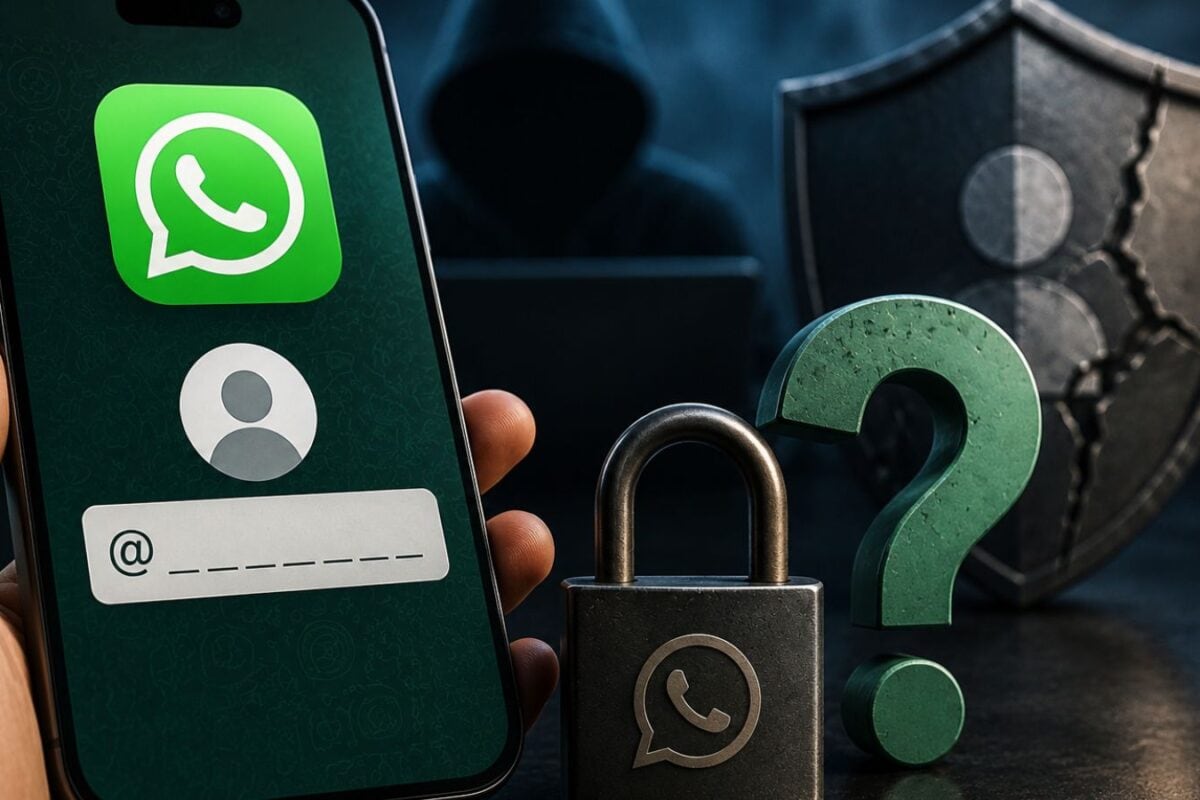
Reserved Your WhatsApp Username? Here's Why You May Never Get to Use It Written By, Last Updated: July 02, 2026, 13:29 IST The government's concerns revolve around one question---How easy would it be for someone to pretend to be another person? Rapid Read Authorities fear scammers could create usernames that closely resemble celebrities, politicians, government departments, banks, brands, journalists, and influencers. (AI-Generated Image) WhatsApp’s much-talked about username feature, pitched as a privacy-friendly alternative to sharing phone numbers, may never reach users in its current form. After days of growing concerns over impersonation, scams and identity misuse, the Centre is now weighing its strongest response yet. According to a government official quoted by The Indian Express, authorities could even ask Meta to do away with the rollout if they conclude the platform has failed to build adequate safeguards against misuse. “During our internal assessment and subsequent questioning of WhatsApp, if we do not think there are enough guardrails to protect against impersonation, the government may also look into whether the feature’s rollout should be stopped altogether," the official said. ALSO READ | WhatsApp Username FAQs: Meta Explains Anti-Impersonation Measures Amid Scam Fears For millions of WhatsApp users, this means the feature may not simply be delayed; it could be prevented from launching in India unless Meta satisfies the government’s concerns. Why Is The Government Worried? On paper, usernames are designed to improve privacy. Instead of giving someone your phone number, you could simply share a unique username, much like Telegram or Signal. However, officials believe that the same feature could also become a powerful tool for fraudsters.
The government’s concerns revolve around one question—How easy would it be for someone to pretend to be another person? Authorities fear scammers could create usernames that closely resemble celebrities, politicians, government departments, banks, brands, journalists, and influencers. Even if the fake username differs by just one character, many users may fail to notice. For example: @airtel_support vs @airtel.support or @pmindia vs @pm_india Such impersonation is already common on Telegram, X and Instagram, where fake accounts routinely trick users into sharing OTPs, passwords or transferring money. Didn’t WhatsApp Already Announce Safeguards? Yes. ALSO READ | WhatsApp Rolls Out Telegram-Like Usernames To Hide Phone Numbers: Here’s What Changes For Users Following questions from the government and growing public criticism, Meta announced several anti-impersonation measures. Among them were that verified public figures and government usernames will be reserved, usernames cannot consist only of numbers, certain restricted words and reserved identities cannot be registered, and users can report impersonation accounts. The company also says additional automated systems will detect abuse. However, officials are reportedly not fully convinced. News18 had earlier reported that the Ministry of Electronics and Information Technology (MeitY) has been examining whether these safeguards are sufficient before allowing the feature to be rolled out. The latest remarks suggest the government is now considering the most stringent option available: preventing the launch altogether if its concerns remain unresolved. Why Does This Matter To Ordinary Users? Many users welcomed usernames because they promised better privacy. Instead of exposing their mobile number to strangers, users could now join communities, talk to businesses, sell products and network professionally without revealing their personal number.
 The BriefWire