After Historic Gurdwara Demolition, India Flags Pakistan's 'Double Game' On Sikh Rights
After Historic Gurdwara Demolition, India Flags Pakistan's 'Double Game' On Sikh Rights Reported By, Edited By Last Updated: July 02, 2026, 13:01 IST Sources linked
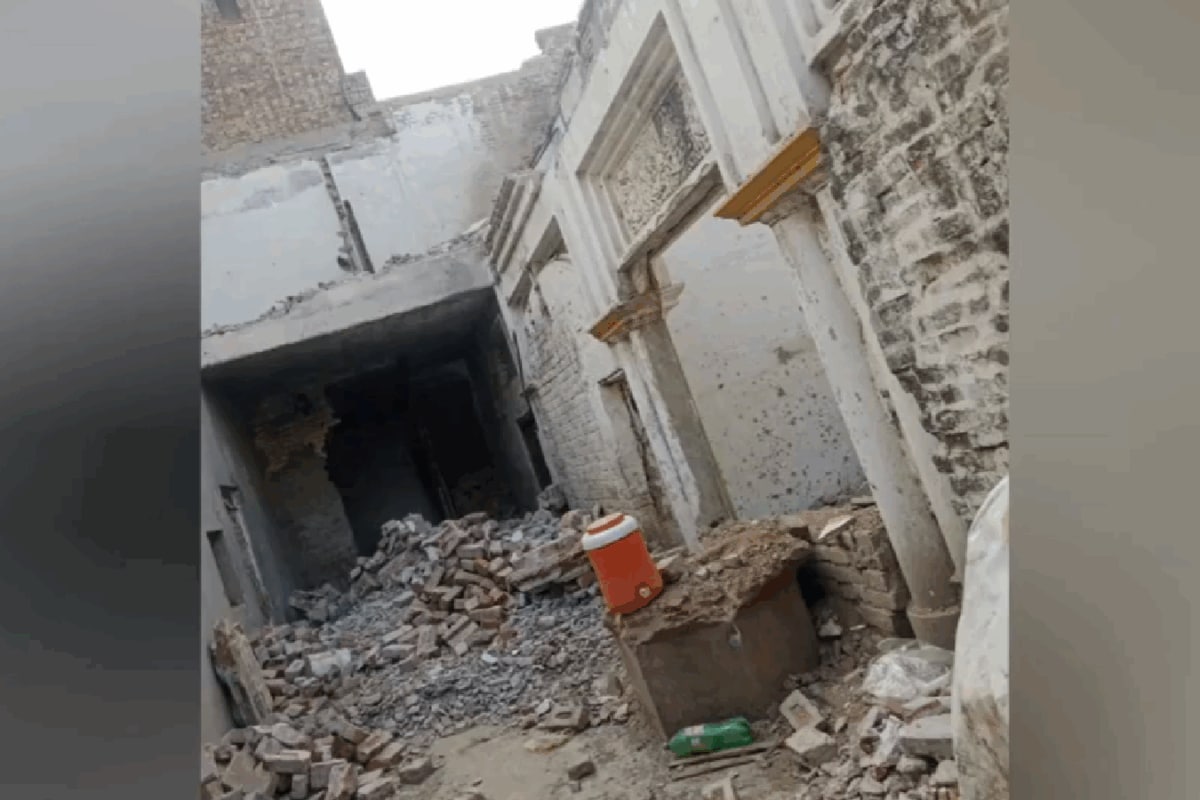
After Historic Gurdwara Demolition, India Flags Pakistan's 'Double Game' On Sikh Rights Reported By, Edited By Last Updated: July 02, 2026, 13:01 IST Sources linked the issue to ISI's long-standing strategy of supporting Khalistani elements to fuel separatist narratives in India's Punjab. Rapid Read The MEA called the reported demolition of Gurdwara Sri Guru Singh Sabha Sahib in Farooqabad a "targeted act of vandalism". (IMAGE: X) The demolition of a 125-year-old historic Sikh shrine in Pakistan has once again brought the spotlight on the condition of minority religious sites in the country, even as Indian government sources argue that Islamabad continues to exploit Sikh grievances abroad through information campaigns linked to the Khalistan movement. The latest flashpoint is the demolition of Gurdwara Sri Guru Singh Sabha Sahib in Farooqabad, near Lahore, on June 24. The shrine, associated with the historic Singh Sabha Movement, was allegedly razed by local miscreants without official approval. Members of the local Sikh community protested immediately, preventing further destruction. India Calls Demolition A ‘Targeted Act of Vandalism’ Responding to media reports, the Ministry of External Affairs (MEA) issued a strongly-worded statement condemning the incident. “We have seen the deeply distressing reports regarding the demolition of the historic 125-year-old sacred Gurdwara Sri Guru Singh Sabha Sahib in Farooqabad, Pakistan," MEA spokesperson Randhir Jaiswal said. Calling it a “highly deplorable and targeted act of vandalism against a revered Sikh shrine," the government also expressed concern over what it described as the lack of meaningful action by local authorities and Pakistan’s Evacuee Trust Property Board (ETPB).
India urged Pakistan to “expeditiously investigate this matter and bring the perpetrators of this despicable act to justice." It also called for the damaged portions of the gurdwara to be restored at the earliest and asked Islamabad to ensure “the safety, security and well-being of its minority communities and their places of worship." The MEA further noted that the incident was “unfortunately not an isolated incident," adding that “the systemic targeting of religious minorities and their places of worship in Pakistan continues unabated." Govt Sources Link ISI To Khalistan Propaganda Strategy According to top Indian government sources, the demolition reflects Pakistan’s continuing domestic challenges in protecting religious minorities, a reality they say stands in contrast to its efforts to project itself internationally as a champion of Sikh causes. Sources also linked the issue to what they described as the Inter-Services Intelligence’s (ISI) long-standing strategy of supporting Khalistani elements to fuel separatist narratives in India’s Punjab. According to Indian intelligence assessments cited by government sources, the ISI has for years provided refuge, funding, training and logistical support to Khalistani operatives, often coordinating with Pakistan-based terrorist groups such as Lashkar-e-Taiba. Officials say the support extends beyond physical infrastructure to social media campaigns, diaspora outreach and cross-border operations involving drones used to smuggle drugs and weapons into India. The objective, according to the sources, is to exploit Sikh grievances and narratives abroad to create a selective emotional appeal while fuelling separatism in Punjab, even as Pakistan faces criticism over the condition of Sikh heritage within its own borders.
 The BriefWire