China's New Ethnic 'Unity' Law Could Codify Minority Persecution, Rights Groups Decry Move
China's New Ethnic 'Unity' Law Could Codify Minority Persecution, Rights Groups Decry Move Published By, Last Updated: July 02, 2026, 12:18 IST China has brought
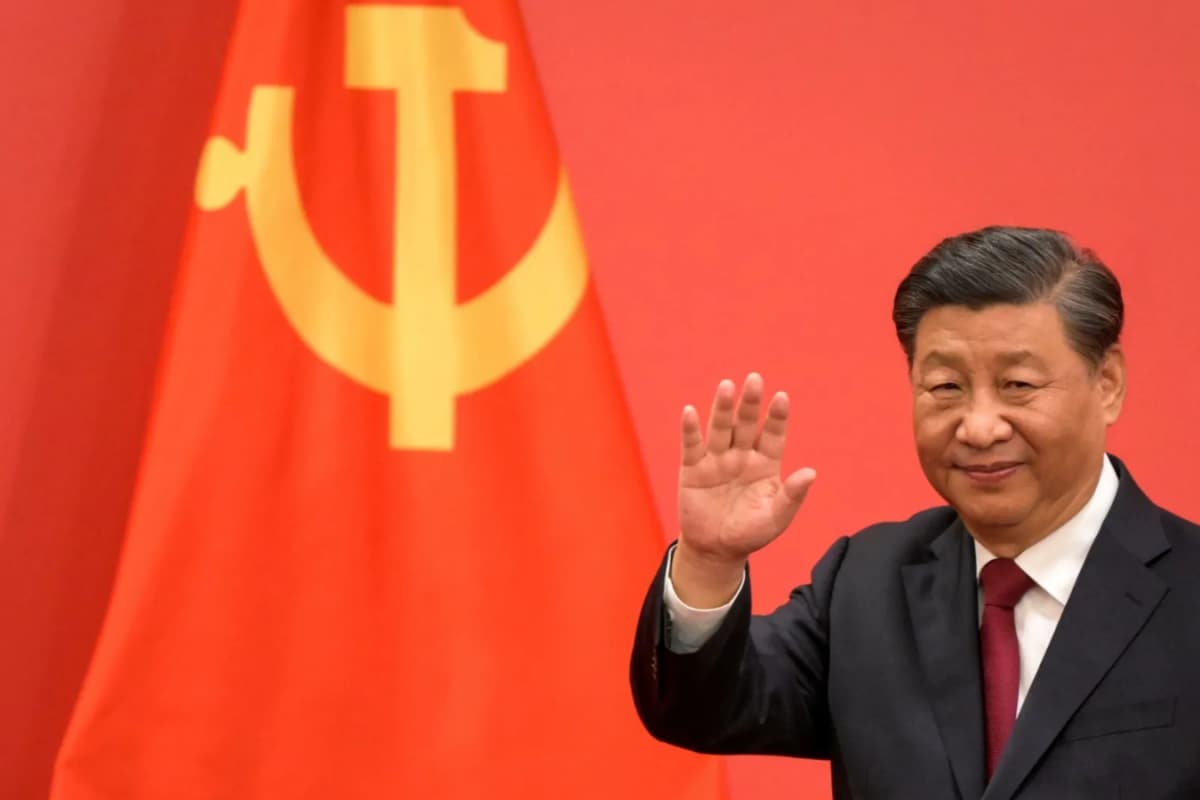
China's New Ethnic 'Unity' Law Could Codify Minority Persecution, Rights Groups Decry Move Published By, Last Updated: July 02, 2026, 12:18 IST China has brought into effect a law that further establishes the salience of mandarin as the official language for all purposes and allows the state to crack down on dissidents. Rapid Read Chinese President Xi Jinping (Image: AP) China has brought into effect a new law that critics say is meant to target ethnic minorities and forcefully ‘assimilate’ them in to the dominant Han Chinese culture besides also allowing the state to intimidate and threaten dissidents in foreign countries, according to a report by The Guardian. Taiwan, the United Nations, and rights groups say that this law could threaten freedoms especially for minorities.
China states that the ‘Law on Promoting Ethnic Unity and Progress’ aims to forge a “shared" national identity among ethnic groups. This, it apparently seeks to do by strengthening the status of Mandarin as the official language. Activists and campaigners, based outside China, argue that this law could further degrade the rights of ethnic minorities like the Uyghurs and Tibetans, the report noted. China has, for long, been accused of persecuting these minorities. This new law’s critics also point to a clause that lets the Chinese state hold people liable for violations even outside China. They say this clause gives the Chinese government more justification for targeting opponents abroad. Sarah Brooks, the deputy regional director of Amnesty International, said, as quoted in the report, that the law would require “political and ideological alignment with the Chinese Communist Party".
She also said that the law “further institutionalises policies of forced assimilation". “Chinese authorities have human rights obligations requiring them to protect minority communities and their cultures, but this law does the opposite," she was quoted saying. This legislation pushes ethnic groups to “adopt a single, state-defined national identity dominated by Han Chinese culture", Amnesty has warned. Han are a majority ethnic group in China. “In the future, individuals from any country whose words or actions are not acceptable to China may become targets of the law or be pursued under it," the foreign ministry of Taiwan, which is claimed by China to Volker Turk, the UN rights chief, said that the law risks “deepening restrictions on freedoms of language, education, practice of religion, culture, expression and assembly".
 The BriefWire