Ebola Declared Global Health Emergency: All You Need To Know On Symptoms, Treatment And Vaccines
Ebola Declared Global Health Emergency: All You Need To Know On Symptoms, Treatment And Vaccines Published By, Last Updated: May 17, 2026, 15:35 IST WHO
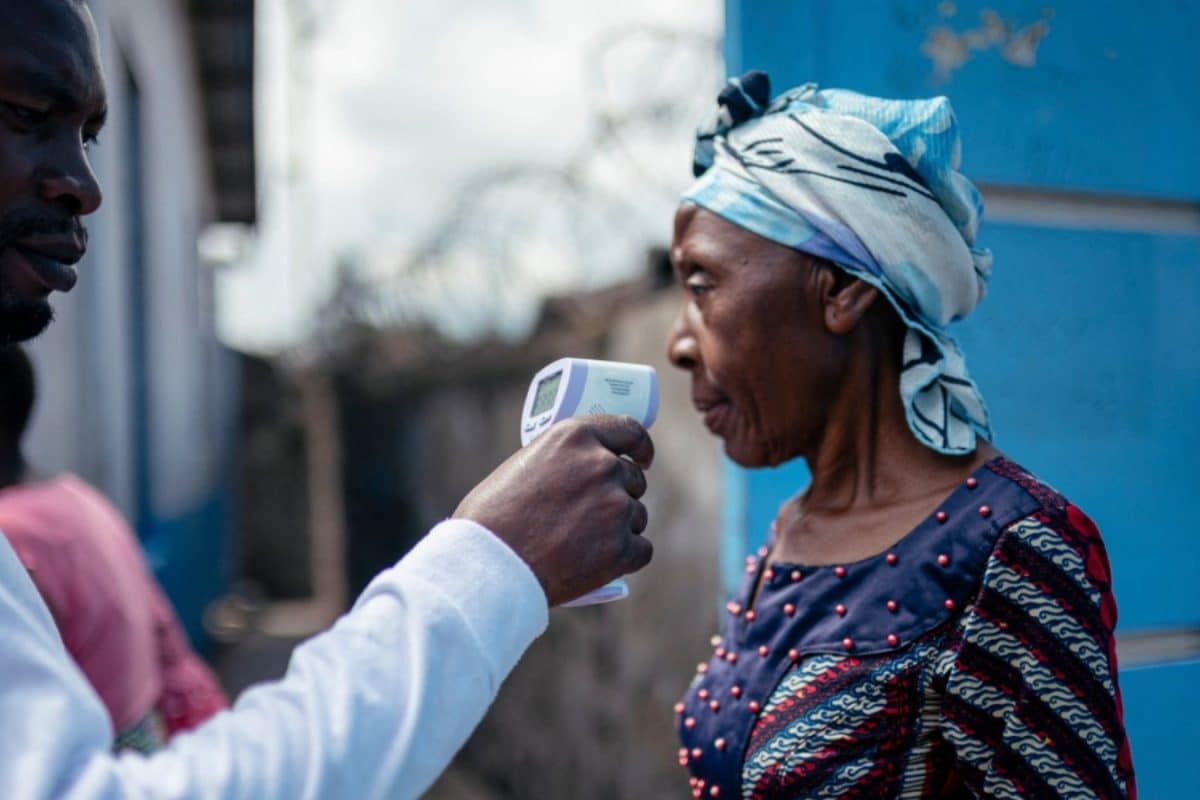
Ebola Declared Global Health Emergency: All You Need To Know On Symptoms, Treatment And Vaccines Published By, Last Updated: May 17, 2026, 15:35 IST WHO declared the Ebola outbreak in Congo and Uganda a global health emergency after more than 300 suspected cases and 88 deaths. A staff member of the CBCA Virunga Hospital checks a visitor’s temperature using a a contactless infrared thermometer. (AFP photo) The World Health Organisation (WHO) has declared the Ebola outbreak in Congo and Uganda a global health emergency after more than 300 suspected cases and 88 deaths. The outbreak is caused by the Bundibugyo virus, a rare variant of Ebola with no approved vaccines or treatments. In a statement shared on X Sunday, WHO Director-General Tedros Adhanom Ghebreyesus said the outbreak does not meet the criteria of a pandemic emergency like the Covid-19 pandemic, and advised against the closure of international borders.
Ebola is highly contagious and spreads through bodily fluids, including vomit, blood, or semen. While the disease is rare, it is severe and often fatal. WHO emphasises that early intensive care, strict infection control, and vaccination where possible are essential to contain the spread of the virus. Key Facts About Ebola Ebola is a severe, often fatal disease in humans, caused by three main viruses: Ebola virus, Sudan virus, and Bundibugyo virus. Case fatality rates in past outbreaks have ranged from 25% to 90%, with an average around 50%. WHO guidance stresses that outbreak control relies on a package of measures: supportive care, infection prevention, disease surveillance, laboratory services, safe burials, vaccination when available, and social mobilisation. Symptoms To Watch Ebola symptoms can appear 2 to 21 days after infection.
Early signs include fever, fatigue, muscle pain, headache, and sore throat, followed by vomiting, diarrhoea, abdominal pain, rash, and kidney or liver problems. Although bleeding is less common, it can occur later in the disease, including blood in vomit or faeces, and at needle puncture sites. Ebola can also affect the central nervous system, causing confusion, irritability, and aggression. Treatment And Vaccines Currently, no approved treatments exist for Bundibugyo virus. WHO recommends optimised supportive care, including hydration, nutrition, pain management, and treatment of co-infections. For Ebola virus disease, monoclonal antibody therapies such as mAb114 (ansuvimab™) or REGN-EB3 (Inmazeb™) are recommended. Vaccines are available for Ebola virus disease, including Ervebo and Zabdeno/Mvabea, which can be deployed during outbreaks or for preventive vaccination of healthcare workers. For other Ebola viruses, candidate vaccines are under development, and clinical trial protocols are in place.
(With inputs from agencies) News18 Newsletter Handpicked stories, in your inbox A newsletter with the best of our journalism submit First Published: May 17, 2026, 15:35 IST News world Ebola Declared Global Health Emergency: All You Need To Know On Symptoms, Treatment And Vaccines Disclaimer: Comments reflect users’ views, not News18’s. Please keep discussions respectful and constructive. Abusive, defamatory, or illegal comments will be removed. News18 may disable any comment at its discretion. By posting, you agree to our Terms of Use and Privacy Policy Loading comments...
 The BriefWire