Reasonable Classification, Not Religious Favour: Bombay HC Shuts Down Challenge To Sikh Helmet Exemption
Reasonable Classification, Not Religious Favour: Bombay HC Shuts Down Challenge To Sikh Helmet Exemption Written By, Last Updated: July 02, 2026, 06:46 IST The court
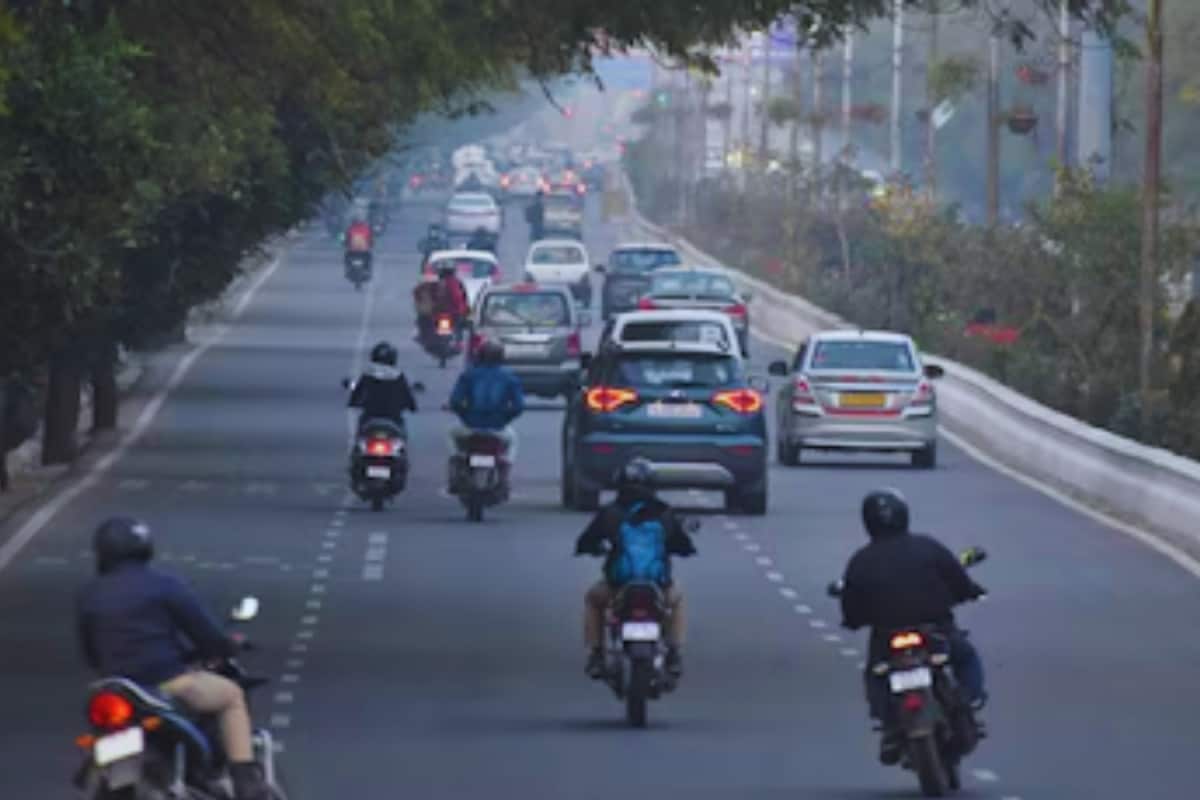
Reasonable Classification, Not Religious Favour: Bombay HC Shuts Down Challenge To Sikh Helmet Exemption Written By, Last Updated: July 02, 2026, 06:46 IST The court noted that for an orthodox Sikh, the turban is not a mere accessory or a matter of personal style but an indispensable and sacred article of faith Furthermore, the judiciary observed that the legislature had deliberately incorporated this caveat to balance public safety with the protection of essential religious practices. Representational image The Bombay High Court has dismissed a public interest litigation that challenged the long-standing legal exemption granting turban-wearing Sikh men freedom from the mandatory use of helmets while riding two-wheelers. In a decisive ruling, the division bench clarified that the concession is rooted in a “reasonable classification" under the constitutional framework rather than constituting an arbitrary favour based purely on religion.
The court categorised the petitioner’s argument—which claimed the exemption infringed upon the fundamental right to equality—as entirely misconceived and lacking a proper understanding of constitutional jurisprudence. Central to the dispute was Section 129 of the Motor Vehicles Act, which mandates protective headgear for all two-wheeler riders but explicitly carves out an exception for individuals wearing a turban. The petitioner argued that public safety regulations should apply universally, suggesting that the exemption created an unlawful distinction. However, the High Court emphasised that the principle of equality before the law does not imply a rigid, uniform application across fundamentally distinct groups. Instead, Indian constitutional law permits classification provided it is founded on an intelligible differentia that bears a rational nexus to the objective being achieved. The court noted that for an orthodox Sikh, the turban is not a mere accessory or a matter of personal style but an indispensable and sacred article of faith.
Mandating a helmet over or in place of a turban would effectively deny these citizens the ability to operate two-wheelers without compromising their deeply held religious obligations. By recognising the unique physical and cultural realities of the Sikh community, the legislative exemption aims to foster inclusivity rather than division. Furthermore, the judiciary observed that the legislature had deliberately incorporated this caveat to balance public safety with the protection of essential religious practices. Similar exemptions exist across various international jurisdictions, recognising that the state must accommodate deeply ingrained cultural identities where possible. By validating the statutory provision, the Bombay High Court has reaffirmed that true equality often requires the law to acknowledge distinct identity markers, ensuring that safety mandates do not inadvertently penalise specific communities for adhering to their faith. News18 Newsletter Handpicked stories, in your inbox A newsletter with the best of our journalism submit About the Author Pathikrit Sen Gupta Pathikrit Sen Gupta is a Senior Associate Editor with News18.com and likes to cut a long story short.
 The BriefWire