Algeria's parliamentary vote raises questions on real change
Seven years after the pro-democracy Hirak protests, Algeria is electing a new parliament. Could the vote spark new political momentum or will it cement the
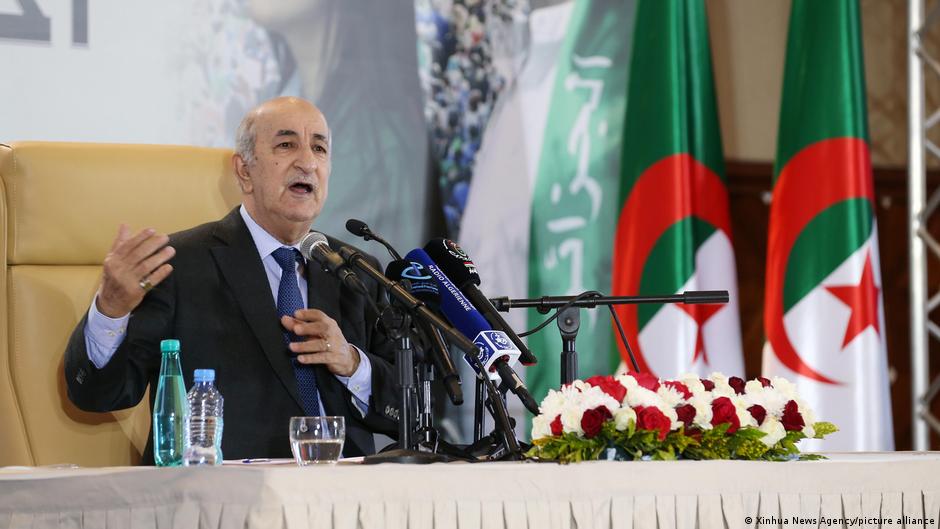
Seven years after the pro-democracy Hirak protests, Algeria is electing a new parliament. Could the vote spark new political momentum or will it cement the status quo? Algeria is electing a new parliament on Thursday, with incumbent President Abdelmadjid Tebboune presenting the vote as another step toward renewing the country's political institutions. However, many observers expect neither a change in power nor a fundamental shift in the political system. Right now, something else is at the top of many Algerians' agendas: soccer. The national team has qualified for the knockout rounds of the 2026 World Cup. "The elections are currently competing with other topics, especially the World Cup and the start of summer vacation," Robin Frisch, head of the Friedrich Ebert Foundation's office in Algiers, told DW. Nevertheless, he added, it is "definitely an important political event," even though there have been few large-scale campaign rallies. Algeria's national soccer team qualified for the round of 32 of the 2026 World Cup on Saturday, in a 3-3 draw against Austria Image: Pedro Nunes/REUTERS According to the Algerian electoral authority ANIE, around 24.7 million Algerians are eligible to vote for new Assembly on July 2. The 407 members of the lower house will be elected for a five-year term. More than a routine election? "I consider these elections to be extremely significant," said political scientist Rachid Ouaissa of Philipps University in Marburg, central Germany. The 2021 election was still heavily influenced by the pro-democracy Hirak protests, he added.
This time, he sees a different trend. "If you follow the election campaign, you'll notice that there are a great many independent candidates." Ouaissa interprets the numerous independent candidacies as a sign that parts of society are again seeing parliament more as a political arena. Frisch also sees this as both an expression of disillusionment with political parties and a sign of new political mobilization. "The People's Assembly is Algeria's most visible democratic institution," he said. Algeria has become a key partner for energy and curbing irregular migration for Europe Image: APP/NurPhoto/picture alliance At the same time, voter turnout is likely to be a particular focus. According to official figures, turnout in the 2021 parliamentary election was only 23%, a historic low. A further decline would reinforce the impression that many Algerians continue to distrust state institutions. Democracy, with strict limits The democratic quality of the political system, however, remains controversial. The Washington-based think tank Freedom House has once again classified Algeria as "not free." Even though elections and political parties exist, actual power continues to lie with the presidency, the military and the security apparatus, Freedom House said. The Bertelsmann Transformation Index has reached a similar conclusion: Hopes for reform have largely faded, and Algeria has politically "largely reverted to pre-Arab Spring conditions." Since the end of the Hirak protests, several opposition parties, journalists and human rights organizations have lamented an increasingly restricted political and media space. Cautious opening or controlled participation? Nevertheless, there is still political space for democratic procedures, said Frisch.
 The BriefWire