India, Pakistan Swap Prisoner Lists Under 2008 Consular Pact: What This Means
India, Pakistan Swap Prisoner Lists Under 2008 Consular Pact: What This Means Published By, Last Updated: July 01, 2026, 18:03 IST Pakistan and India exchanged
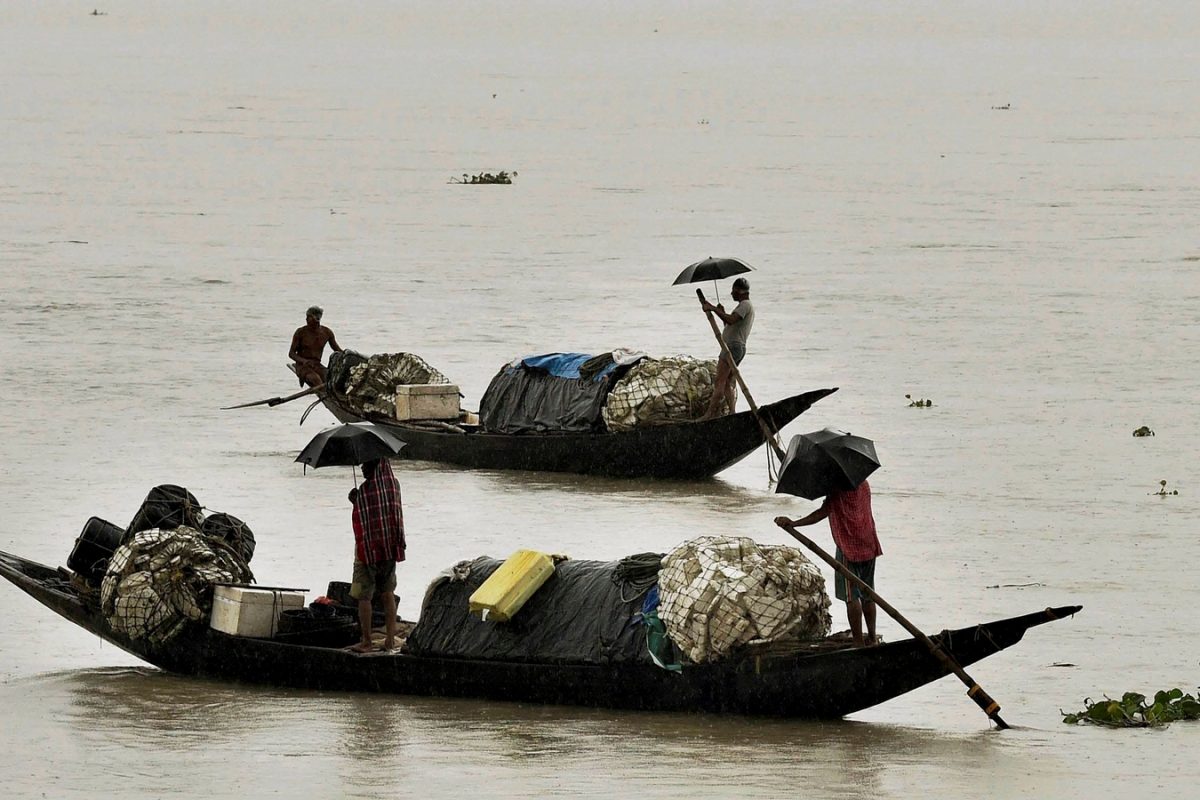
India, Pakistan Swap Prisoner Lists Under 2008 Consular Pact: What This Means Published By, Last Updated: July 01, 2026, 18:03 IST Pakistan and India exchanged biannual prisoner lists under the 2008 Consular Access Agreement, Pakistan reported 715 Indian detainees, including 409 civilians and 306 fishermen Fisherman catching fish during rainfall. (Image Courtesy: PTI/Ashok Bhaumik) Pakistan and India exchanged lists of prisoners held in each other’s custody on Tuesday, under the terms of the 2008 Consular Access Agreement, diplomatic sources confirmed. Pakistan handed over a list of 715 Indian nationals detained in the country. The list includes 409 civilian prisoners and 306 fishermen, according to the sources. In Islamabad, Geetika Srivastava, head of the Indian diplomatic mission in Pakistan, submitted India’s list of Pakistani prisoners to Pakistani authorities.
Saad Warraich, head of Pakistan’s diplomatic mission in India, delivered the list to the Indian government in New Delhi. The exchange forms part of a biannual arrangement under the 2008 agreement, which requires both countries to share prisoner lists twice a year, on 1 January and 1 July. The pact was signed to improve consular access for nationals detained across the border, many of them fishermen held for straying into disputed waters along the Sir Creek estuary and the Arabian Sea. Neither government has released the full lists publicly. The figures shared on Tuesday were confirmed only through diplomatic sources, and neither side has issued an official statement on the exchange. The two countries do not maintain full diplomatic missions in each other’s capitals.
Since 2019, both have operated at the level of chargé d’affaires, with mission heads handling consular functions, including prisoner exchanges, in the absence of ambassadors. Islamabad and New Delhi have periodically used the January and July exchanges to also swap lists of civilian internees and individuals held in each other’s custody for mental health reasons, though Tuesday’s disclosure was limited to the prisoner and fishermen figures. Fishermen form the largest single category of detainees swapped under the agreement in most years, reflecting the frequency with which vessels from both countries cross the maritime boundary near Sir Creek, an area that remains unresolved between the two governments. No date has been announced for the next scheduled exchange, which would fall on 1 January 2027 under the agreement’s biannual cycle.
 The BriefWire