Why Mumbai's roads are full of water, but taps at homes are dry
If irony could fill reservoirs, India's financial capital Mumbai would have enough water for the next three summers. But that's not the case. On one
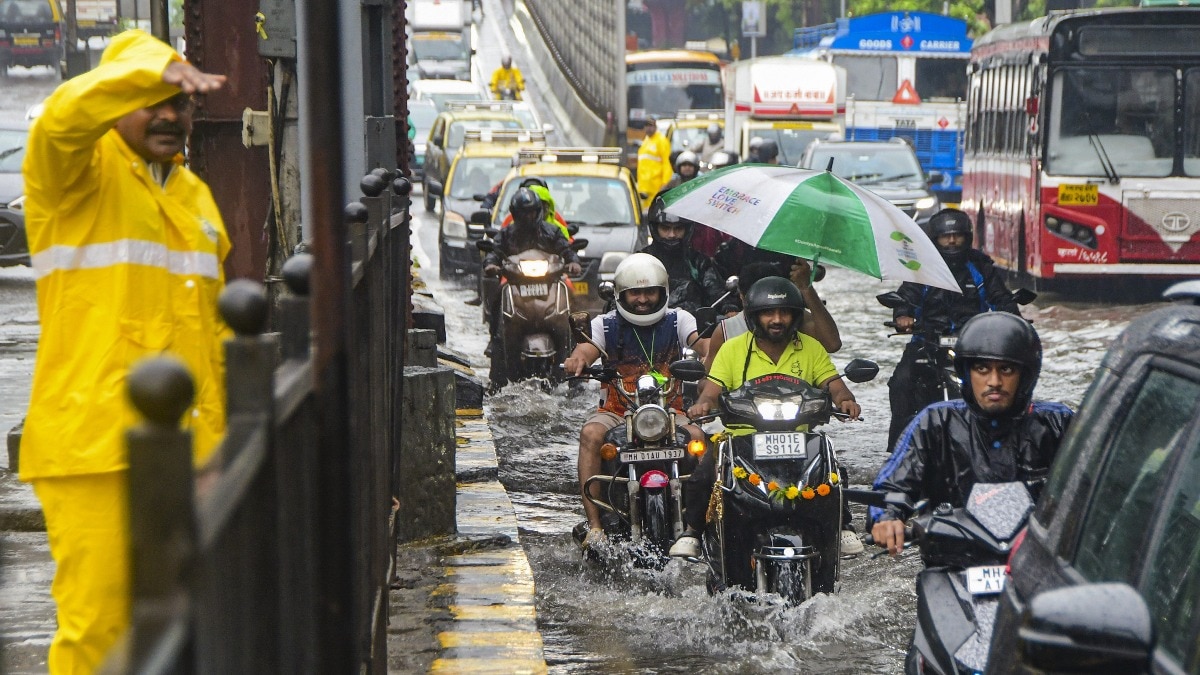
If irony could fill reservoirs, India's financial capital Mumbai would have enough water for the next three summers. But that's not the case. On one hand, motorists in Mumbaikars spent Wednesday morning wading through waterlogged roads to get to their workplaces. The crucial Andheri subway is inundated. Vehicular traffic crawled along the Western Express Highway as several neighbourhoods in Mumbai received over 100 mm of rain in just 24 hours, said officials of the Indian Meterological Department (IMD). Read Full Story But officials in another government department are tracking a more worrying number. The reservoirs and lakes that supply water to Mumbai and keep it hydrated, are holding less than 7% of their live storage (as of June 29). It is perhaps Mumbai's greatest monsoon irony. Mumbai appears to be drowning while simultaneously having to worry about running out of drinking water. These reports are baffling. The explanation of the paradox is in understanding the fact that the rain flooding Mumbai's roads and subways and the water filling the reservoirs that feed the city do not always travel the same path. Mumbai received one of its first intense spells of monsoon rain on Wednesday, with several areas recording more than 100 mm in a day and low-lying stretches going underwater. But, just two days earlier, the Brihanmumbai Municipal Corporation (BMC) reported that the city's seven reservoirs had just 6.93% of their live storage left, compared to 39.5% at the same time in 2025. So, what's behind it? Why are Mumbai's roads full of water? Lakes aren't. A woman escorts a child through rain in Mumbai. (PTI Image) WATER FLOODING MUMBAI IS NOT THE ONE THAT FLOWS IN TAPS Come monsoon, Mumbai reminds the country that flooding and water scarcity can co-exist.
The Mumbai roads that are underwater this week are a result of heavy rainfall in the city. But, the reservoirs that store and supply drinking water depend on a different process to replenish themselves. The seven lakes — Bhatsa, Upper Vaitarna, Modak Sagar, Tansa, Middle Vaitarna, Tulsi and Vihar — collect water over time. Rain feeds their catchments and eventually flows into the reservoirs, according to a PTI report. This process is far slower than the one that floods roads, streets and subways. The filling of these freshwater reservoirs is a gradual process that unfolds over the four-month monsoon. It's not after a single spell of heavy rain that fill up these water bodies. In cities like Mumbai, cloudbursts or prolonged spells of rain can overwhelm storm-water drains, especially if they haven't been desilted, within hours. Reservoirs, on the other hand, require a sustained inflow of water over days and weeks before storage begins to rise substantially. That is why just a day of heavy rain brings up the striking visuals from Mumbai's streets even as the city stares at a potential drinking water scarcity. Mumbai draws its drinking water from seven lakes. They are, Bhatsa, Upper Vaitarna, Modak Sagar, Tansa, Middle Vaitarna, Tulsi and Vihar, and spread across Mumbai, Thane and Nashik districts. WHAT'S BEHIND MUMBAI'S DRINKING WATER CRISIS? The shortage of drinking water gripping Mumbai today is the result of what happened (or rather, what did not happen) through most of June. Yes, it's the monsoon rains. The southwest monsoon usually reaches Mumbai around June 10 after hitting the Kerala coast a week (or weeks) earlier. This year, however, it arrived later than usual. During those weeks, the reservoirs on the outskirts of Mumbai continued supplying nearly 4,000 million litres of water every day.
 The BriefWire