How A Waterway 3,000 Km From Delhi Became The Reason Your CNG, Fuel Bills Spiked
How A Waterway 3,000 Km From Delhi Became The Reason Your CNG, Fuel Bills Spiked Written By, Last Updated: May 26, 2026, 17:26 IST Tucked
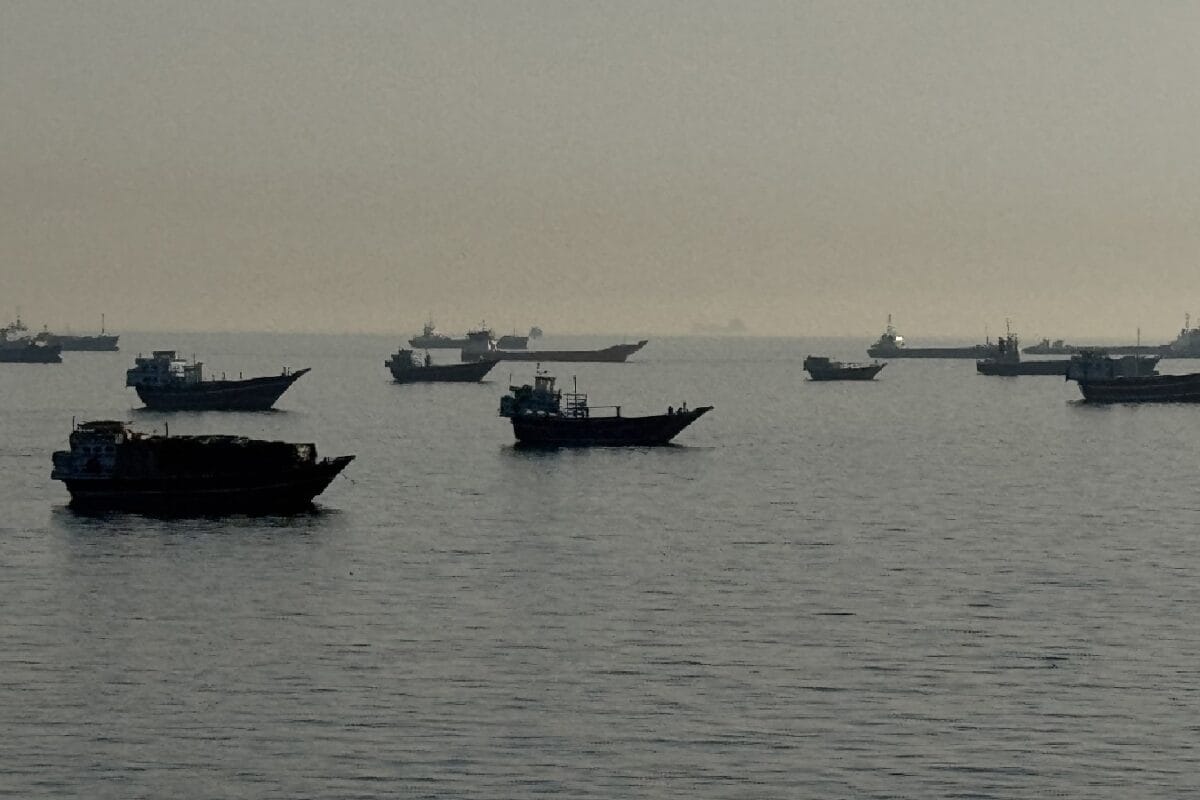
How A Waterway 3,000 Km From Delhi Became The Reason Your CNG, Fuel Bills Spiked Written By, Last Updated: May 26, 2026, 17:26 IST Tucked between Iran, Oman, and the UAE, the 33-kilometre Strait of Hormuz carries nearly 20% of global petroleum and liquid natural gas (LNG) supplies Rapid Read Vessels are seen anchored in the Strait of Hormuz, off the port city of Khasab on Oman’s northern Musandam Peninsula. (IMAGE: AFP) A maritime chokepoint 3,000 kilometres away is directly impacting domestic budgets in Delhi. The recent surge in your compressed natural gas (CNG), petrol, and diesel bills is tied to escalating geopolitical conflicts in West Asia, which have severely disrupted traffic through the Strait of Hormuz. News18 explains. The Strait of Hormuz Tucked between Iran, Oman, and the UAE, this narrow 33-kilometre waterway carries nearly 20% of global petroleum and liquid natural gas (LNG) supplies. When a geopolitical crisis creates a blockade or heightens transit risks here, the economic ripple effects travel directly to Indian fuel pumps. What is the situation in Hormuz? The Strait of Hormuz remains effectively blocked amid a highly volatile geopolitical standoff between Iran, the United States, and Israel. Despite an active ceasefire, recent military clashes, defensive U.S. airstrikes, and delicate diplomatic negotiations have left the vital global energy chokepoint heavily disrupted. The U.S. military recently carried out targeted airstrikes near the strait, destroying two Iranian Islamic Revolutionary Guard Corps (IRGC) vessels caught laying maritime mines, alongside an Iranian surface-to-air missile site in the southern port city of Bandar Abbas.
U.S. officials maintain that these defensive actions do not signify an end to the existing ceasefire, which has been in place since April. However, the regional framework remains severely strained by repeated proxy actions and sporadic exchanges of fire. Project Freedom, the U.S. naval operation initially launched to escort and guide stranded commercial oil tankers safely through the corridor, has been paused while diplomatic channels are explored. Are diplomatic negotiations going on? The Trump administration and Iranian envoys are actively engaged in peace talks, facilitated through Middle Eastern mediators like Qatar and Oman. E CIA Director David Petraeus noted that Iran appears to be in the “process of blinking" as economic pressure mounts. Diplomatic leaks indicate that negotiators are discussing a framework where the Strait of Hormuz would fully reopen to commercial traffic approximately 30 days after a comprehensive peace deal is finalised. Major friction points in the negotiations include Iran’s insistence on keeping a domestic enriched uranium stockpile and its demands to levy permanent tolls on ships passing through the waterway. U.S. Secretary of State Marco Rubio has publicly rejected the concept of an Iranian toll system. What is the global impact? Commercial tanker traffic through the corridor has slowed to a fraction of its normal rate. Major maritime shipping firms and insurers continue to avoid the high-risk zone due to lack of security guarantees, leaving thousands of mariners effectively stranded in the region.
Because the strait normally accommodates roughly 20% of the world’s liquefied natural gas (LNG) and petroleum trade, the ongoing closure has triggered global fuel shocks and structural supply chain concerns, particularly for major Asian buyers like China. Why Hormuz controls Delhi’s fuel rates India imports roughly 88% of its crude oil and over half of its natural gas requirements. Historically, nearly 45% of India’s crude imports and up to 90% of its Liquefied Petroleum Gas (LPG) pass directly through this vulnerable strait. The ongoing conflict and partial blockade have caused Brent crude prices to spike. Even though India actively reroutes what it can, it must still purchase energy at highly inflated international market rates. Higher global oil prices inflate India’s import bill, driving the Indian rupee to record lows against the U.S. dollar. A weaker rupee means Indian oil marketing companies must spend more money to import the exact same quantity of fuel. How have it impacted your fuel prices? Petrol and diesel prices have spiked by nearly ₹7.50 per litre, while CNG prices have jumped by ₹6.00 per kg.State-run oil marketing companies (OMCs) absorbed international price pressures for nearly three months following the initial closure of the Strait of Hormuz on February 28. However, a series of rapid domestic rate revisions were triggered to pass global energy market shocks on to consumers.
KEY FAQs What is Hormuz and why does it matter? The Strait of Hormuz is a key global oil and gas shipping route through which a large share of the world’s energy supplies pass. How does Hormuz affect CNG and fuel prices in India? Any tension or disruption near Hormuz can increase global crude oil and LNG prices, making petrol, diesel, and CNG costlier in India. Why do prices rise so quickly? Fuel markets react fast to geopolitical risks because traders expect possible supply shortages or higher shipping and insurance costs. With agency inputs News18 Newsletter Handpicked stories, in your inbox A newsletter with the best of our journalism submit First Published: May 26, 2026, 13:27 IST News explainers How A Waterway 3,000 Km From Delhi Became The Reason Your CNG, Fuel Bills Spiked Disclaimer: Comments reflect users’ views, not News18’s. Please keep discussions respectful and constructive. Abusive, defamatory, or illegal comments will be removed. News18 may disable any comment at its discretion. By posting, you agree to our Terms of Use and Privacy Policy Loading comments...
 The BriefWire