Greatest reforestation story: Costa Rica lost half its forests, then brought them back
How Costa Rica lost much of its forest cover A turning point that changed the country's future Tree planting was only one part of the
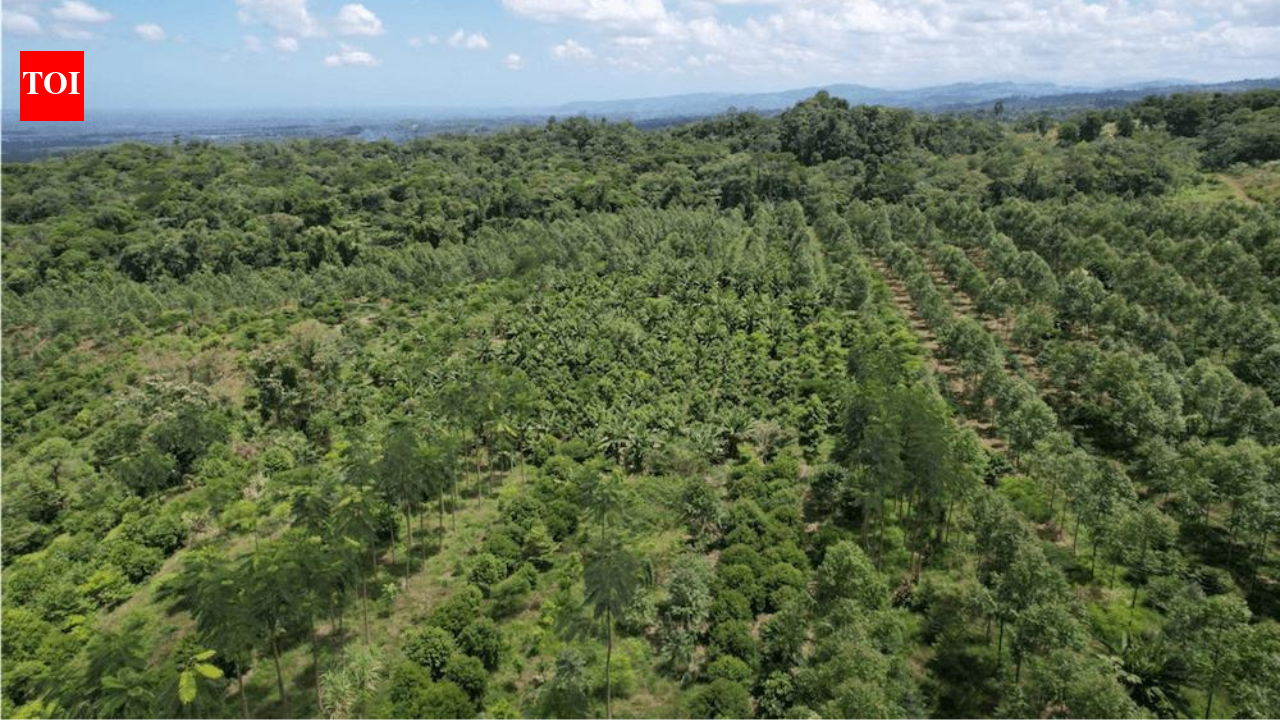
How Costa Rica lost much of its forest cover A turning point that changed the country's future Tree planting was only one part of the recovery parks became the foundation of conservation A small country with extraordinary biodiversity Ecotourism turned forests into an economic asset Forest cover continues to expand Challenges still remain A global blueprint for restoring forests By the 1980s, Costa Rica was facing an environmental crisis that few could have imagined just decades earlier. Once blanketed by lush tropical forests, the Central American nation had lost nearly half of its tree cover as logging, cattle ranching and agricultural expansion rapidly transformed the landscape. Wildlife habitats shrank, biodiversity declined, rivers became increasingly vulnerable to erosion and water quality deteriorated in many regions. Rather than accepting the damage as irreversible, Costa Rica embarked on one of the world's most ambitious conservation efforts. Through a combination of tree planting, forest protection, natural regeneration, financial incentives and forward-looking environmental policies, the country reversed decades of deforestation and emerged as a global model for ecological restoration.For much of the 20th century, Costa Rica's economy depended heavily on agriculture and livestock. Government policies encouraged forests to be cleared for cattle ranches, banana and pineapple plantations, timber production and expanding infrastructure. Forested land was often viewed as unproductive unless it was converted for farming or development. As a result, forest cover declined from roughly 75% of the country's land area in the 1940s to around 21–26% by the late 1980s, making Costa Rica one of the fastest-deforesting countries in Latin America at the time.The loss threatened thousands of native species while increasing soil erosion, flooding and habitat fragmentation.By the late 1980s, scientists, conservationists and policymakers recognised that continued deforestation would jeopardise Costa Rica's biodiversity, water resources and economy.
The government began introducing stricter environmental regulations, strengthened forest protection laws and sustainable land management. One of the most influential initiatives was the Payment for Environmental Services (PES) programme, introduced in 1997. Funded partly through a national fuel tax and international environmental partnerships, the scheme compensates landowners for protecting existing forests, restoring degraded land, planting native trees and preserving watersheds. The programme became one of the first of its kind in the world and has since inspired similar initiatives in several other countries.Although millions of trees have been planted over the past few decades, Costa Rica's remarkable forest recovery was achieved through far more than reforestation projects alone. Large areas of abandoned farmland were allowed to regenerate naturally, enabling native forests to reclaim previously cleared landscapes. Authorities also cracked down on illegal logging, encouraged sustainable forestry practices and supported community-led restoration projects. This combination of active tree planting and natural regeneration helped rebuild healthier, more resilient ecosystems than would have been possible through plantations alone.Costa Rica invested heavily in creating a nationwide network of protected areas that now covers more than a quarter of its land and a significant portion of its surrounding marine territory. parks, biological reserves and wildlife refuges safeguard everything from tropical rainforests and cloud forests to mangroves, wetlands and coral reefs. Iconic destinations such as Corcovado Park, Tortuguero Park, Monteverde Cloud Forest Reserve and Arenal Volcano Park have become internationally recognised for their ecological importance. These protected landscapes not only preserve biodiversity but also provide vital ecosystem services such as clean water, flood control and carbon storage.Despite occupying just about 0.03% of Earth's land surface, Costa Rica is home to an estimated 5–6% of the world's known species, making it one of the most biodiverse countries on the planet.
 The BriefWire