Germany saves forest from mining, US opens land to drilling
Germans have won a fight to keep a coal mine out of an ancient forest. In the US, the government is opening protected lands for
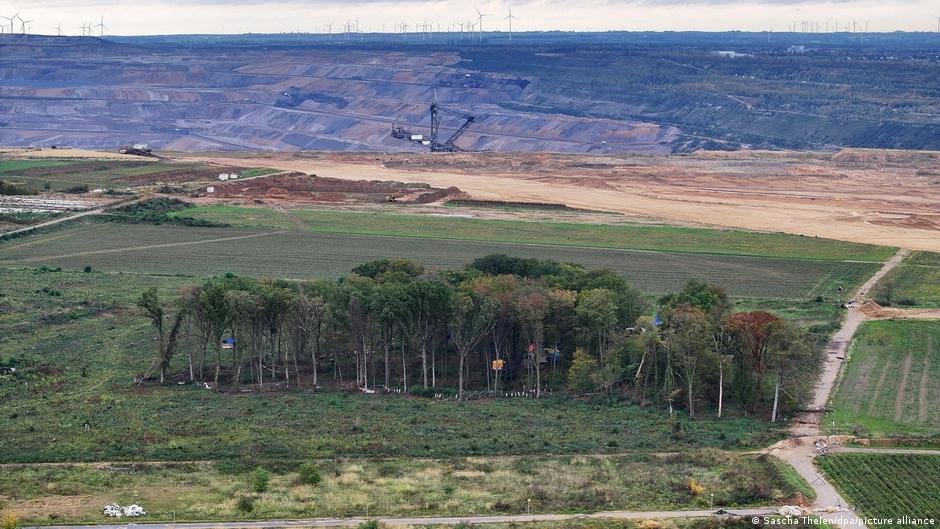
Germans have won a fight to keep a coal mine out of an ancient forest. In the US, the government is opening protected lands for drilling and development. The 12,000-year-old Hambach forest has lived through many eras, but perhaps none as consequential as the last half-century. Locals and environmentalists have been fighting for 50 years to keep the woodland — which sits between the western German towns of Aachen and Cologne — from becoming an open-pit coal mine. At times, protesters occupied the area, living in treehouses among the towering canopies to protect against the threat of chainsaws. Now the fight is finally coming to a close, with about 14% of the original forest still intact. In June, the local government announced the remaining woods will be protected permanently and turned into a nature conservation area. "The climate movement has won the battle," said Dirk Jansen, of BUND, the German branch of the Friends of the Earth environmental group. He spent decades fighting for the forest. A multi-story treehouse built by activists occupying the Hambach Forest Image: David Young/dpa/picture alliance Hambach is one chapter in a much bigger story, as similar clashes between governments, private developers and citizens are playing out around the world — including in the US. There, public lands are being clawed back at an unprecedented rate for oil and gas extraction. "We seem to be moving aggressively in the opposite direction," Lincoln Larsen, who studies outdoor recreation and public lands at North Carolina State University, told DW. How Hambach became a battleground The fight over Hambach began in the mid-1970s when German energy company RWE initiated the permitting process for open-pit lignite mining near the forest. More than 5,200 people were slated for resettlement from adjacent villages, igniting early local resistance over land rights. Environmentalists took up the cause in subsequent years.
The first treehouse occupiers set up camp in 2012, beginning a standoff in which they were intermittently evicted by the authorities. The conflict reached a turning point in October 2018, when more than 50,000 protesters flooded the forest. That same month, Friends of the Earth Germany won a court order halting the clearing. #DailyDrone: Hambach surface mine To view this video please enable JavaScript, and consider upgrading to a web browser that supports HTML5 video The following year, Germany's Coal Commission, made up of energy companies, unions, NGOs, and citizens recommended that Hambach be protected and that Germany begin phasing out coal by 2038. The Hambach mine is scheduled to stop extracting coal by 2029. And just recently, the government and RWE finalized their agreement to protect what is left of the forest. Public lands under threat in the US In the US, these types of fights over public land are commonplace, from copper-nickel mining in Boundary Waters, Minnesota, to oil and gas drilling in New Mexico near sacred Pueblo and Navajo lands. Public lands make up about 30% of the country, roughly 640 million acres (259 million hectares) in total. These range from America's most popular national parks — like Yosemite and Yellowstone — to forests and wildlife refuges. Studies show that US citizens love to spend time outdoors Image: robertharding/picture alliance They came under the control of the federal government via the 1906 Antiquities Act, which allows the president to designate lands for protection. But US president Donald Trump has been attempting to reverse that legacy, shrinking the government's public land portfolio and moving to open protected lands to drilling, mining and private development. "For 100 years, presidents have only been using that to add land to our protected area portfolio. Trump is the first who's actively tried to do the opposite," Larsen said.
 The BriefWire