Fukushima nuclear disaster forced more than 150,000 people to flee and turned towns into ghost towns, but one man went back to save the animals: Meet Naoto Matsumura
Who is Naoto Matsumura, the man who returned after the Fukushima nuclear disaster? What happened during the Fukushima nuclear disaster? Thousands of animals were left
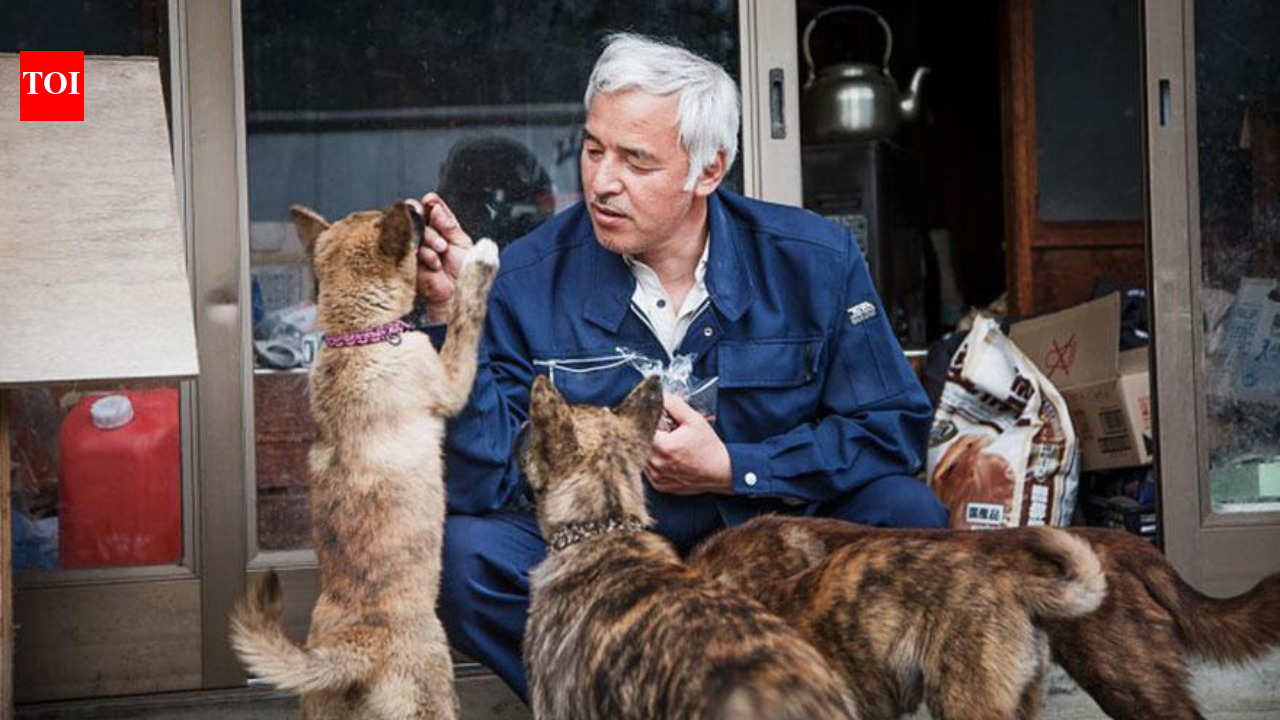
Who is Naoto Matsumura, the man who returned after the Fukushima nuclear disaster? What happened during the Fukushima nuclear disaster? Thousands of animals were left behind A daily mission inside the exclusion zone Was it safe to live in the exclusion zone? Support gradually arrived The legacy of Fukushima's guardian More than 150,000 people were forced to abandon their homes after the Fukushima nuclear disaster struck Japan in March 2011, transforming once-bustling towns into eerie ghost towns almost overnight. Families fled with only the essentials, believing they would soon return, but many never did. In the rush to escape the radiation, thousands of pets and farm animals were left behind with little hope of survival. As days turned into months, they wandered empty streets and deserted farms searching for food and their owners. Amid the devastation, one resident made an extraordinary decision: he returned to the exclusion zone to care for the forgotten animals.Naoto Matsumura is a resident of Tomioka, a town located within the evacuation zone surrounding the Fukushima Daiichi Nuclear Power Plant. Like thousands of others, he initially left after the government ordered residents to evacuate.
However, he soon realised that his own animals, along with thousands of others, had been abandoned. Unable to ignore their suffering, Matsumura returned to the exclusion zone. What began as a mission to care for his own pets soon became a lifelong commitment to helping every animal he could find.On 11 March 2011, a magnitude 9.0 earthquake struck off Japan's north-eastern coast, generating a massive tsunami. Waves reaching more than 14 metres overwhelmed the Fukushima Daiichi Nuclear Power Plant, disabling its cooling systems and causing meltdowns in three reactors. Hydrogen explosions released radioactive material into the surrounding environment, prompting one of the largest evacuations in Japan's history. More than 150,000 residents were ordered to leave their homes, and a 20-kilometre exclusion zone was established around the damaged plant.The emergency evacuation prioritised human lives, leaving little time to rescue pets or transport livestock. Many dogs and cats were trapped inside homes, while cattle, horses, pigs and chickens remained on deserted farms without food or water. Some owners believed they would be allowed back within days, but the prolonged exclusion meant many animals were left to fend for themselves.
 The BriefWire