A plane crashed into a tower in Beijing but China is not saying what happened
It has been four days since a small plane slammed into Beijing's tallest skyscraper, killing the pilot – the only person on board – and
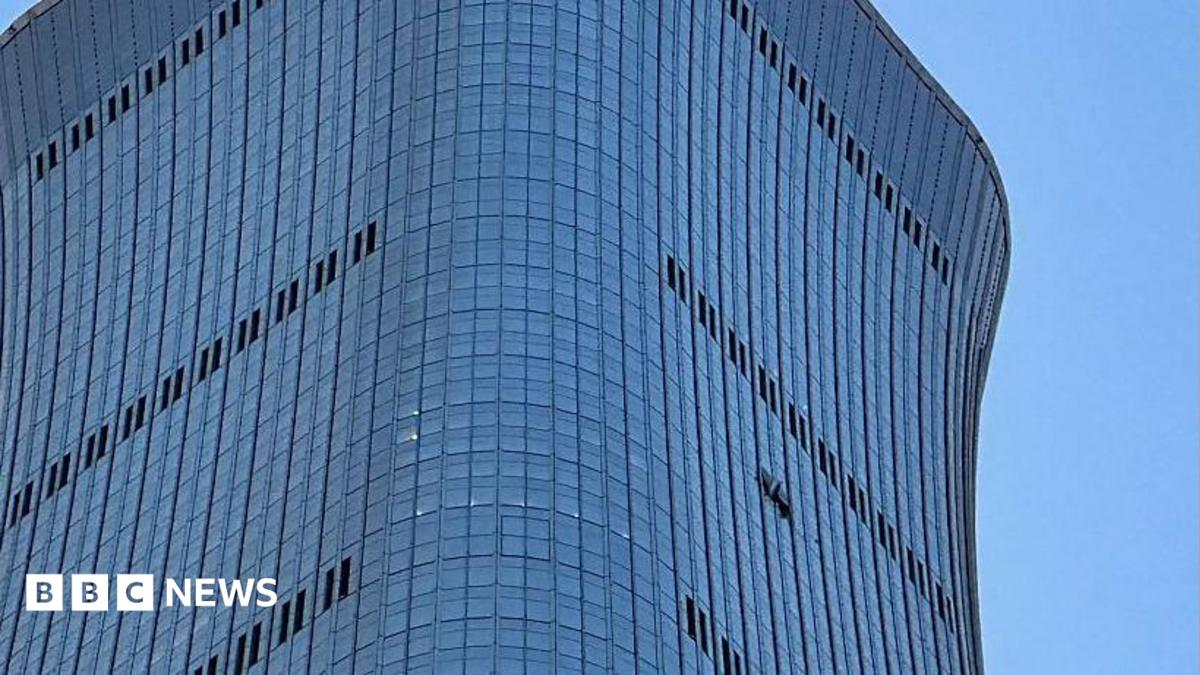
It has been four days since a small plane slammed into Beijing's tallest skyscraper, killing the pilot – the only person on board – and wounding 13 others, but it's still unclear why, and how, that happened. A 60-word report detailing the basic facts in state-owned Beijing Daily is the only official statement China has published so far on the crash, which happened just a few kilometres from Zhongnanhai, the Communist Party's headquarters. Friday's collision left holes on the side of the 109-storey CITIC Tower, which have since been boarded up.
Dramatic footage of the incident has been scrubbed off the internet. At least three aviation firms tell the BBC they've been told to suspend light aircraft operations but declined to elaborate, saying they had been instructed not to discuss it. Amid the information vacuum, speculation is mounting as to how the aircraft managed to penetrate a city which has some of the world's strictest airspace controls. China is no stranger to censorship. Criticism of the party, the country's leaders or the government is rare, and any discussions that seem critical, have political implications or touch upon sensitive issues quickly disappear.
But this time it has gone well beyond the obvious targets. Photographs and memes of the skyscraper, which are unrelated to Friday's incident, have also been removed from Chinese social media platforms. Shaped like a Chinese wine vessel, the building is a local crowd-puller. Many see it as a lucky charm and young people wishing for good fortune, from exam results to jobs, either stop by or share photos of it online, along with a quick prayer. The censorship machinery kicked in so quickly and thoroughly this time possibly because Beijing's leadership is "still not exactly sure what happened", says Manya Koetse, who runs the Eye on Digital China newsletter.
"This is a highly unusual incident," she says, adding that it calls into question government competence and threatens "important party narratives".
 The BriefWire