Need for inclusive, integrated climate action
As Karnataka welcomes a new Minister for Urban Development, there is an opportunity to rethink what makes a city healthy, resilient, and equitable. Much of
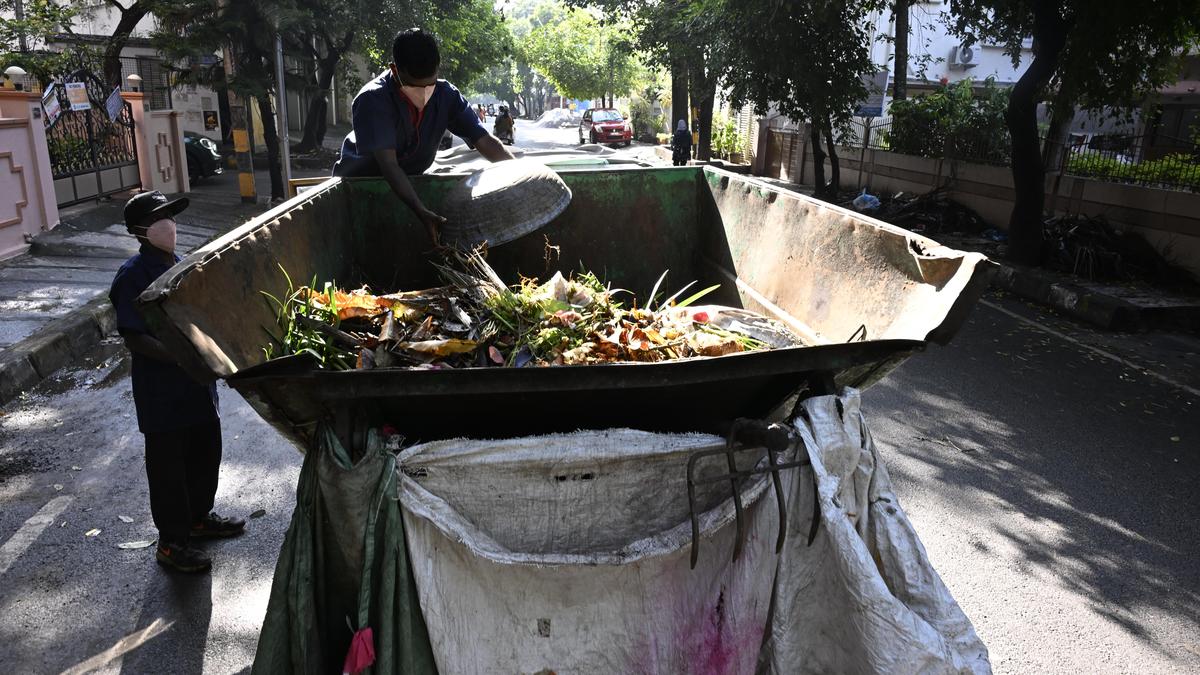
As Karnataka welcomes a new Minister for Urban Development, there is an opportunity to rethink what makes a city healthy, resilient, and equitable. Much of the public conversation around urban development tends to focus on infrastructure and technology-driven solutions. Yet the true measure of a city’s development lies elsewhere: in how its systems support the health and well-being of the people who keep the city functioning. Among these are sanitation workers, street sweepers, waste collectors, drain cleaners, and others who perform essential services that sustain urban life. Their experiences offer a powerful lens through which to understand urban systems, particularly in an era of climate change. Climate change is often discussed in terms of rising temperatures and environmental degradation. But these impacts are not experienced equally. They are filtered through housing conditions, employment arrangements, access to healthcare, social protection, and public infrastructure. In other words, climate change is also an urban governance challenge. Unequal experiences Across Karnataka’s cities, sanitation workers spend long hours outdoors. As heatwaves become more frequent and intense, exposure to extreme heat is no longer an occasional occupational hazard but a routine reality. Heat stress can lead to dehydration, exhaustion, kidney-related illnesses, cardiovascular complications, and reduced productivity.
Moreover, a significant proportion of sanitation workers live in informal settlements where access to basic services remains uneven. Overcrowded housing, poor ventilation, inadequate water supply, and limited green cover amplify exposure to heat. During periods of extreme weather, residents may struggle to secure sufficient water for drinking and cooling, while inadequate drainage can increase vulnerability to flooding and disease outbreaks. The result is a double burden: workers are exposed to climate risks both at work and at home. What does this say about the health of our cities? Traditionally, public health indicators focus on disease prevalence, mortality, or service coverage. While these remain important, they often fail to capture how urban systems function in practice. A city may have healthcare facilities, social welfare schemes, and climate action plans on paper, but whether these systems reach those who need them the most is another matter. Sanitation workers provide a useful barometer of urban system performance because they sit at the intersection of multiple systems. Their experiences are shaped by municipal governance, labour arrangements, housing conditions, environmental infrastructure, healthcare access, and social protection policies. Consider healthcare access. Many Indian cities have expanded urban primary healthcare services in recent years.
 The BriefWire