Made In 1868, Defended In 2026: The US Constitutional Guarantee That Blocked Trump's Citizenship Push
Made In 1868, Defended In 2026: The US Constitutional Guarantee That Blocked Trump's Citizenship Push Published By, Last Updated: June 30, 2026, 20:40 IST Trump's
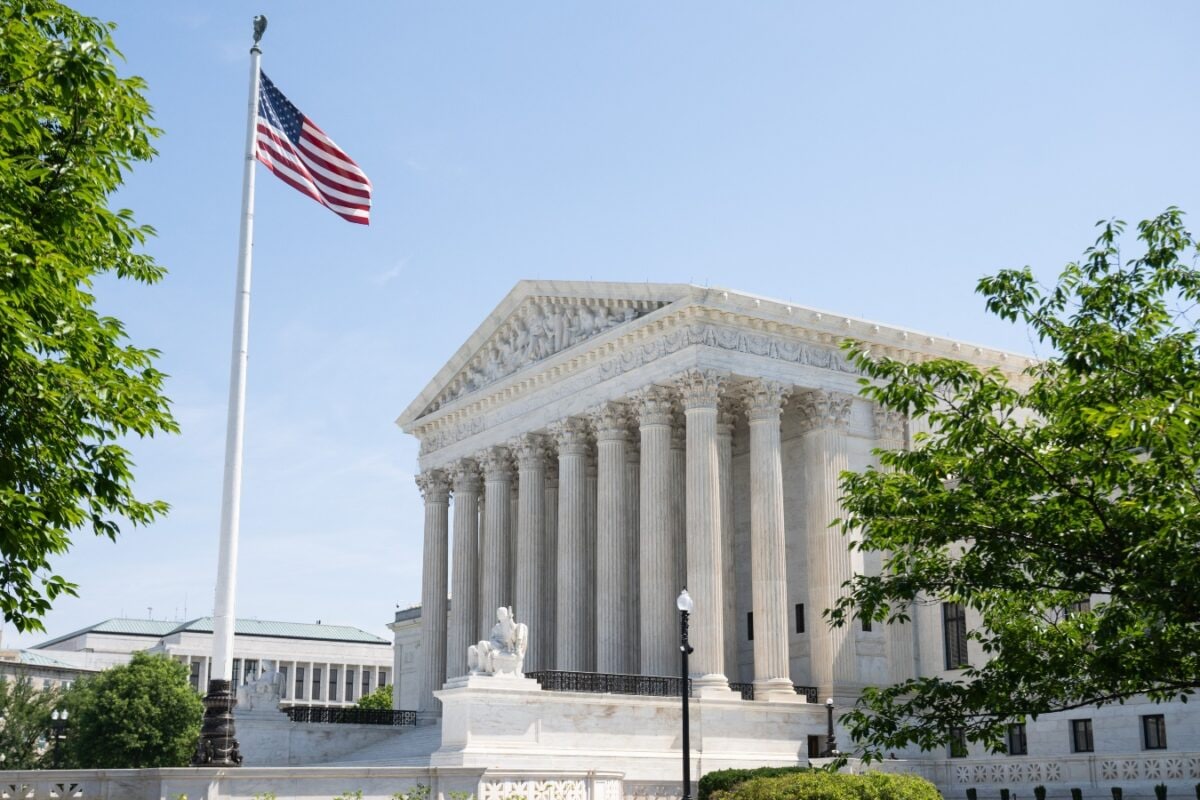
Made In 1868, Defended In 2026: The US Constitutional Guarantee That Blocked Trump's Citizenship Push Published By, Last Updated: June 30, 2026, 20:40 IST Trump's order was aimed at denying automatic citizenship to children born in the US if their parents were either living in the country illegally or were present on temporary visas. The US Supreme Court preserved a legal principle that has guided American citizenship law since the Reconstruction era. (AFP photo) The US Supreme Court’s decision to block President Donald Trump’s effort to restrict birthright citizenship reaffirmed a constitutional safeguard that has existed for more than 150 years. The dispute centred on the Citizenship Clause of the 14th Amendment, adopted in 1868 after the Civil War. It declares that “all persons born or naturalized in the United States, and subject to the jurisdiction thereof, are citizens of the United States." The amendment was enacted to ensure citizenship for formerly enslaved people and to overturn the 1857 Dred Scott decision, which had denied Black Americans that right.
14th Amendment At The Centre For generations, the provision has been interpreted to grant automatic US citizenship to nearly everyone born on American soil, irrespective of their parents’ immigration status. That interpretation was firmly established in 1898 through the landmark Supreme Court case ‘United States v. Wong Kim Ark. The court ruled that Wong Kim Ark, who was born in San Francisco to Chinese immigrant parents, was a US citizen because he was born in the United States. Trump sought to challenge that longstanding understanding through an executive order signed on the first day of his second term in January 2025. The order aimed to deny automatic citizenship to children born in the US if their parents were either living in the country illegally or were present on temporary visas. Historic 1898 Precedent Upheld The administration argued that the constitutional phrase “subject to the jurisdiction thereof" should not apply universally and had been interpreted too broadly over the years.
Those challenging the order maintained that it was inconsistent with both the Constitution and decades of Supreme Court precedent. By rejecting the order, the Supreme Court preserved a legal principle that has guided American citizenship law since the Reconstruction era. The ruling also highlights the limits of presidential authority, signalling that changing a constitutional right as fundamental as birthright citizenship would require far more than an executive order. News18 Newsletter Handpicked stories, in your inbox A newsletter with the best of our journalism submit About the Author News Desk The News Desk is a team of passionate editors and writers who break and analyse the most important events unfolding in India and abroad. From live updates to exclusive reports to in-depth explainers,... Read More Location: Washington D.C., United States of America (USA) First Published: June 30, 2026, 20:40 IST News world Made In 1868, Defended In 2026: The US Constitutional Guarantee That Blocked Trump's Citizenship Push Disclaimer: Comments reflect users’ views, not News18’s.
 The BriefWire