US Top Court To Decide Fate Of Trump's Birthright Citizenship Policy: All You Need To Know
US Top Court To Decide Fate Of Trump's Birthright Citizenship Policy: All You Need To Know Published By, Last Updated: June 30, 2026, 19:18 IST
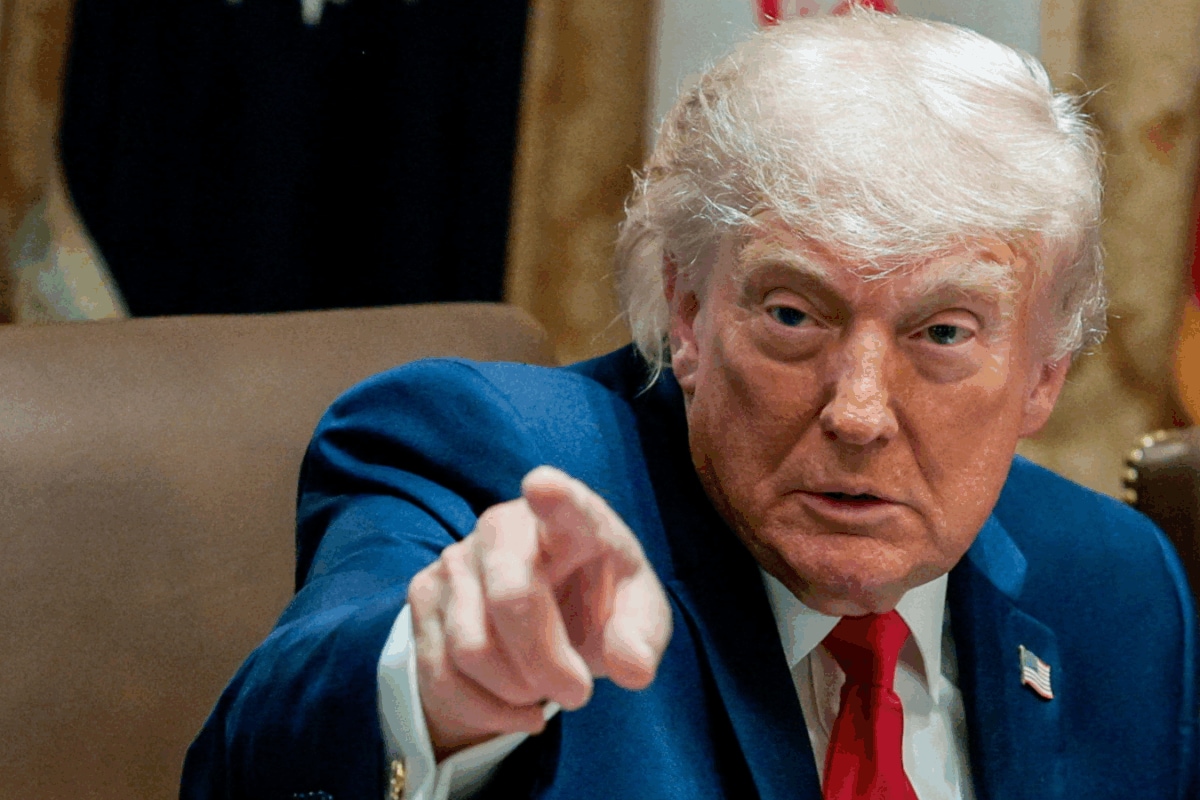
US Top Court To Decide Fate Of Trump's Birthright Citizenship Policy: All You Need To Know Published By, Last Updated: June 30, 2026, 19:18 IST Earlier, a lower court in the US had blocked the policy, prompting the administration to take the matter to the Supreme Court. File image of US President Donald Trump. (Source: Reuters) The US Supreme Court is set to deliver a closely watched ruling on Tuesday on President Donald Trump’s executive order seeking to limit birthright citizenship, a key pillar of his immigration agenda. The order directs federal agencies to deny automatic US citizenship to children born in the country if neither parent is an American citizen nor a lawful permanent resident. However, a lower court blocked the policy, prompting the administration to take the matter to the Supreme Court.
The decision is expected on the final day of the court’s current term. US Administration Challenges Citizenship Scope The legal dispute centres on the Citizenship Clause of the 14th Amendment, which states: “All persons born or naturalized in the United States, and subject to the jurisdiction thereof, are citizens of the United States and of the state wherein they reside." Opponents argue that the Constitution has long guaranteed citizenship to nearly everyone born on US soil, with limited exceptions such as children of foreign diplomats. They contend Trump’s order conflicts with this longstanding interpretation. The administration, however, maintains that the phrase “subject to the jurisdiction thereof" does not automatically apply to children of immigrants who are in the country illegally or those staying temporarily, such as students or workers on visas.
It argues that citizenship should be reserved for children whose parents’ “primary allegiance" is to the United States, based on “lawful domicile," defined as “lawful, permanent residence within a nation, with intent to remain." Ruling Could Affect Thousands Of Newborns The challenge before the court stems from a class-action lawsuit filed in New Hampshire by parents and children who say the order threatens their citizenship rights. Legal experts have warned that, if implemented, the policy could affect the status of roughly 250,000 babies born in the United States each year and require many families to prove their newborns’ eligibility for citizenship. News18 Newsletter Handpicked stories, in your inbox A newsletter with the best of our journalism submit About the Author Manisha Roy Manisha Roy is a Senior Sub-Editor at News18.com's general desk.
 The BriefWire