Poor Construction Or Science? Why 40°C Damages European Roads While India's Survive 45°C And Beyond
Poor Construction Or Science? Why 40°C Damages European Roads While India's Survive 45°C And Beyond Published By, Last Updated: June 30, 2026, 17:33 IST The
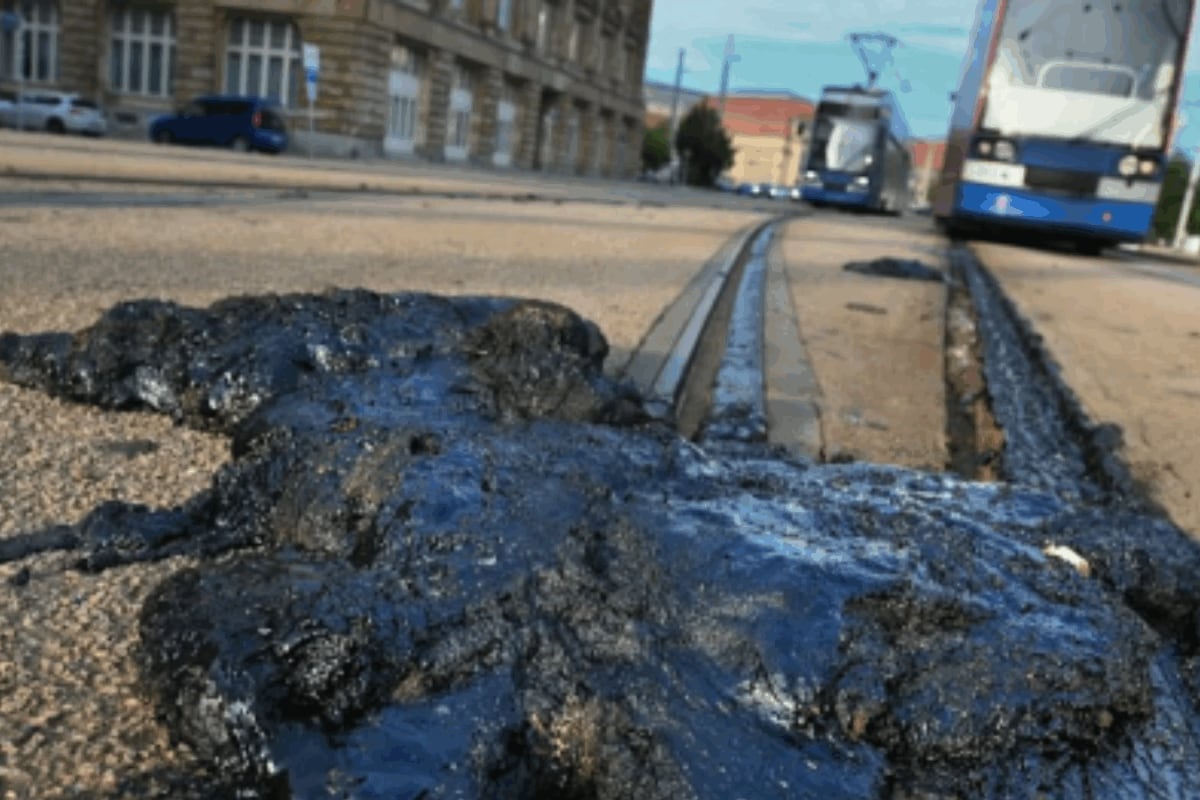
Poor Construction Or Science? Why 40°C Damages European Roads While India's Survive 45°C And Beyond Published By, Last Updated: June 30, 2026, 17:33 IST The contrast between Europe and India highlights how infrastructure is tailored to regional weather patterns. Rapid Read Roads have reportedly melted in parts of Europe amid record temperatures. (Image: X) As Europe continues to grapple with an intense heatwave, reports of roads softening and even melting in parts of the UK have raised questions, particularly in India, where summer temperatures often exceed 45°C without widespread road failures. The key difference lies in how roads are engineered for local climates rather than in construction quality. Why Roads Are Melting In Europe?
Roads across Europe, including the UK, are designed to endure long, freezing winters. To cope with repeated freeze-thaw cycles, engineers use asphalt mixes containing softer grades of bitumen. This material remains flexible in cold weather, reducing the risk of cracks when temperatures fall below freezing. However, the same flexibility becomes a disadvantage during unusually hot weather. When temperatures approach or exceed 40°C, the bitumen can soften, making road surfaces more vulnerable to deformation under the weight of vehicles. Why Indian Roads Withstand Extreme Heat Whereas the roads in India are built with an entirely different challenge in mind: prolonged and intense summer heat. In India, road contractors typically use harder VG-grade bitumen, such as VG-30 and VG-40, along with asphalt mixes that contain larger aggregates.
These materials are specifically chosen for their ability to retain strength at high temperatures, limiting softening even during severe heatwaves. The higher viscosity of the bitumen used in India also helps roads withstand constant heavy traffic without developing ruts or surface distortions. As a result, roads are better equipped to perform even when temperatures climb well above 45°C. The contrast between Europe and India highlights how infrastructure is tailored to regional weather patterns. European roads prioritise flexibility to survive harsh winters, while Indian roads emphasise heat resistance to cope with extreme summers. Consequently, temperatures that are considered exceptional in parts of Europe can cause road surfaces to soften, whereas similar—or even higher—temperatures are routinely handled by roads designed for India’s climate.
 The BriefWire