E20 Fuel Still An Experiment? Centre Makes Big Admission About Ethanol Policy Before Supreme Court
E20 Fuel Still An Experiment? Centre Makes Big Admission About Ethanol Policy Before Supreme Court Written By, Last Updated: June 30, 2026, 16:57 IST The
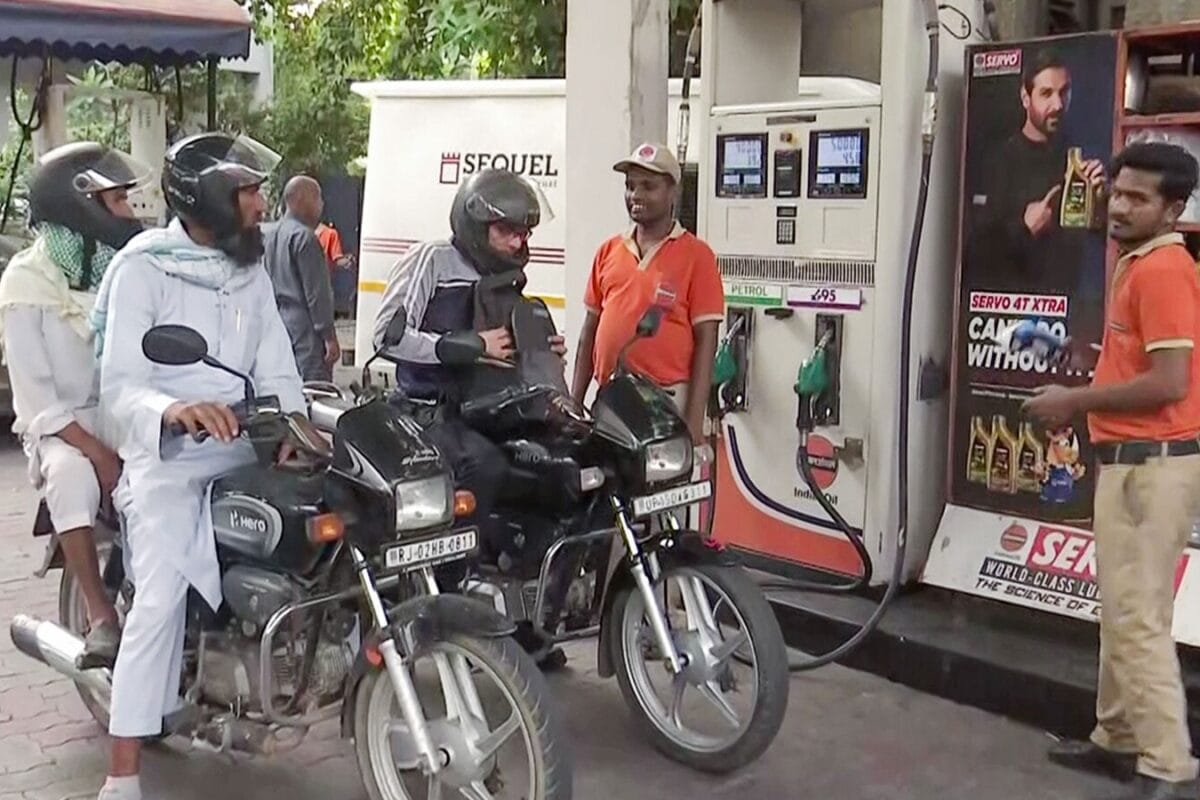
E20 Fuel Still An Experiment? Centre Makes Big Admission About Ethanol Policy Before Supreme Court Written By, Last Updated: June 30, 2026, 16:57 IST The Centre told the SC that the current E20 rollout is still being actively evaluated, offering a timeline for a clearer picture of the policy's nationwide impact Many vehicle owners, particularly those holding older, non-compliant models manufactured before the mandatory April 2023 material standards, fear that increased ethanol content could erode fuel lines and reduce mileage. (Representational image/ANI) The central government has informed the Supreme Court that India’s ambitious 20 per cent ethanol blending programme, widely known as E20, remains an ongoing experiment with comprehensive performance results expected to emerge by next year. Appearing before the apex court on Tuesday, Attorney General R Venkataramani clarified that the current rollout is still being actively evaluated, offering a timeline for a clearer picture of the policy’s nationwide impact.
The submission comes at a crucial juncture as public debate intensifies regarding the long-term effects of higher ethanol concentrations on vehicle engines and overall fuel efficiency. Safeguarding Policy Against Supply Gridlocks The Centre’s remarks were made during a high-stakes hearing involving Bharat Petroleum Corporation Limited, which approached the top court to challenge a Karnataka High Court directive concerning ethanol supply allocations for the 2025–26 supply year. The state-owned oil marketing company argued that modifying individual distillery quotas at this stage could severely destabilise the national supply chain and jeopardise the implementation of the E20 timeline. Validating these structural anxieties, the Attorney General emphasised that because nationwide supply contracts were already finalised in October 2025, reopening closed tenders could trigger multi-state litigations and delay the broader energy transition. In response, the Supreme Court ordered a status quo on the regional directive, protecting the structural integrity of the national policy. Balancing Strategic Savings with Consumer Apprehensions While the legal battle highlights logistics, the wider consumer discourse is firmly focused on mechanical compatibility.
Many vehicle owners, particularly those holding older, non-compliant models manufactured before the mandatory April 2023 material standards, fear that increased ethanol content could erode fuel lines and reduce mileage. Addressing these concerns, the Union Ministry of Petroleum and Natural Gas recently mounted a strong defence of the initiative, reiterating that the programme is scientifically validated and that there is no verified evidence linking E20 fuel to widespread mechanical failures or engine degradation. From a macroeconomic standpoint, the transition represents a massive success for India’s fiscal health. The phased escalation of the green energy push has already saved the exchequer over 1.4 lakh crore rupees in foreign exchange by curbing expensive crude oil imports. Even as the government treats the current 20 per cent benchmark as a closely monitored phase to gather definitive consumer data by next year, the ultimate roadmap remains unchanged, with initial frameworks already targeting an increase to 30 per cent blending by 2030.
 The BriefWire