'We're Not Part Of Pakistan': PoK Protesters Warn Of 'Other Roads' As Revolt Intensifies
'We're Not Part Of Pakistan': PoK Protesters Warn Of 'Other Roads' As Revolt Intensifies Reported By, Last Updated: June 30, 2026, 16:21 IST The remarks
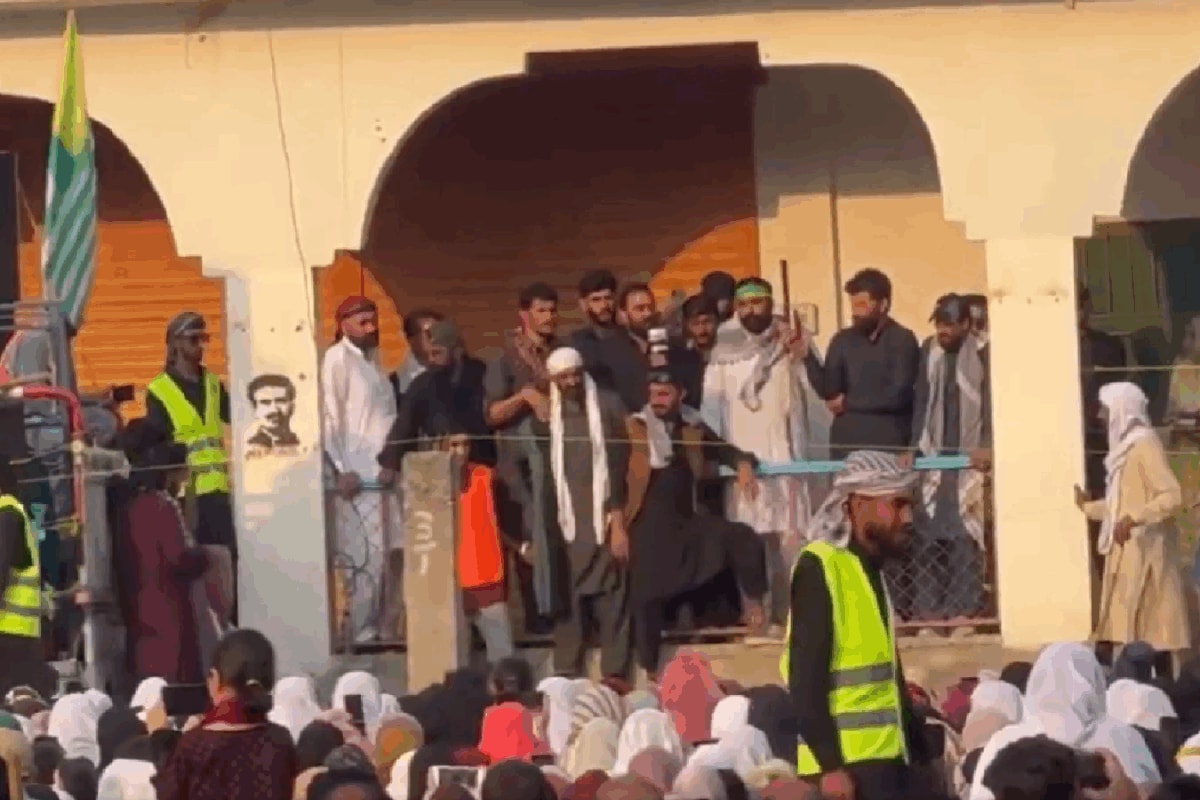
'We're Not Part Of Pakistan': PoK Protesters Warn Of 'Other Roads' As Revolt Intensifies Reported By, Last Updated: June 30, 2026, 16:21 IST The remarks, made during the continuing agitation in PoK’s Rawalakot’s Eidgah Ground, reflected growing public anger over Pakistan. Rapid Read The remarks came days after Pakistan Defence Minister Khawaja Asif said residents of Rawalakot and Mirpur were "not proper Kashmiris". (IMAGE: SOURCED) Pakistan-occupied Kashmir’s (PoK) anti-government uprising took a dramatic turn on Tuesday after protesters publicly declared that the region “is not a part of Pakistan" and warned they would seek “other roads" if Islamabad continued to choke the flow of essential food supplies into the region. The remarks, made during the continuing agitation in PoK’s Rawalakot’s Eidgah Ground, reflected growing public anger over what demonstrators described as a prolonged disruption in the movement of rations and other basic necessities.
Several protesters accused the Pakistani government of collectively punishing civilians. “We don’t need your rations. You need us," PoK leader Sardar Aman Khan said, warning that if supplies remained blocked, residents would be forced to explore “other roads" to secure their survival. The protests come against the backdrop of an ongoing agitation led by the Jammu Kashmir Awami Action Committee (JAAC), which has continued despite Pakistani authorities banning the organisation under anti-terrorism laws earlier this month. The reaction appeared to be a direct response to Pakistan Defence Minister Khawaja Asif’s recent remarks in which he said residents of Rawalakot and Mirpur were “not proper Kashmiris". The comments triggered sharp criticism across Pakistan-occupied Kashmir and further exposed the widening rift between Islamabad and sections of the region’s political leadership. People familiar with developments in the region alleged that Islamabad has sought to frame what began as an economic and governance movement as a security threat.
According to these sources, the prolonged disruption of food supplies has become a flashpoint, with residents accusing the administration of using restrictions on essential commodities to weaken the movement. The sources further alleged that activists, including Sardar Aman Khan, and members of the Awami Action Committee have been booked under anti-terror provisions, creating what they described as a legal basis for arrests and a broader crackdown on demonstrators demanding lower prices, better governance and uninterrupted access to essential supplies. The latest developments come amid reports that internet services have remained restricted across parts of the region since early June, with protesters alleging that the communication curbs are intended to prevent images and videos of the agitation from reaching the outside world. The unrest has also disrupted everyday life across parts of Pakistan-occupied Kashmir (PoK). A nearly two-week standoff between protesters and security forces has led to food shortages, while local officials say at least 22 people have died during the clashes.
 The BriefWire